Entertainment
“Have Money in Nigeria and You’ll Live Like a King”: IJGB’s Viral Take on Why Naija Beats the UK Sparks Online Firestorm
A Nigerian man recently returned from the United Kingdom has ignited a fierce and emotional conversation online after declaring that Nigeria offers a better lifestyle than the UK, particularly for those with money. The abroad-based Nigerian, popularly referred to as an IJGB — an acronym for “I Just Got Back” — made the bold claim in a now-viral video that has continued to trend across social media platforms, drawing admiration, criticism, and deep reflection from Nigerians at home and in the diaspora.
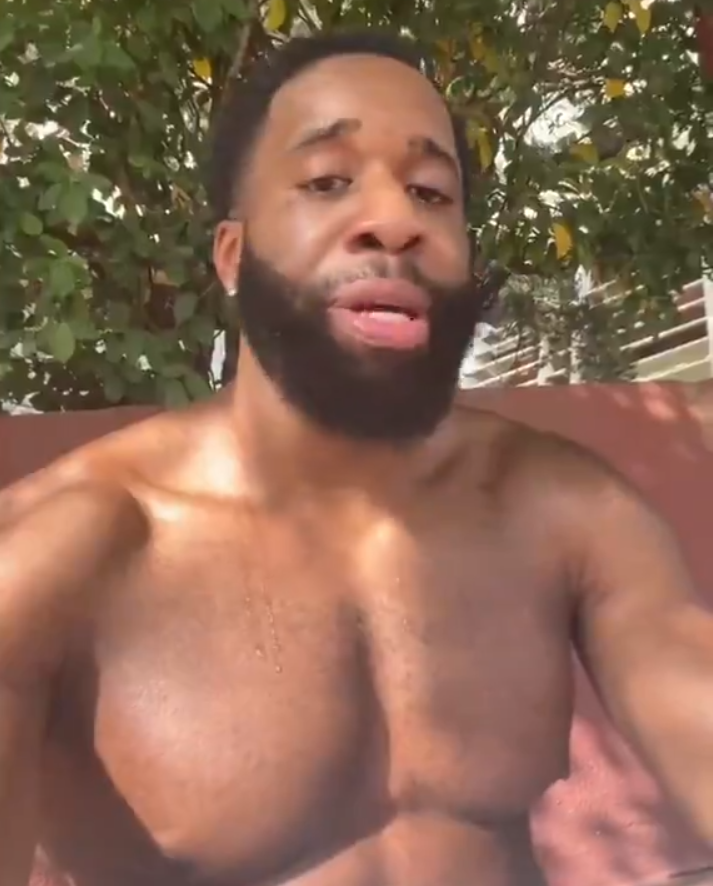
The video, shared on X (formerly Twitter) by user @AsakyGRN, captures the visibly excited man struggling to contain his amazement as he described his recent experience in Nigeria. According to him, the level of comfort, attention, and enjoyment he experienced during his stay was almost unbelievable, so much so that fully explaining it could “land him in big, big trouble.” His choice of words immediately hinted at the indulgent lifestyle often associated with financial comfort in Nigeria, a topic that many Nigerians quietly acknowledge but rarely discuss openly.
In the clip, the IJGB praised Nigeria’s hospitality, social life, and overall atmosphere, insisting that the country offers everything people travel abroad to seek, and even more. He spoke passionately about being treated like royalty everywhere he went, from how people greeted him to the quality of service he received. With infectious enthusiasm, he dismissed the long-held belief that London or other Western cities represent the peak of a good life, arguing instead that Nigeria delivers a superior experience when money is not a problem.
“This is not a real place,” he said in disbelief. “People that think London is where it’s at, Nigeria has everything you need. People greet me like I’m a king. The girls here are beautiful. They have everything you need.” His words painted a picture of a country rich in social warmth, human connection, and indulgent comfort, qualities many Nigerians feel are lacking in colder, more structured Western societies.
The IJGB went further to stress that financial comfort completely transforms life in Nigeria. According to him, anyone with money is guaranteed access to top-tier entertainment, premium hospitality, personal convenience, and a sense of importance that is difficult to replicate abroad. In his view, wealth in Nigeria does not just buy comfort; it buys status, visibility, and an elevated social experience that makes everyday life feel special.
He also questioned why many Nigerians are desperate to relocate overseas, suggesting that what people seek in the UK — better living conditions, enjoyment, and fulfillment — already exists in Nigeria for those who can afford it. This particular statement struck a nerve, as migration remains a deeply emotional topic in Nigeria, driven by economic hardship, insecurity, unemployment, and the search for stability.
Reflecting on his short visit, the man revealed that even if he returned to London immediately, he would do so as a happy man because of how much he enjoyed just three days in Nigeria. The comment underscored how impactful his experience was, despite its brief duration, and added to the growing perception that Nigeria offers an unmatched lifestyle for the financially comfortable.
As expected, his comments triggered a flood of reactions online, splitting opinions sharply down the middle. Many Nigerians agreed wholeheartedly with his sentiments, arguing that Nigeria is indeed “sweet” when money is involved. One user wrote, “No lie, Naija is sweet when you have money,” echoing a popular street sentiment that has become almost a proverb. Another added, “No matter how comfortable I am in the diaspora, Naija is where I’ll always come back to when I’m doing well,” reinforcing the idea that Nigeria remains home at heart for many Nigerians abroad.
Others, however, were quick to point out what they described as the “other side” of the story. Critics argued that the IJGB’s experience was a privileged one, not reflective of the daily struggles faced by the average Nigerian. They noted that issues such as unstable electricity, poor healthcare, rising inflation, insecurity, and weak infrastructure continue to make life difficult for millions. To them, the argument was not that Nigeria lacks enjoyment, but that enjoyment is often reserved for those with significant financial power.
Some commentators accused the IJGB of romanticizing Nigeria while ignoring the structural challenges that push people to leave in the first place. They argued that while money can buy comfort anywhere, countries like the UK offer systems that work for both the rich and the poor, whereas Nigeria’s quality of life is heavily dependent on personal wealth. For these critics, the debate was not about enjoyment, but about dignity, stability, and long-term security.
Still, the video tapped into a deeper, ongoing conversation about identity, migration, and the meaning of a good life. For many Nigerians in the diaspora, visits back home often come with mixed emotions — joy, nostalgia, relief, and sometimes guilt. The IJGB’s excitement reflected a common feeling among returnees who, after enduring years of high living costs, social isolation, and relentless work schedules abroad, rediscover the warmth, vibrancy, and human connection that Nigeria offers.
The phrase “Have money in Nigeria and you’ll live like a king” has long circulated quietly in conversations, but the IJGB’s viral declaration brought it to the forefront of public discourse once again. It highlighted the stark contrast between survival abroad and indulgence at home, and forced many Nigerians to confront uncomfortable truths about class, privilege, and inequality.
Ultimately, the viral moment has become more than just a trending clip; it is a mirror reflecting Nigeria’s contradictions. A country capable of offering extraordinary luxury and joy, yet burdened by systemic challenges that make such experiences inaccessible to many. Whether one agrees with the IJGB or not, his words have reignited a national conversation about what home means, what success looks like, and whether fulfillment is found in systems that work or in places that feel alive.
As reactions continue to pour in, one thing remains clear: Nigeria, with all its flaws and magic, still holds a powerful grip on the hearts of its people — at home and abroad. And for better or worse, the debate over where life is truly better is far from settled.
“Nigeria is where I need to be, forget about the UK” — IJGB man says as he shares his experience since arriving back home for Detty December pic.twitter.com/iIV9VoiWSR
— Instablog9ja (@instablog9ja) December 14, 2025
Twitter Post
Visit websitePopular Posts

“A Ticking Time Bomb”: Dotun’s Blunt Warning Sparks Fresh Debate After Peller’s Car Crash Drama
15 Dec, 2025
FRSC Warns Celebrities as TikToker Peller Faces Prosecution Over Road Crash
15 Dec, 2025
19-Year-Old Girl Allegedly Stabs Boyfriend to Death During Infidelity Fight in Ogun State
15 Dec, 2025Scroll to Top