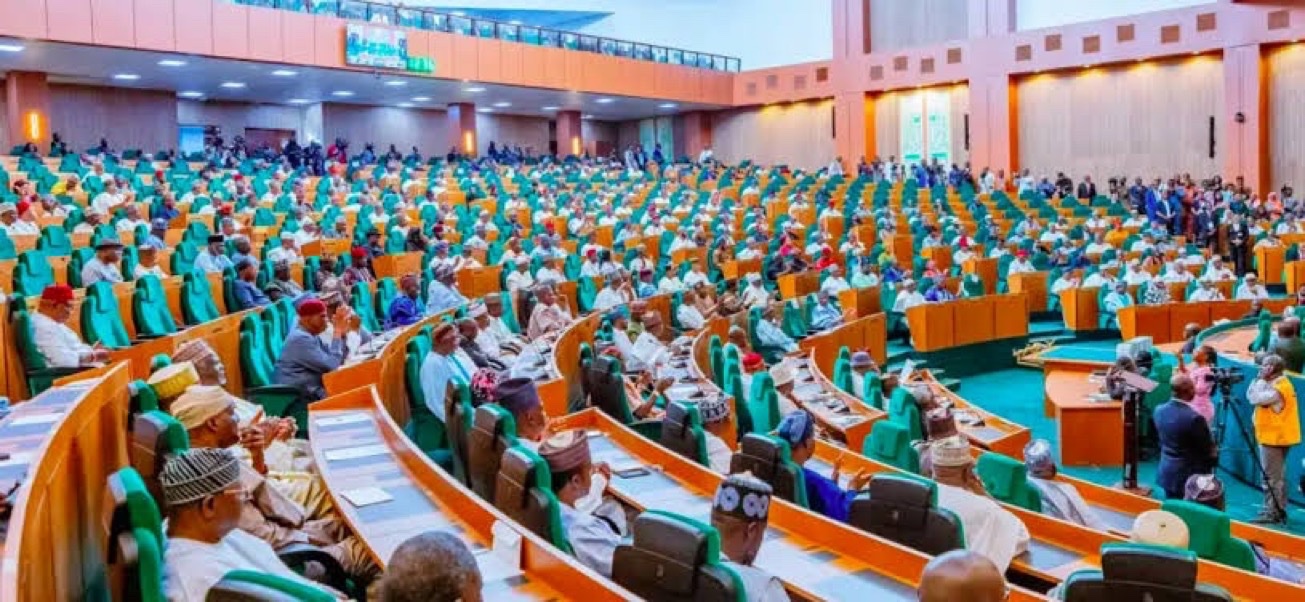
In a move that has generated significant attention and debate across Nigeria, the House of Representatives has introduced a bill proposing a daily wage of N3,500 for unskilled laborers. Lawmakers say the bill is aimed at addressing longstanding issues of poverty, unemployment, and underdevelopment in rural communities, particularly those that depend on agriculture and other forms of manual labor for survival. The proposed legislation, which is being championed by members of the Committee on Rural Development, seeks to provide financial stability for workers often excluded from formal employment structures and social protection schemes.
According to sources within the National Assembly, the bill is framed as part of a broader effort to promote sustainable rural development, ensure economic inclusivity, and enhance the overall standard of living in Nigeria's less urbanized regions. For decades, rural communities in Nigeria have grappled with challenges ranging from low income and lack of basic infrastructure to limited access to education and healthcare. Advocates of the bill argue that a standardized daily wage for unskilled laborers would create a ripple effect, improving not only individual livelihoods but also stimulating local economies through increased spending power.
The proposal stipulates that all unskilled laborers, including farmhands, casual construction workers, domestic helpers, and other low-income earners, should receive N3,500 per day for their services. If passed, this measure could redefine labor practices in many rural areas, providing workers with a consistent and predictable income. Lawmakers argue that such a wage would not only reduce dependence on government aid but also serve as an incentive for younger generations to remain in their communities and engage in productive work rather than migrating to urban centers in search of employment.
Speaking to reporters at the National Assembly, one member of the House of Representatives stated, "We have to recognize that the backbone of our economy is built on the labor of millions of Nigerians working in rural areas. For too long, these hardworking men and women have been underpaid and undervalued. This bill is our way of ensuring that they receive fair compensation for their efforts while encouraging the development of their communities." The lawmaker emphasized that the proposed wage is not arbitrary but has been calculated based on cost-of-living considerations and consultation with economists and labor experts.
The proposal has been met with mixed reactions from different segments of society. Labor unions and civil society organizations have largely welcomed the initiative, describing it as a long-overdue recognition of the value of unskilled labor. "For too long, our farmers, artisans, and laborers have been marginalized," said a representative from the Nigerian Labour Congress. "A daily wage of N3,500 could be transformative, allowing workers to provide for their families, access healthcare, and invest in their children's education. This is not just about money; it is about dignity and opportunity."
However, critics have raised concerns about the potential economic implications of implementing such a wage. Small-scale business owners, particularly in rural areas, worry that the mandated daily rate could increase operational costs, potentially leading to reduced hiring or the passing of costs onto consumers. Economists also caution that while the intention behind the bill is laudable, it may require careful planning and complementary policies to ensure that rural businesses and farms remain sustainable. "Setting a minimum daily wage is an important step in addressing poverty," explained an economist based in Lagos. "But we must consider how businesses will adapt, how inflation might be affected, and how government support can cushion any negative impacts. This has to be part of a holistic rural development strategy."
Beyond economic considerations, the bill also intersects with Nigeria's social and political dynamics. Rural communities often experience slower development compared to urban areas, and disparities in income and access to resources have historically fueled migration, social tension, and uneven growth. By guaranteeing a minimum wage, proponents hope to create incentives for local labor retention, strengthen rural economies, and contribute to national stability. The proposal could also influence political narratives, as lawmakers seek to demonstrate responsiveness to the needs of marginalized populations while addressing broader socioeconomic challenges.
Experts note that the effectiveness of such a wage policy will depend heavily on enforcement mechanisms. Without strict oversight, there is a risk that employers might circumvent the law or fail to comply, leaving vulnerable workers unprotected. The bill reportedly includes provisions for monitoring and sanctions to ensure compliance, though critics argue that the success of these measures will hinge on the capacity and integrity of local enforcement agencies.
The proposed N3,500 daily wage aligns with similar efforts in other countries to establish minimum income standards for unskilled laborers. Globally, governments have experimented with minimum wage policies as a tool to reduce poverty, increase productivity, and stimulate domestic demand. In Nigeria's context, where informal labor is widespread and many rural workers operate outside formal employment contracts, the challenge will be translating legislative intent into practical impact. Advocates argue that this wage proposal is a step in the right direction, signaling a commitment to equitable growth and the inclusion of all Nigerians in the country’s economic progress.
While the bill is still under consideration, public discourse has already intensified, with social media and traditional media channels abuzz with opinions, debates, and predictions. Many citizens have expressed optimism that a guaranteed daily wage could significantly improve the quality of life in rural communities, while others remain skeptical about implementation and sustainability. The conversation also extends to the broader question of how Nigeria addresses the structural issues underpinning poverty, unemployment, and rural underdevelopment.
In addition to financial relief, supporters of the bill highlight the potential multiplier effects of a guaranteed wage. Increased income for rural laborers could translate into better access to food, healthcare, and education, which in turn could foster long-term human capital development. It may also encourage local entrepreneurship, as workers with disposable income can invest in small businesses or cooperative ventures. Proponents envision a virtuous cycle: improved wages leading to enhanced productivity, community development, and a more resilient rural economy capable of contributing meaningfully to national growth.
The House of Representatives is expected to debate the bill in the coming weeks, with consultations planned between lawmakers, labor representatives, business associations, and development experts. Observers are closely monitoring the situation, noting that the outcome could have far-reaching implications not only for unskilled laborers but also for Nigeria’s broader economic policy and social fabric. Should the bill pass into law, it could mark a historic moment in the country’s efforts to reduce poverty, promote equitable growth, and recognize the essential role of unskilled workers in sustaining communities across Nigeria.
As the debate continues, one thing remains clear: the conversation around fair wages, rural development, and the dignity of labor is gaining unprecedented traction. The proposal to set a daily wage of N3,500 for unskilled laborers is more than a policy initiative; it represents a critical juncture in Nigeria’s ongoing quest to balance economic growth with social equity, ensuring that every Nigerian, regardless of occupation or location, has the opportunity to live with dignity, security, and hope for the future.
Popular Posts

“A Ticking Time Bomb”: Dotun’s Blunt Warning Sparks Fresh Debate After Peller’s Car Crash Drama
15 Dec, 2025
FRSC Warns Celebrities as TikToker Peller Faces Prosecution Over Road Crash
15 Dec, 2025
19-Year-Old Girl Allegedly Stabs Boyfriend to Death During Infidelity Fight in Ogun State
15 Dec, 2025Scroll to Top