Entertainment
“Ignore the Lies”: Realtor Sparks Online Storm as Ashmusy Faces Fresh Accusations Over Alleged Fake Lekki House Ownership
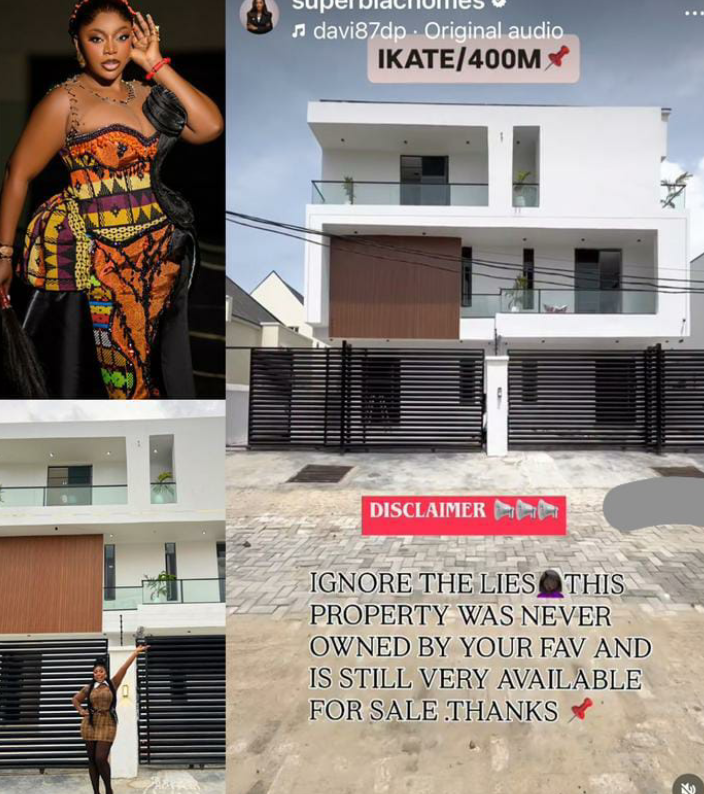
The Nigerian social media space lit up again as a fresh controversy unfolded around popular influencer Amarachi Amusi, famously known as Ashmusy, after a realtor publicly hinted that she allegedly lied about owning a property in Lekki. What started as a subtle jab quickly escalated into a digital drama, drawing reactions from fellow realtors, commenters, and spectators who have grown accustomed to the constant debates surrounding celebrity lifestyles and authenticity.
The entire conversation ignited when a user, @iamkingzino1, seemingly reacting to a post, wrote, “Ha, na who come get this sub?” The question didn’t need much time to find its answer. Almost immediately, a realtor identified as superblachomes stepped forward with what many interpreted as a bold accusation, replying, “Na una fav wey claim house wey no be her own. Even had the guts to do a shoot with her mum on a property that ain't hers.” That single comment created a ripple effect, turning the post into a battleground of opinions and subtle confirmations.
The implication was clear: according to the realtor, the house Ashmusy supposedly showcased online wasn’t actually hers. And even more shocking for many was the revelation that she allegedly filmed content with her mother on the property — a move the realtor considered an audacious attempt at solidifying the alleged lie.
Within minutes, other realtors began chiming in. Another page, ambihomesproperties, stepped into the conversation, clarifying that the said property is still very much on the market. Their simple comment, “Very much available,” added fuel to the fire, subtly backing the claim that the influencer did not, in fact, purchase the house.
But the exchanges didn’t stop there. In a moment that many described as “shade wrapped in professionalism,” theeleven11_properties added their own remark: “We been knew. GOD did and sold out.” Although the message was cryptic, it carried a tone of inside knowledge, suggesting that the supposed acquisition had been a topic of discussion within the real estate circle long before hitting the public domain.
The original realtor, superblachomes, doubled down on the accusation, adding another line that sent the comment section into a frenzy: “Them to lie abeg for this internet.” For them, the issue was no longer about an influencer borrowing clout — it was about the recurring culture of online exaggeration, where appearance often outshines reality.
Online reactions poured in rapidly. Some followers demanded receipts, insisting that the realtor should back the claims with hard evidence. Others, however, seemed convinced by the confidence of the accusers, pointing out that real estate companies rarely engage in such bold public comments unless they carry some level of inside information. A few users even noted that similar incidents have occurred in the past, where celebrities allegedly posed with properties still listed for sale.
While Ashmusy had not responded publicly at the time, fans were already split into camps — those defending her and those eager to believe the accusations. Supporters argued that influencers are often targeted for clout by businesses eager for attention, while critics claimed that the trend of celebrities staging photo shoots in luxury apartments and passing them off as personal homes has become far too common to ignore.
Observers also pointed out the underlying competitive tension within the Lagos real estate market. With Lekki being one of the most coveted locations for young celebrities and influencers, claims of ownership often serve as both status symbols and marketing tools. In such an environment, any sign of pretense attracts immediate scrutiny, especially from realtors who have access to property listings and sales history.
However, what struck many was not just the allegation itself, but the manner in which it was delivered — casually, almost playfully, yet with enough substance to trigger a wave of speculation and commentary. The conversation ended on a humorous note when superblachomes told theeleven11_properties, “Stoppppeeet precious,” a playful exchange showing that even industry insiders could blend humor into what was otherwise a serious accusation.
The incident highlights once again the tension between curated social media personas and real-life transparency. Influencers are often expected to portray a life of success, luxury, and upward mobility, but with increased visibility comes increased scrutiny. Fans now demand more authenticity, and businesses are becoming less hesitant to call out what they perceive as misinformation, especially when it directly ties into their industry.
Whether Ashmusy will address the controversy remains to be seen. Some believe she may ignore it altogether, banking on the short memory of social media audiences. Others expect her to come forward with proof of ownership to silence critics and restore her credibility. But until that happens, the online streets remain divided.
One thing is certain: the real estate world has entered the chat, and this time, they aren’t mincing words. Their message — “Ignore the lies” — has become the defining quote of the saga, pushing many to question just how much of what they see online is real and how much is simply crafted for digital applause.
In a space where influencers strive to inspire, and brands strive to maintain integrity, moments like this serve as a reminder of the delicate balance between perception and truth. For now, the Lekki property remains a topic of debate, the realtors remain firm in their claims, and the influencer at the center of it all sits under the spotlight as Nigerians wait for clarity.

Whether this is a misunderstanding, a marketing strategy gone wrong, or a genuine case of misrepresentation, the unfolding drama has once again proven that the internet never forgets — and it never misses an opportunity to investigate, dissect, and debate.
Popular Posts
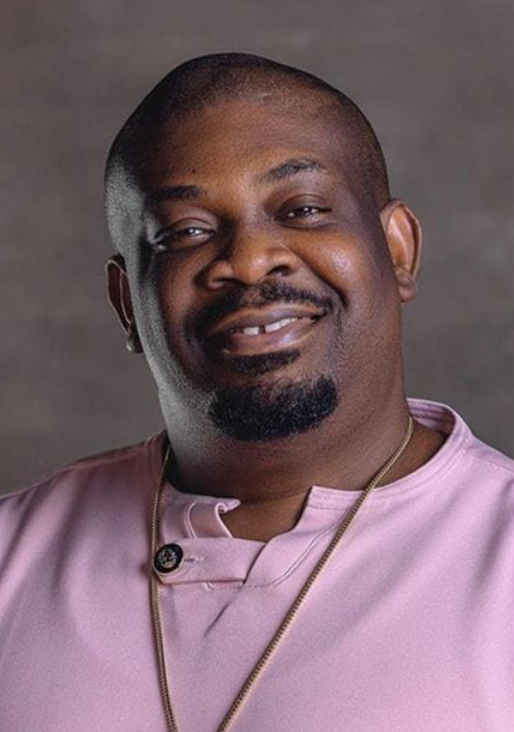
Don Jazzy Left Speechless as Fan’s ‘Non-Greedy’ Christmas Wish Turns Into a Lifetime Expense
12 Dec, 2025
Don Jazzy Left Speechless as Fan’s ‘Non-Greedy’ Christmas Wish Turns Into a Lifetime Expense
12 Dec, 2025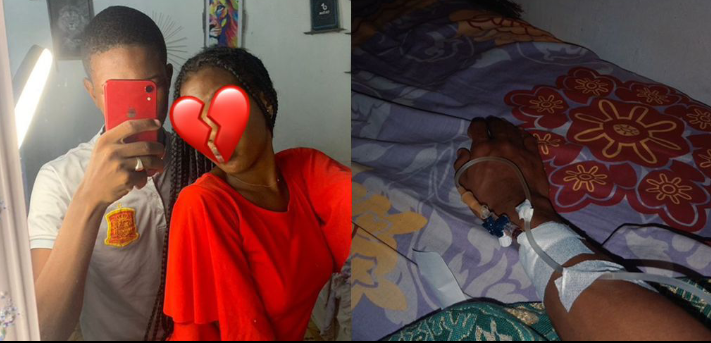
Heartbreak That Broke the Body: Young Man Lands in Hospital After Girlfriend Walks Away
12 Dec, 2025Scroll to Top