news
“I’m Not Proud of My Past”: Pastor Adeboye’s Confession Stirs Emotions at Holy Ghost Congress 2025
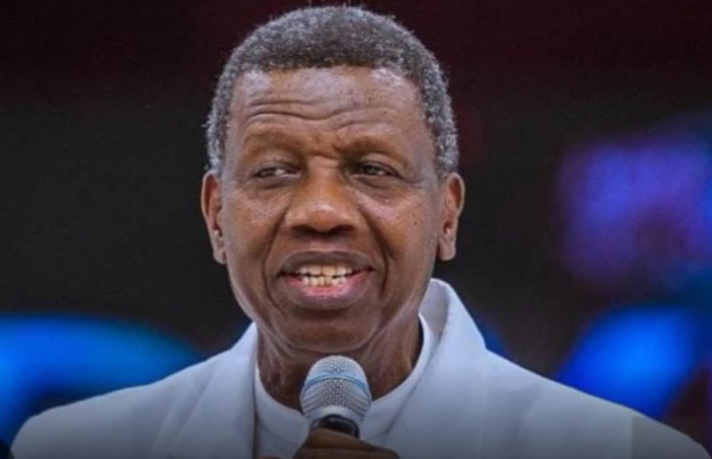
A moment of rare vulnerability from one of Africa’s most influential Christian leaders has continued to resonate across Nigeria and beyond, after Pastor Enoch Adeboye, General Overseer of the Redeemed Christian Church of God, openly declared that he is not proud of his past, describing his life as living proof that God can transform anyone. The revered cleric made the confession on day five of the Holy Ghost Congress 2025, held at Redemption City along the Lagos–Ibadan Expressway in Ogun State, in what many attendees described as one of the most heartfelt messages of the gathering.
Standing before thousands of worshippers drawn from different parts of the country and the diaspora, Pastor Adeboye reflected on his journey from a troubled past to becoming one of the most respected religious figures in the world. His words, delivered with humility and deep conviction, cut through the celebratory atmosphere of the congress, offering a sobering reminder of the power of grace, redemption, and spiritual transformation. The message quickly spread beyond the auditorium, igniting conversations on social media and within Christian communities about second chances and the possibility of change.
Adeboye told the congregation that there was a time when many people around him believed he was beyond redemption. According to him, not only did people doubt that he could be saved, but even fewer imagined he would ever become a pastor, let alone lead a global church movement. “Is there anyone in your family too far gone for God to save?” he asked, pausing as the crowd listened intently. “Can’t God turn anyone into a vessel of honour? Many never thought I could be saved, and even fewer imagined I could become a pastor. I’m not proud of my past; if anyone could be bad, I was.”
The confession struck a chord because of who Adeboye is today. As the leader of the RCCG, a church with millions of members worldwide and parishes in nearly every country, he is often seen as a symbol of discipline, holiness, and spiritual authority. His calm demeanor, scholarly background, and reputation for integrity have long shaped public perception of him as a man set apart from controversy. By openly acknowledging his past struggles, he shattered the idea that spiritual leaders are born righteous or untouched by flaws.
For many worshippers present at the congress, Adeboye’s message was deeply personal. Some described it as a reminder that their own mistakes, failures, and regrets do not disqualify them from a meaningful relationship with God. Others said it challenged the tendency within religious spaces to judge people solely by their past actions rather than their potential for growth. In a society where stigma often follows individuals long after their mistakes, Adeboye’s testimony offered a counter-narrative rooted in hope.
The Holy Ghost Congress, an annual gathering that draws massive crowds, has always been known for its intense prayers, teachings, and testimonies. However, this year’s edition appeared to carry a particularly reflective tone, with Adeboye’s confession setting the mood for deeper introspection among attendees. His message emphasized that salvation and purpose are not reserved for those with spotless histories, but are available to anyone willing to surrender to God’s transforming power.
Adeboye stressed that his story was not meant to glorify his past but to magnify what he described as the mercy of God. He urged believers not to measure what God can do in their lives by their background, upbringing, or past mistakes. According to him, the true test of faith is trusting that God can rewrite any story, regardless of how broken it may seem. He encouraged parents and families not to give up on loved ones who appear lost, insisting that no one is too far gone for divine intervention.
The message also resonated strongly among young people, many of whom face intense pressure to appear perfect in an age dominated by social media and public scrutiny. Adeboye’s words offered reassurance that personal growth is a process and that transformation often begins in unlikely places. By admitting that he was once “bad,” the pastor humanized himself in a way that few public figures dare to do, reinforcing the idea that greatness can emerge from humility and honesty.
Reactions online were swift and emotional. Clips from the sermon circulated widely, with many users praising Adeboye for his transparency and courage. Some described the confession as refreshing in a time when religious leaders are often criticized for appearing distant or unrelatable. Others shared their own stories of transformation, using Adeboye’s testimony as encouragement to keep believing despite setbacks.
Beyond the emotional impact, the confession also reignited discussions about redemption within the Christian faith and Nigerian society at large. In a culture where one’s past can easily become a permanent label, Adeboye’s message challenged both religious and social norms. It questioned the habit of writing people off based on former behavior and called for a more compassionate approach to human flaws and failures.
As the Holy Ghost Congress continued, Adeboye’s words lingered in the hearts of many attendees, shaping conversations in prayer tents, hostels, and online forums. For some, the message reinforced their faith; for others, it marked a turning point, inspiring them to believe that change is still possible. The pastor’s confession, simple yet profound, served as a reminder that spiritual leadership is not about perfection but about transformation.
In the end, Adeboye’s declaration that he is not proud of his past was less about regret and more about testimony. It underscored a central theme of the Christian message: that grace is most powerful where weakness once prevailed. As worshippers departed Redemption City after day five of the congress, many carried with them a renewed sense of hope, convinced that if God could transform Pastor Adeboye, then no life is beyond repair.
Popular Posts

“A Ticking Time Bomb”: Dotun’s Blunt Warning Sparks Fresh Debate After Peller’s Car Crash Drama
15 Dec, 2025
FRSC Warns Celebrities as TikToker Peller Faces Prosecution Over Road Crash
15 Dec, 2025
19-Year-Old Girl Allegedly Stabs Boyfriend to Death During Infidelity Fight in Ogun State
15 Dec, 2025Scroll to Top