Entertainment
“I’m Sorry, Please Forgive Me” — Pastor Chris Okafor begs Before Church and Pleads With Members After Controversy Shocks Nation
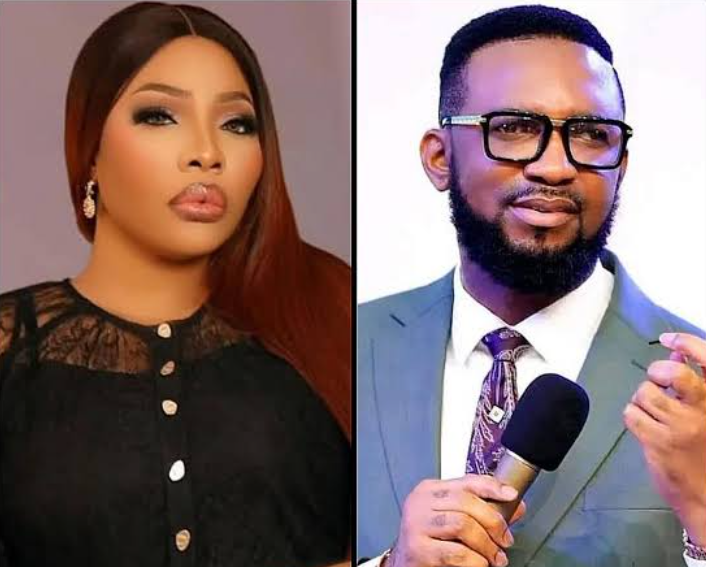
In a dramatic turn of events that has captivated the nation, Nigerian clergyman Pastor Chris Okafor, founder of Mountain of Liberation and Miracles Ministries — also known as Grace Nation Bible Ministry — took to the pulpit on Sunday, December 28, 2025, to publicly apologise over a series of explosive allegations that have dominated headlines and social media in recent weeks.
In a now-viral video broadcast live and widely shared on platforms such as X and Instagram, Pastor Okafor was seen kneeling before members of his congregation — an extraordinary gesture that underscored the seriousness of the moment and the deep public interest in the ongoing saga. Wearing a solemn expression, the pastor addressed his congregation and viewers across the country, acknowledging that “mistakes have been made in the past” before tendering what he described as an honest and heartfelt apology to those he had offended.
“Listen, we’re not joining issues,” Okafor said, addressing the controversy head-on in the sermon that quickly went viral. “Mistakes have been made in the past, and I tender an apology to everybody.” He then looked directly toward his congregation, his voice thick with emotion, emphasising that his apology was not limited only to those within his church but extended to “any lady, anywhere, or man” he might have offended over the years.
The apology comes against the backdrop of a highly publicised feud between Pastor Okafor and Nollywood actress Doris Ogala, which began earlier in December after Ogala made serious public allegations against the cleric. She accused him of reneging on a long-standing promise to marry her after years of a private relationship — a claim that ignited intense debate on social media, with supporters and critics offering sharply contrasting narratives.
According to reports, the dispute escalated significantly when Ogala was arrested in Abuja shortly after being granted bail, only to be flown to Lagos by Nigeria Police officers from the Zone 2 Command. What followed was a tense confrontation that saw Ogala’s lawyer’s phone allegedly seized by officers after attempting to document the events, and an intervention by a civil rights activist that eventually secured her release.
During his address, Pastor Okafor took responsibility for his actions, but also defended himself against certain aspects of the allegations. “Everything that was said is not true,” he declared to the congregation. “There are so many lies in most of the things that were said.” Nevertheless, he maintained that regardless of the veracity of every claim, he was prepared to apologise to anyone who felt hurt or wronged — a stance that drew both praise and scepticism from observers.
As the pastor knelt before his congregation, a symbolic act of contrition and humility, some members of the audience were seen responding with cheers and shouts of encouragement, while others watched in stunned silence. “I’m not perfect,” he continued, his voice carrying through the church hall. “I’ve never been perfect. Forgive me. You can judge me. Pray for me.”
The public nature of the apology and the manner in which it unfolded have turned the controversy into one of the most talked-about stories in Nigeria’s religious and entertainment sectors. Analysts say the situation highlights the complex dynamics between religious leaders and public accountability in an era where social media can amplify private disputes into national conversations.
In the immediate aftermath of the apology, actress Doris Ogala — who has been at the centre of the dispute — took to Instagram Live to respond, saying she had accepted the pastor’s apology but took issue with his claim that everything she had said was untrue. “Chris Okafor, please do not kneel,” she wrote. “This was all I wanted. Apology accepted. Chris Okafor, I forgive you, but there’s a problem. Where you said everything is a lie, I have a problem with that because I don’t lie.”
Ogala’s response has underscored the lingering tensions and unresolved issues at the core of the dispute. Her insistence on maintaining her version of events — even while extending forgiveness — suggests that the public conversation surrounding the case is far from over.
The controversy also intersects with broader legal and societal questions. Ogala’s lawyers, Synergy Law Partners, had previously issued a formal demand for N1 billion in damages, citing emotional distress, reputational harm, and financial loss — a figure that drew attention to the potential civil implications of the dispute.
For his part, Pastor Okafor has yet to provide a detailed public defence against each allegation, and no final legal resolution has been reported as of late December 2025. However, his decision to kneel before his congregation and apologise has resonated with many who see the act as a rare public display of contrition by a high-profile religious figure in Nigeria.
Across social media platforms and newsrooms, reaction has been mixed. Some commentators have praised the pastor’s willingness to apologise openly and seek forgiveness, interpreting his actions as a sign of leadership accountability. Others have questioned the sincerity of the apology, pointing to his repeated assertions that the accusations were largely untrue as a possible attempt to deflect responsibility.
Ultimately, Pastor Chris Okafor’s dramatic plea for forgiveness has ignited a national conversation about the responsibilities of spiritual leaders, the power of social media in shaping public opinion, and the complex interplay of personal relationships and institutional authority. Whether this apology marks a genuine turning point or simply a momentary pause in a larger saga remains to be seen, but for now, the image of the pastor kneeling before his congregation will linger in the minds of many across Nigeria.
I'm sorry - pastor Chris Okafor plead to his members 🙏
— Shegzeblog (@shegzedon) December 28, 2025
(From 50k to 100k Raphinha Transfer Levy Fayose) pic.twitter.com/Ht57rOjwt3
Twitter Post
Visit websitePopular Posts
“Keep That Nonsense Away from Our Football”: Ayo Shonaiya Slams Primate Ayodele as Ademola Lookman Silences AFCON Prophecies
28 Dec, 2025
“Single Forever”: Kai Cenat’s Viral Declaration Sparks Global Reactions, Memes, and a New Chapter for the Streaming Superstar
28 Dec, 2025
Faith, Fame and a Final Choice: Media Personality Aunty Esther Dies After Cancer Battle
28 Dec, 2025Scroll to Top