Entertainment
“Keep That Nonsense Away from Our Football”: Ayo Shonaiya Slams Primate Ayodele as Ademola Lookman Silences AFCON Prophecies
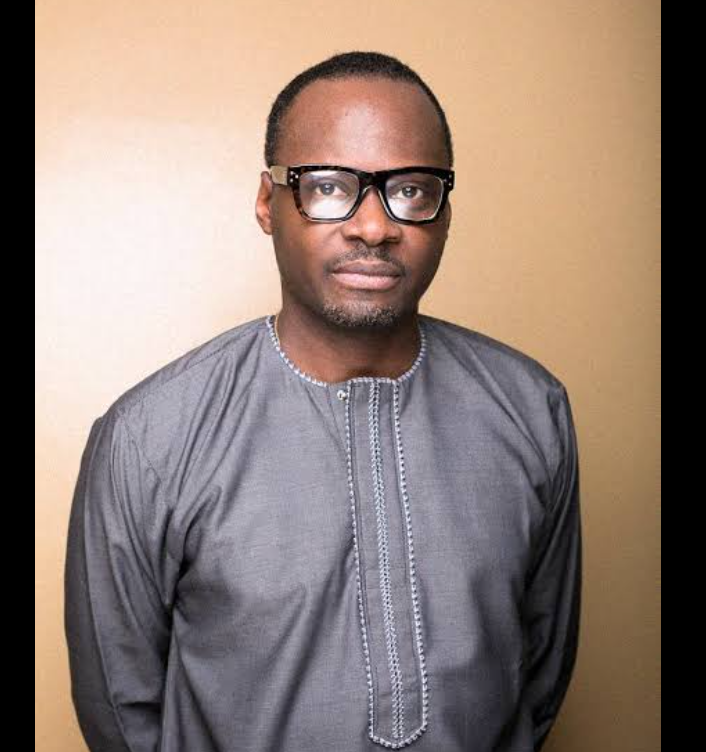
As the Super Eagles of Nigeria marched confidently into the knockout stages of the Africa Cup of Nations, one man’s boots did more than win matches — they reignited a national conversation about faith, prophecy, and the place of superstition in Nigerian football. Ademola Lookman, the Atalanta forward who has steadily grown into one of Nigeria’s most dependable attackers, delivered back-to-back winning goals to secure six crucial points for the Super Eagles, effectively sealing their passage to the next round. But beyond the jubilation on the pitch, his performances triggered a fiery reaction off it, most notably from renowned Nigerian filmmaker Ayo Shonaiya.
On the night of December 27, 2025, as Nigerians celebrated another hard-fought victory, Shonaiya took to X, formerly Twitter, to express his thoughts in a blunt and unfiltered post that quickly went viral. Clearly referencing previous gloomy prophecies surrounding the Super Eagles’ AFCON campaign, the filmmaker did not mince words. He mocked what he described as “so-called apostles, primates and doomsday prophets,” declaring that Lookman’s match-winning displays were proof that such predictions were nothing more than “nonsense” that had no place in Nigerian football. His post, which garnered over 23,000 views within hours, struck a chord with fans who have grown weary of negative predictions trailing the national team before major tournaments.
Although Shonaiya did not mention names directly in the post, many Nigerians interpreted his remarks as a clear jab at Primate Elijah Ayodele, the outspoken cleric known for making headline-grabbing prophecies about politics, entertainment, and sports. In the build-up to the tournament, Primate Ayodele had reportedly made predictions that cast doubt on Nigeria’s chances at AFCON, fueling anxiety among fans and sparking debates across social media platforms. For critics, these prophecies often feel less like spiritual insight and more like distractions that weigh heavily on players and supporters alike.
Ademola Lookman’s response, however, came not in words but in decisive action on the field. In consecutive group matches, the forward demonstrated composure, intelligence, and a killer instinct in front of goal, scoring the decisive strikes that turned tense encounters into Nigerian victories. Each goal was celebrated wildly by fans, not just because of the points earned, but because they symbolized resilience in the face of doubt. With six points secured and qualification confirmed, the Super Eagles sent a clear message that preparation, teamwork, and belief mattered far more than ominous predictions.
The reaction online was swift and divided. While many fans applauded Shonaiya for saying what they felt, others cautioned against dismissing religious voices entirely in a country where faith plays a central role in public life. Still, the dominant mood leaned toward relief and vindication. Supporters flooded timelines with praise for Lookman, hailing him as the man who “answered critics with goals” and restored confidence in the team. Memes, celebratory videos, and excerpts of Shonaiya’s post circulated widely, turning the filmmaker’s outburst into a rallying cry for football-focused optimism.
For Shonaiya, who has long been vocal about social issues beyond filmmaking, the incident touched on a deeper concern about how narratives around Nigerian sports are shaped. In his view, constant doomsday prophecies create an atmosphere of fear and inevitability, subtly undermining players before they even step onto the pitch. His call to “keep that nonsense away from our football” resonated as a plea for a healthier sporting culture, one that supports athletes rather than burdening them with spiritual speculation.
Within football circles, Lookman’s rise has been a story of persistence rather than prophecy. After navigating club football challenges in Europe and gradually cementing his place in the national team, his AFCON performances have been the result of tactical discipline and personal growth. Coaches and analysts have pointed to his movement off the ball, improved finishing, and calm under pressure as key factors in Nigeria’s strong start to the tournament. For many observers, this made the contrast between performance-based success and prophecy-based pessimism even starker.
The Nigerian Football Federation and the Super Eagles’ technical crew have remained focused, steering clear of the controversy. Official statements have centered on match preparation, squad unity, and the importance of maintaining momentum heading into the knockout rounds. Behind the scenes, players have reportedly embraced a “one game at a time” mentality, choosing to shut out noise from both critics and prophets as they chase continental glory.
Yet, the episode highlights a recurring tension in Nigerian society, where football, faith, and public opinion often intersect. From World Cup qualifiers to AFCON tournaments, predictions from religious figures frequently dominate pre-match conversations, sometimes overshadowing tactical analysis and player form. While some fans draw comfort from prophetic assurances, others argue that negative forecasts do more harm than good, especially when amplified by social media.
As the Super Eagles prepare for the next phase of the tournament, Lookman’s goals have already achieved something significant beyond the scoreline. They have shifted the narrative from fear to belief, from prophecy to performance. For Ayo Shonaiya and countless supporters who echoed his sentiments, this shift is long overdue. Football, they argue, should be driven by hard work, strategy, and passion — not ominous declarations that predict failure before the first whistle.
With Nigeria now firmly in the knockout stages, the focus returns to what lies ahead: tougher opponents, higher stakes, and the enduring dream of lifting the AFCON trophy. Whether or not the debates about prophecy fade remains to be seen, but one thing is certain. On this stage, Ademola Lookman has spoken loudest, and his message came in the form of goals that defied predictions and reignited hope for millions of Nigerian fans.
Popular Posts
FG Turns to Turkey as Tinubu Seeks New Path to Tackle Nigeria’s Insecurity
28 Dec, 2025
“This Year Will Not See My End”: Actress Allwell Ademola’s Final Words Stir Grief, Reflection, and a Nation’s Heart
28 Dec, 2025
A Curtain Falls Too Soon: Nollywood in Shock as Actress and Producer Allwell Ademola Dies at 43
28 Dec, 2025Scroll to Top