Entertainment
Influencer Mary Magdalene’s Tragic Death Sparks Global Conversation on Plastic Surgery Addiction and Social Media Pressures
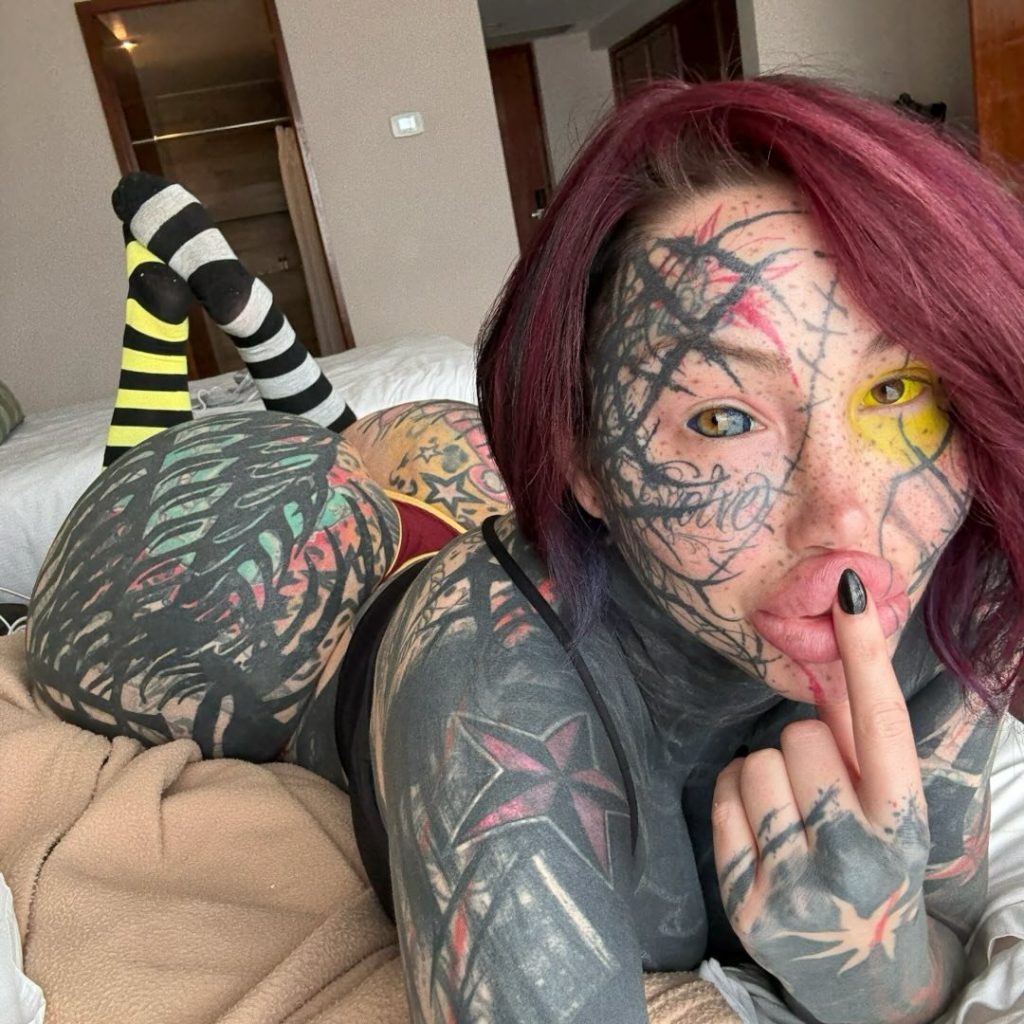
The shocking death of 33-year-old influencer Mary Magdalene—real name Denise Ivonne Jarvis Gongora—has thrown social media into a frenzy of grief, speculation, and deep reflection after she reportedly fell from a Phuket hotel balcony. Hours before her death, Magdalene changed her username to the chilling handle “MaryMagdaleneDIED”, an update that immediately fueled fears of premeditation and raised disturbing questions about her mental state in the final moments of her life.
Police sources in Thailand are still piecing together what precisely transpired that night, but online communities are already struggling to make sense of a tragedy that feels both sudden and painfully familiar.
Magdalene rose to global notoriety through her extreme transformations, undergoing a staggering series of plastic surgeries—multiple breast augmentations that pushed her to a 38J chest, repeated Brazilian butt lifts, and numerous facial reconstruction procedures that redefined nearly every part of her appearance. Her image, heavily modified and proudly documented, became both her brand and her burden. Fans and critics alike followed her winding journey through hospitals, complications, and fresh procedures, watching her push her body further than most surgeons would ever recommend. Her online identity was built on shock value, defiance, and the relentless pursuit of a self-image that seemed to slip further away the more she chased it.
But beneath the spectacle, psychologists say, lay a textbook pattern of Body Dysmorphic Disorder (BDD)—a condition affecting 1 to 2.4 percent of Americans and disproportionately represented in cosmetic surgery clinics, where up to 15 percent of patients exhibit symptoms. BDD is characterized by obsessive focus on perceived flaws and a compulsive drive to “fix” them, no matter the financial, physical, or emotional cost. While Magdalene’s followers often celebrated her boldness, professionals warn that her escalating surgeries were consistent with what they see in the most severe cases: no amount of alteration ever producing the satisfaction the patient hopes for.
Her story also reflects the darker side of the digital era, where social media has fused identity with image and turned aesthetic enhancement into a competitive sport. Studies increasingly show a direct link between heavy use of filters or editing apps and the rise of body dissatisfaction, with platforms rewarding exaggerated beauty standards that are difficult—if not impossible—to achieve naturally. A 2024 study published in Frontiers in Public Health found that frequent editing of selfies significantly increased symptoms of BDD and predicted higher rates of cosmetic interventions, especially among young women exposed to algorithm-driven images of surgically enhanced influencers. Magdalene was both a creator and a victim of this system.
The final hours before her death are haunting. The abrupt username change, the eerie silence that followed, and the mounting rumors of emotional distress have left her fans devastated. Although authorities have not confirmed whether her fall was accidental or deliberate, the online speculation underscores the broader cultural unease about influencers who live their entire lives under the gaze of millions, their struggles often masked by curated glamour. Even in her riskiest procedures, Magdalene often insisted she was in control, yet the mounting complications and emotional volatility suggested a life spiraling out of balance.
As tributes flood social media, many viewers are using her story as a cautionary tale about the pressure to live up to hyper-optimized beauty ideals, the mental health toll of online fame, and the unchecked rise of extreme plastic surgery as a form of self-expression. For others, her death is a wake-up call about the need for stronger protections, from improved mental-health screenings in cosmetic clinics to broader conversations about the psychological impact of influencer culture.
What remains undeniable is the sadness of a life consumed by the pursuit of an ever-changing reflection, ending far too soon and under circumstances still shrouded in unanswered questions. Mary Magdalene's journey, once sensationalized and mocked, now forces a quieter reckoning about the cost of chasing perfection in a world that rewards extremes. Her death is more than viral tragedy—it is a mirror held up to the society that shaped her, admired her, and ultimately watched her fall.
Watch the video below
Twitter Post
Visit websitePopular Posts
“Stick to Makeup, Sis”: Daniel Regha’s Fiery Clapback at Tacha Sparks Heated Debate Online
12 Dec, 2025
Kuje Nights Begin: Abuja Court Orders Former Labour Minister Chris Ngige Remanded Over Alleged ₦2.2bn Contract Fraud
12 Dec, 2025
“Even the Privileged Are Tired”: Kiddwaya’s Viral Lament Sparks Nationwide Reactions
12 Dec, 2025Scroll to Top