news
Nigeria Rejects External Interference After Netanyahu’s Move to “Protect” Christians, Says Bashir Ahmad
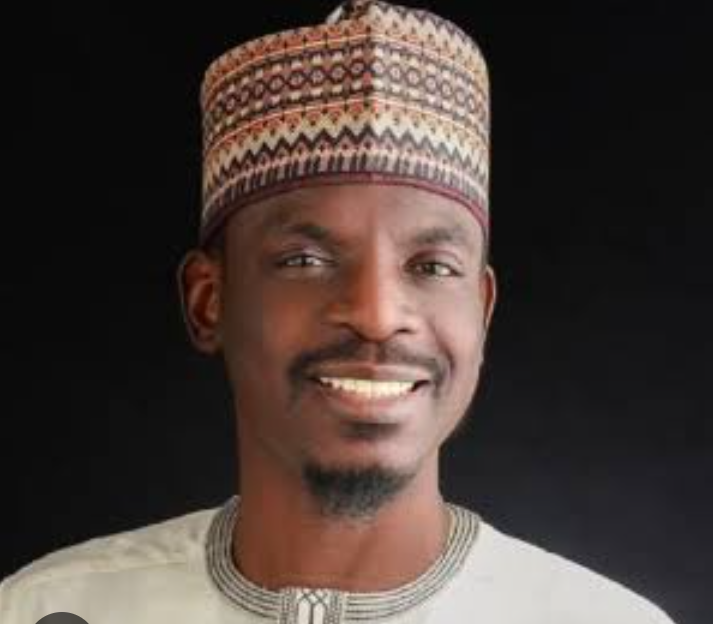
In a strong statement that has set social media abuzz, Bashir Ahmad, OON, has emphasized that Nigeria does not need external interference in addressing its internal security challenges, following Israeli Prime Minister Benjamin Netanyahu’s announcement of a new initiative to protect Christian communities in Africa and the Middle East, including Nigeria. Ahmad’s remarks, delivered with a mixture of indignation and firm patriotism, underscore the ongoing sensitivity around issues of sovereignty and foreign involvement in the country’s affairs.
Ahmad took to X (formerly Twitter) to question the motives behind Netanyahu’s move, highlighting the perceived disrespect in bypassing Nigeria’s leadership to make such a declaration. “So, should we applaud this simply to avoid being labeled the first sympathizers? Whatever names we may be called, we will still speak up when our country is being disrespected,” Ahmad tweeted. He went on to underscore the audacity of a foreign leader—who is currently facing international criticism and ongoing trials at the International Criminal Court for alleged crimes in Palestine—attempting to influence Nigeria’s internal affairs without prior consultation.
“This is not just an overstep; it is a blatant disregard for our sovereignty,” Ahmad continued. “If this is not disrespect, how else do we describe a person wanted by the ICC for genocidal atrocities inserting himself uninvited into our internal affairs and to what end?” His comments reflect growing concerns among Nigerians about the implications of foreign intervention framed under the guise of humanitarian support, particularly when it involves leaders with controversial international reputations.
Ahmad’s statement also took aim at Netanyahu’s choice of communication, pointing out that the Israeli leader did not engage with Nigeria’s President or official channels. Instead, Netanyahu reportedly referenced former U.S. President Donald Trump, a move Ahmad interpreted as treating Nigeria as though it were “the 51st state of the United States.” The remark sparked intense online debates, with Nigerians questioning whether global powers genuinely understand the complexities of Nigeria’s security situation or merely seek geopolitical influence under the pretext of religious protection.
The context for Netanyahu’s announcement comes at a time when global attention has increasingly focused on the safety of Christian minorities in Africa and the Middle East. Israel, long vocal about its role in safeguarding religious communities, framed the initiative as a proactive step to counter rising threats. Sahara Reporters, in an article covering the announcement, described the move as a “new front to protect Christian communities in the Middle East and Africa, including Nigeria,” highlighting Israel’s intent to expand its diplomatic and humanitarian influence beyond its immediate region.
Despite these intentions, Ahmad’s reaction reflects a broader sentiment in Nigeria: the country values legitimate international support but insists on maintaining full control over how that support is requested, implemented, and coordinated. “Indeed, Nigeria needs all legitimate support it can get to address its internal security challenges, but certainly not from individuals facing ongoing genocide trials before an international court,” Ahmad asserted. He added that Nigeria’s sovereignty, dignity, and moral standing must never be compromised in the name of expediency, a statement that resonated with a significant portion of the Nigerian populace.
The Nigerian public reaction to Ahmad’s statement has been swift and varied. Many Nigerians praised the former presidential aide for his unapologetic defense of national dignity, while others debated whether rejecting such foreign initiatives outright might limit potential avenues for collaboration in tackling security challenges, especially in regions plagued by religiously motivated violence. Social media users highlighted the delicate balance Nigeria must strike between accepting help that aligns with its laws and strategic interests and resisting interventions that might come with hidden political motives.
Analysts note that Nigeria’s security landscape is complex, shaped by decades of intercommunal conflicts, insurgencies, and regional instability. While Christian communities in parts of northern and central Nigeria have indeed faced attacks by armed groups, the solutions to these challenges require nuanced understanding of local dynamics. Observers argue that foreign interventions, particularly those announced unilaterally, risk oversimplifying these issues and could inadvertently undermine ongoing local efforts.
Ahmad’s response also reflects a broader geopolitical awareness in Nigeria regarding the international actions of controversial figures. Netanyahu, despite being a seasoned statesman, carries baggage from ongoing international legal proceedings, which Ahmad highlighted as a reason to question the legitimacy of his interventions. By framing the conversation in terms of sovereignty and respect, Ahmad positioned Nigeria as a nation that values its autonomy over external accolades or perceived political alliances.
The debate over foreign involvement in Nigeria’s internal security affairs is not new. Over the years, various international actors—from neighboring African countries to Western powers—have offered assistance in combating terrorism, communal violence, and organized crime. While some initiatives have led to meaningful cooperation, others have been met with suspicion, particularly when they appear to prioritize the donor’s strategic interests over Nigeria’s needs. Ahmad’s statement can therefore be seen as part of an ongoing effort to assert Nigeria’s authority and demand respect on the global stage.
The timing of Netanyahu’s announcement, coinciding with renewed global discussions about religious protection and minority rights, has added another layer of complexity. By calling attention to the lack of engagement with Nigeria’s official leadership, Ahmad highlighted a key diplomatic principle: foreign support must be coordinated, transparent, and aligned with the host nation’s policies. Any deviation from this principle, he argued, risks disrespecting national institutions and the people they serve.
Moreover, Ahmad’s remarks resonate with Nigerians who are sensitive to how international narratives shape perceptions of the country. The framing of foreign protection as necessary might imply that Nigeria is incapable of safeguarding its citizens, a notion that many reject. Ahmad’s firm stance communicates that while Nigeria welcomes collaboration, it is fully capable of addressing its security challenges through its institutions, with the support of partners who respect its sovereignty.
As discussions continue on social media and among political commentators, one thing is clear: Nigeria’s approach to foreign engagement is increasingly assertive. Ahmad’s statement serves as a reminder that national dignity and self-determination remain non-negotiable, even in matters of international humanitarian concern. The dialogue sparked by Netanyahu’s announcement has reinforced the idea that global actors must tread carefully when offering assistance, ensuring it complements, rather than overrides, local decision-making.
In the coming weeks, the conversation around Nigeria’s security and the role of foreign partners is likely to intensify. Analysts predict that government officials may issue clarifications or engage in diplomatic exchanges to address the public and international reactions. Meanwhile, Bashir Ahmad’s statement will likely be cited as a reference point in debates about sovereignty, external intervention, and the limits of international influence.
Ultimately, the issue extends beyond a single announcement or statement. It touches on the fundamental principles of respect, partnership, and self-governance. Nigeria’s leaders and citizens have made it clear that while collaboration with international allies is welcome, it must never come at the cost of the country’s autonomy or moral standing. Ahmad’s words capture the sentiment of a nation asserting its right to chart its own course, making it unmistakably clear that Nigeria does not need help imposed from abroad, even under the banner of protection.
The debate sparked by Netanyahu’s announcement and Ahmad’s response is far from over, but one thing is certain: Nigeria’s voice in matters affecting its people will continue to be firm, deliberate, and unyielding. Any external actor seeking to influence its internal affairs must do so respectfully, transparently, and in full consultation with Nigeria’s official leadership, or risk being met with unequivocal pushback.
Popular Posts

“Shame!!” Skitmaker Two Glazzes Shares Embarrassing Public Moment After Crossover Service
02 Jan, 2026
“Black Stars to the World Cup Final?” Prophet Nigel Gaisie’s Bold 2026 Prediction Sparks Hope and Debate
02 Jan, 2026
“We’ve Chosen Peace”: Peller Confirms Split From Jarvis, Says They’re Friends as He Vows to Focus on Himself in 2026
02 Jan, 2026Scroll to Top