news
“No Terrorists Killed, No Camps Destroyed”: Asari Dokubo Slams Reported U.S. Airstrikes in Sokoto as Ineffective and Dangerous
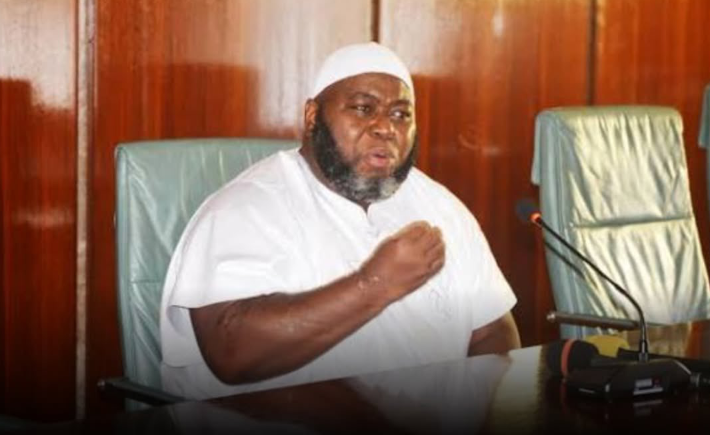
Former Niger Delta militant leader Asari Dokubo has stirred fresh controversy over Nigeria’s security narrative after openly questioning the effectiveness of reported airstrikes carried out in parts of Sokoto State, which were widely linked to U.S. support and surveillance. Reacting to reports aired on Arise Television, Dokubo alleged that the strikes had no tangible impact on armed groups operating in the area, insisting that no terrorists were killed and no camps were destroyed during the operation.
Dokubo, speaking with visible frustration, described the airstrikes as “shameful and laughable,” arguing that the explosions did not hit any known bandit hideouts or operational bases. According to him, the devices landed in open fields and close to civilian settlements, leaving behind craters but failing to neutralise any security threat. He claimed residents of the affected areas confirmed that no armed group was present at the locations struck, raising serious concerns about intelligence gathering and targeting.
The former militant leader said locals in Sokoto told him the devices used in the operation appeared to be drones, yet despite their deployment, no criminal elements were reportedly harmed. He alleged that the strikes instead heightened fear among residents, placing innocent lives at risk without delivering any measurable security gain. Dokubo stressed that such operations, when poorly targeted, could deepen mistrust between civilians and security agencies, especially in communities already traumatised by years of violence.
Challenging official narratives, Dokubo dared authorities to provide concrete evidence that the operation succeeded in eliminating even a single terrorist. He questioned why no names, images, or verifiable intelligence had been released to support claims of success. “If you have any proof that one bandit or one terrorist was killed, just one, bring it out and show Nigerians,” he said, arguing that transparency was crucial in restoring public confidence.
His comments come at a time when Nigeria is grappling with persistent insecurity across multiple regions, including banditry in the North-West, insurgency in the North-East, and communal violence in parts of the Middle Belt. Sokoto State, in particular, has faced repeated attacks on rural communities, kidnappings, and clashes that have displaced thousands. Against this backdrop, any military action is closely scrutinised by both local residents and the wider public.
Dokubo’s remarks also touched on the sensitive issue of foreign military involvement in Nigeria’s internal security operations. He dismissed suggestions that the United States or any other foreign power could independently conduct military strikes on Nigerian soil without the country’s consent. According to him, Nigeria remains a sovereign state, and any foreign assistance would only occur through collaboration with Nigerian forces, not unilateral action.
“America cannot just send troops into Nigeria as they like,” Dokubo said, emphasising that foreign powers operate within diplomatic and military agreements that respect national sovereignty. He argued that exaggerating foreign dominance in Nigeria’s security operations feeds misinformation and distracts from the core issues of poor intelligence, coordination failures, and lack of accountability.
The allegations have sparked debate across social and traditional media, with some Nigerians echoing Dokubo’s concerns about the effectiveness of air operations, while others argue that such strikes often rely on classified intelligence that may not be immediately disclosed to the public. Security analysts have long noted that airstrikes, while useful, are not a standalone solution and must be complemented by accurate ground intelligence and strong community engagement.
Human rights groups have also repeatedly warned about the risks of aerial bombardment in civilian-populated areas, stressing the need for strict adherence to rules of engagement to avoid civilian harm. Although Dokubo did not present independent verification for his claims, his statements have reignited calls for greater oversight and clearer communication from security agencies regarding counterterrorism operations.
Government officials are yet to directly respond to Dokubo’s challenge, but past military statements have maintained that air operations are conducted based on actionable intelligence and are aimed at degrading the operational capacity of armed groups. The military has also insisted that measures are taken to minimise civilian casualties, even as critics argue that transparency remains limited.
For residents of Sokoto and other conflict-affected areas, the debate goes beyond political arguments and media soundbites. Many communities are desperate for lasting peace and effective protection, regardless of whether it comes from airstrikes, ground operations, or improved local security networks. Dokubo’s allegations, whether proven or not, highlight a growing public demand for results rather than rhetoric.
As Nigeria continues to seek solutions to its complex security challenges, voices like Dokubo’s, controversial as they may be, reflect a broader frustration with strategies perceived as failing to deliver safety on the ground. Until authorities provide clearer evidence of success and address concerns about civilian safety, questions surrounding the true impact of such operations are likely to persist, keeping the spotlight firmly on how the country wages its fight against insecurity.
Popular Posts

Royal Drums and Rising Profiles: Seyi Tinubu and Wife Layal Honoured With New Chieftaincy Titles in Lagos
26 Dec, 2025
Burna Boy’s $100,000 Gesture Sparks Conversation as VeryDarkMan Reveals Major Donation for Hospital Bills and Prisoner Support
26 Dec, 2025
From Child Star to Christmas Hospital Bed: The Troubling Turn in Tylor Chase’s Life
26 Dec, 2025Scroll to Top