news
Old Words, New Wounds: Nigerians Unearth AFRICOM’s Early Sokoto Strike Post as Online Debate Erupts
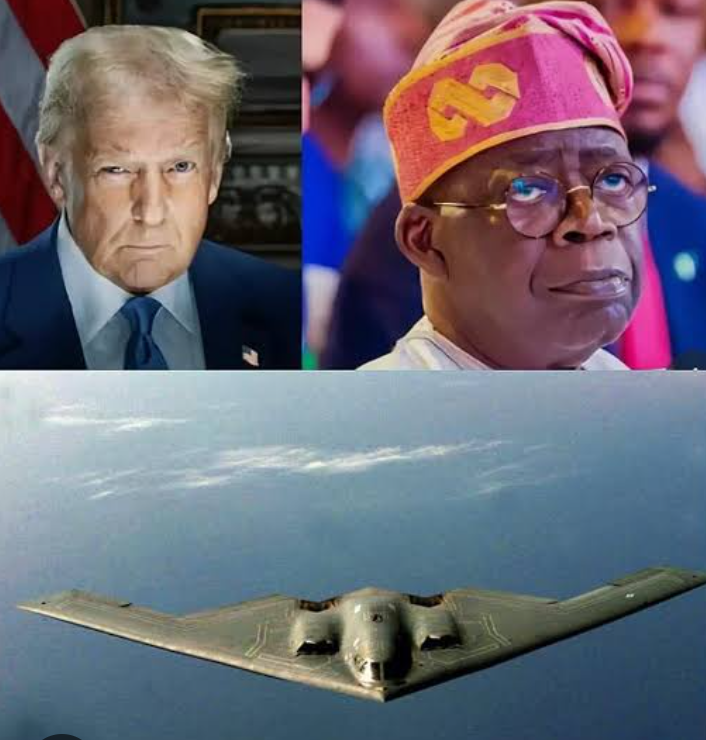
Nigerians on social media are once again locked in a heated debate after an old post by the United States Africa Command resurfaced online, shedding fresh light on the controversial U.S. airstrike carried out in Sokoto State. The rediscovered post, which dates back several months, stated that AFRICOM conducted a lethal strike at the request of Nigerian authorities, killing multiple ISIS-linked terrorists in the area. Though the statement had initially passed with limited public attention, its re-emergence has reignited questions about transparency, sovereignty, and the true scope of foreign military involvement in Nigeria’s security operations.
The resurfaced post, originally shared by the verified @USAfricaCommand account, described the strike as a targeted operation requested by Nigerian authorities, framing it as part of a broader effort to eliminate terrorist threats not only to Nigeria but also to American interests at home and abroad. At the time it was posted, the message drew modest engagement. Now, however, Nigerians digging through archives have brought it back into public view, where it has rapidly gained traction, racking up tens of thousands of views, reposts, and comments within hours.
Online reactions have been swift and sharply divided. For some Nigerians, the rediscovered statement confirms long-held suspicions that foreign powers have been more deeply involved in Nigeria’s internal security matters than officially acknowledged. These commentators argue that the strike, particularly one carried out by a foreign military force on Nigerian soil, raises serious concerns about national sovereignty and accountability. They question why such a significant military action was not openly communicated to the Nigerian public at the time and why details only seem to surface through foreign channels.
Others, however, view the strike through a more pragmatic lens, emphasizing the ongoing struggle against terrorism in the country’s northern regions. They argue that if Nigerian authorities indeed requested assistance, then collaboration with international partners like the United States is both necessary and justified. To this group, the resurfaced AFRICOM post is less a scandal and more a reminder of the complex security realities Nigeria faces, particularly in areas where insurgent groups have entrenched themselves over the years.
The Sokoto strike itself has remained shrouded in uncertainty. Initial reports about explosions or aerial attacks in parts of the state were met with confusion, as local authorities offered limited details and federal officials remained largely silent. In the absence of clear official communication, rumors filled the gap, with conflicting accounts circulating online. Some residents claimed the strikes targeted known terrorist hideouts, while others expressed fear that civilians may have been affected, though no independent verification emerged at the time.
The renewed attention on AFRICOM’s post has also sparked criticism of Nigeria’s information management during security operations. Many Nigerians are asking why confirmation from a foreign military command appears more detailed than statements from their own government. The lack of timely, transparent briefings has fueled distrust, particularly in an era where social media quickly amplifies uncertainty and speculation. Critics argue that silence from authorities only creates space for misinformation and erodes public confidence.
Adding another layer to the controversy is the broader geopolitical context. AFRICOM’s statement emphasized the protection of Americans and American interests, language that some Nigerians found unsettling. While acknowledging that terrorist groups pose global threats, critics argue that framing operations primarily around U.S. security priorities reinforces perceptions that Nigeria is being treated as a battleground for foreign interests. This sentiment has resonated strongly online, where discussions about neocolonialism and power imbalance frequently trend whenever foreign military involvement is mentioned.
Supporters of the collaboration counter that terrorism itself is transnational and that Nigeria benefits from intelligence sharing, surveillance capabilities, and military support that local forces may lack. They point out that groups affiliated with ISIS operate across borders, exploiting weak state presence and vast ungoverned spaces. From this perspective, international cooperation is not a sign of weakness but a strategic necessity in confronting a highly adaptive enemy.
The resurfaced post has also prompted renewed scrutiny of the legal and diplomatic frameworks governing such operations. Questions are being raised about whether the strike was conducted under a formal agreement, what rules of engagement applied, and how civilian protection was ensured. Legal analysts note that while Nigeria has the right to seek assistance, the public also has a right to know the terms under which foreign forces operate within its territory. Transparency, they argue, is essential not only for democratic accountability but also for maintaining public support for counterterrorism efforts.
On social media platforms, the conversation has expanded beyond the Sokoto strike to encompass a broader critique of how security issues are handled in Nigeria. Many users have linked the incident to recurring themes of secrecy, reactive communication, and a disconnect between government actions and public awareness. For a population already fatigued by years of insurgency, banditry, and kidnappings, the idea that major military actions could occur without clear explanation has struck a nerve.
Despite the controversy, some voices are urging caution against drawing conclusions based solely on a single resurfaced post. They stress the importance of verified information and warn against allowing online outrage to overshadow the complex realities of counterterrorism operations. In a security landscape where misinformation can spread rapidly, they argue that responsible discourse is crucial, even while demanding greater openness from authorities.
As the debate continues, neither the Nigerian government nor AFRICOM has issued a new statement directly addressing the renewed attention on the old post. The silence has only intensified speculation, with many Nigerians calling for an official clarification that outlines what happened in Sokoto, why the strike was necessary, and how such operations align with Nigeria’s broader security strategy.
What is clear is that the resurfacing of AFRICOM’s initial post has reopened unresolved questions and highlighted enduring tensions between security, sovereignty, and transparency. In an age where digital footprints never truly disappear, past statements can resurface to shape present narratives. For Nigerians, the Sokoto strike is no longer just a security incident; it has become a symbol of deeper concerns about who controls the narrative, who holds the power, and who ultimately answers to the people.
Popular Posts

“They Can Strike, But They Can’t Save Us”: Shehu Sani’s Warning as Nigeria Debates U.S. Military Involvement
26 Dec, 2025
Empty Bombs, Loud Applause: Sarki Slams U.S. Lawmaker Over Nigeria Airstrike Celebration
26 Dec, 2025
Former Broadway ‘Lion King’ Star Imani Dia Smith Stabbed to Death at 26 by Boyfriend in New Jersey
26 Dec, 2025Scroll to Top