Entertainment
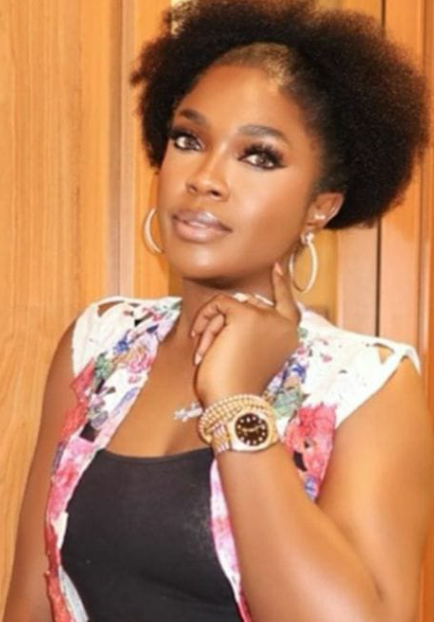
Omoni Oboli Claps Back in Style After Twitter User Claims He Can Outshine Nollywood Giants
Nollywood actress and filmmaker Omoni Oboli recently found herself at the center of an online debate when a confident X user boldly claimed he could produce a movie better than some of Nigeria’s most celebrated film industry figures. The tweet, which quickly gained traction, named Omoni Oboli alongside Funke Akindele and Kunle Afolayan, two other major players in the Nigerian movie scene, as benchmarks for what he believed he could surpass.
Ivankov Baboshkin, who goes by the handle @ZekeAbanum28 on X, posted: "I'm convinced and 100% sure I can do a better job and create a more compelling Hollywood standard movie than @Omonioboli, @funkeakindele, @kunleafolayan combined. I said what I said G, you." The audacious statement immediately sparked reactions from fans, fellow filmmakers, and critics alike, igniting a lively debate on the quality of Nollywood productions compared to international standards.
While many expected Omoni Oboli to respond with offense or defensiveness, she surprised followers with a composed and encouraging reply. The seasoned actress and director responded: "I believe you! Go do it! Rooting for O." Her response, simple yet loaded with confidence and grace, highlighted her professionalism and the open-minded attitude that has made her a respected figure in the industry.
The interaction is a reminder of how social media has transformed the relationship between creators and their audience. In the past, such bold statements would likely have been relegated to private debates or ignored entirely. Today, platforms like X offer a stage for anyone with an opinion to challenge even the most accomplished filmmakers. Omoni’s measured response, however, sets a tone for how industry veterans can handle criticism or ambitious claims without escalating tension.
Omoni Oboli’s career spans over two decades, and her work has consistently contributed to raising the profile of Nollywood both locally and internationally. Known for her versatility as an actress, director, and producer, she has created a variety of films that blend engaging storytelling with socially relevant themes. Her approach often reflects a balance between entertainment and meaningful messaging, making her a household name and a respected figure in African cinema.
Funke Akindele, another figure mentioned in the X user’s post, has carved a niche as one of Nollywood’s most beloved actresses and producers. Known particularly for her role in the iconic sitcom "Jenifa’s Diary," Akindele has successfully transitioned from acting to producing, delivering movies that resonate with both local and international audiences. Her knack for humor and relatable storytelling has won her critical acclaim and a loyal fanbase.
Kunle Afolayan, a veteran filmmaker and director, is renowned for his contributions to modern Nollywood cinema. His works are often celebrated for their high production values and cinematic approach, which have pushed Nigerian films closer to international standards. Afolayan has been instrumental in transforming the perception of Nollywood globally, proving that Nigerian films can rival productions from other parts of the world in both narrative depth and technical quality.
The X user’s claim, while audacious, reflects a growing conversation about the quality and global competitiveness of Nollywood films. Many critics have long debated whether Nigerian filmmakers are keeping pace with Hollywood and other major film industries in terms of storytelling, production quality, and audience engagement. Claims like these, while sometimes seen as disrespectful, can spark valuable discussions about innovation, ambition, and the evolving standards of filmmaking in Nigeria.
Omoni Oboli’s reaction also serves as a subtle reminder of the confidence and resilience required in the creative industry. It’s not unusual for filmmakers to face skepticism, criticism, or outright challenges from outsiders. However, the ability to respond constructively and encourage ambition—even when the claim seems unrealistic—demonstrates a level of professionalism that sets a standard for others in the industry. By rooting for the X user’s potential success, Oboli not only diffused what could have turned into a heated confrontation but also encouraged a culture of healthy competition and creativity.
The exchange also illustrates the democratizing power of social media in the arts. Today, anyone with a bold idea can share their vision with the world, potentially challenging established norms and industry leaders. While many such claims are made without substance, the dialogue they create can inspire both established filmmakers and newcomers to innovate and elevate the standards of their craft. In this case, the conversation surrounding Omoni Oboli, Funke Akindele, and Kunle Afolayan has inadvertently shone a spotlight on Nollywood’s achievements while also highlighting the ambitions of aspiring filmmakers looking to make a mark.
Fans of Nollywood reacted to the tweet and Omoni’s reply with enthusiasm and humor. Some praised Oboli’s grace and positivity, calling her response “classy” and “inspirational.” Others engaged in debates about whether it’s possible for someone outside the industry to truly surpass the combined talents of these seasoned filmmakers. Either way, the conversation has driven significant engagement, showing that Nollywood continues to captivate audiences not only through its films but also through the personalities of its creators.
The incident also underscores a broader trend in Nigerian entertainment, where social media interactions between celebrities and the public have become newsworthy events in themselves. Tweets, comments, and online debates can amplify voices, spark conversations, and even influence public perception of both individuals and the industry. Omoni Oboli’s ability to turn a potentially confrontational tweet into a moment of positivity demonstrates her savvy understanding of both her craft and her public image.
In conclusion, what started as a bold claim by an X user turned into a showcase of Omoni Oboli’s professionalism and confidence. Her gracious response—"I believe you! Go do it! Rooting for O"—not only silenced potential controversy but also encouraged creativity and ambition within the filmmaking community. It serves as a reminder that success in the arts is as much about character and resilience as it is about talent.

As Nollywood continues to grow and attract international attention, interactions like this reflect the dynamic nature of the industry and the passion of both its creators and its audience. Whether or not the X user follows through on his bold claim, the dialogue has successfully highlighted the achievements of some of Nollywood’s finest and the evolving conversation about the future of Nigerian cinema. In an industry where competition, creativity, and innovation are key, Omoni Oboli’s response proves that confidence, encouragement, and grace remain invaluable tools for any successful filmmaker.
Popular Posts
Don Jazzy Left Speechless as Fan’s ‘Non-Greedy’ Christmas Wish Turns Into a Lifetime Expense
12 Dec, 2025
Don Jazzy Left Speechless as Fan’s ‘Non-Greedy’ Christmas Wish Turns Into a Lifetime Expense
12 Dec, 2025
Heartbreak That Broke the Body: Young Man Lands in Hospital After Girlfriend Walks Away
12 Dec, 2025Scroll to Top