news
Outrage and Applause Collide as Nigerian Media Figure Sarki Fumes at U.S. Lawmaker Over Celebrated Airstrike
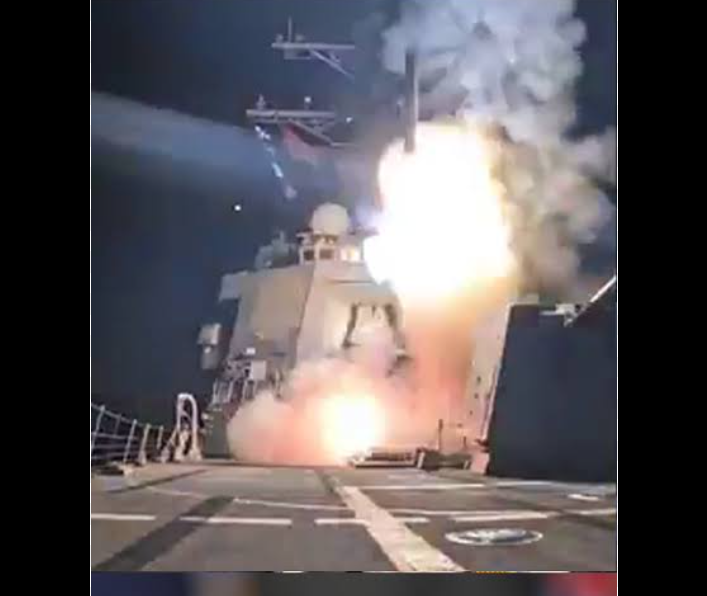
A fresh diplomatic and moral storm erupted online on Thursday after Nigerian media personality Sarki publicly lashed out at United States Congressman Bill Huizenga for celebrating a U.S.-backed airstrike on terrorist targets in Nigeria, a reaction that has reopened old wounds about foreign military involvement, national sovereignty, and the framing of Nigeria’s complex security crisis. What began as a victory lap by an American lawmaker quickly spiraled into a heated debate across Nigerian social media, where praise for the operation collided with anger, suspicion, and deeply rooted historical grievances.
The controversy followed a post by Rep. Huizenga on X, in which he applauded what he described as “decisive action” taken by President Donald Trump and the U.S. military, in coordination with the Nigerian government, to protect Christians from radical Islamist groups operating in the country. In the post, Huizenga referenced a recent congressional delegation visit to Nigeria, claiming it revealed a shift within parts of the Nigerian government toward stronger protection of Christians and firmer action against groups terrorizing both Christians and moderate Muslims. He framed the strike as a necessary intervention, invoking past global failures such as Rwanda and South Sudan, and argued that the United States was demonstrating that targeted killings in Nigeria were being taken seriously.
While the statement resonated with some international observers and segments of Nigeria’s Christian community who have long complained of neglect and insecurity, it struck a raw nerve among many Nigerians, none louder than Sarki. Known for his outspoken commentary on politics and global affairs, the media personality reacted with fury, accusing the U.S. lawmaker of trivializing Nigerian lives and turning a deeply painful security crisis into a political talking point. Sarki’s response, which quickly gained traction online, questioned the morality of celebrating airstrikes on Nigerian soil and warned against what he described as a dangerous narrative that reduces Nigeria’s internal conflicts to a simplistic religious war.
At the heart of the backlash is a familiar Nigerian fear: that foreign powers often misunderstand, oversimplify, or exploit the country’s security challenges for their own ideological or political agendas. Sarki’s criticism echoed a broader sentiment that while terrorism is real and devastating, public jubilation by foreign politicians over military action in Nigeria feels disrespectful, especially when civilian suffering, displacement, and unresolved root causes remain part of the story. To critics, Huizenga’s language appeared triumphalist, lacking sensitivity to the lived realities of communities caught between insurgents and military operations.
Supporters of the airstrike, however, argue that outrage misses the point. They insist that decisive military action against terror groups is long overdue and that international support, particularly from the United States, can help fill gaps in intelligence, logistics, and deterrence. For this camp, Huizenga’s statement simply acknowledged a rare moment of clarity and resolve in addressing violence that has claimed thousands of lives over the years. They argue that condemning the strike risks emboldening extremist groups and discouraging global partners from assisting Nigeria in its fight against terror.
Still, the framing of the operation as primarily about protecting Christians drew particular criticism. Nigeria’s security crisis, analysts note, is far more complex than a single religious narrative. Terror groups have targeted churches, mosques, markets, schools, and villages, killing Christians, Muslims, and people of other beliefs alike. By emphasizing one religious group, critics argue, Huizenga’s message risks deepening divisions and reinforcing the false idea that Nigeria’s violence is solely a religious conflict rather than a mix of extremism, criminality, weak governance, and economic desperation.
Sarki’s anger also tapped into long-standing anxieties about sovereignty. For many Nigerians, any foreign military action, even when coordinated with Abuja, raises uncomfortable questions about who truly controls security decisions and whose interests are ultimately being served. Public celebration by a U.S. lawmaker, they argue, reinforces perceptions of Nigeria as a battlefield for external powers rather than a sovereign nation grappling with internal challenges. The tone, more than the action itself, became the focal point of outrage.
Online reactions reflected Nigeria’s deep polarization on security matters. Some users applauded Sarki for “saying what many are thinking,” accusing Western politicians of hypocrisy and selective outrage. Others slammed him for undermining efforts to combat terrorism and accused critics of romanticizing sovereignty while communities continue to suffer attacks. The debate spilled beyond Nigeria, drawing comments from diaspora voices, human rights advocates, and political observers who weighed in on whether foreign intervention helps or harms fragile states.
The Nigerian government, for its part, has remained cautious in its public messaging. While officials have acknowledged security cooperation with international partners, they have avoided the celebratory tone seen in Huizenga’s post, instead emphasizing professionalism, legality, and the broader goal of restoring peace. This contrast has only intensified scrutiny of the congressman’s remarks, with critics asking why a foreign politician appeared more eager to claim victory than Nigerian authorities themselves.
Huizenga’s reference to Rwanda and South Sudan added another layer of controversy. For some, it signaled a genuine fear of repeating global failures to act in the face of mass violence. For others, it was an inappropriate comparison that glossed over the unique histories and contexts of those tragedies, while subtly positioning the United States as a moral arbiter. Sarki and others argue that such analogies, when paired with celebratory rhetoric, risk justifying violence without sufficient accountability or empathy.
As the dust settles, the episode highlights a persistent dilemma in Nigeria’s fight against terrorism: how to balance the need for decisive security action with the equally important demands of dignity, nuance, and national ownership of the narrative. It also underscores how words, especially from powerful foreign figures, can inflame tensions even when actions are intended to help.
For Sarki, the issue is not whether terrorists should be confronted, but how that confrontation is discussed and who gets to frame it. His furious response has ensured that Rep. Huizenga’s post will be remembered not just as a statement of support for an airstrike, but as a flashpoint in Nigeria’s ongoing struggle over security, sovereignty, and the right to tell its own story. In a digital age where a single tweet can spark international controversy, the clash serves as a reminder that in matters of war and peace, celebration is rarely neutral, and language can be as powerful—and as divisive—as bombs.
Popular Posts

“They Can Strike, But They Can’t Save Us”: Shehu Sani’s Warning as Nigeria Debates U.S. Military Involvement
26 Dec, 2025
Empty Bombs, Loud Applause: Sarki Slams U.S. Lawmaker Over Nigeria Airstrike Celebration
26 Dec, 2025
Former Broadway ‘Lion King’ Star Imani Dia Smith Stabbed to Death at 26 by Boyfriend in New Jersey
26 Dec, 2025Scroll to Top