Entertainment
Portable Places ₦500,000 Bounty on Impersonator as Fake “Zazu” Performance Sparks Online Frenzy
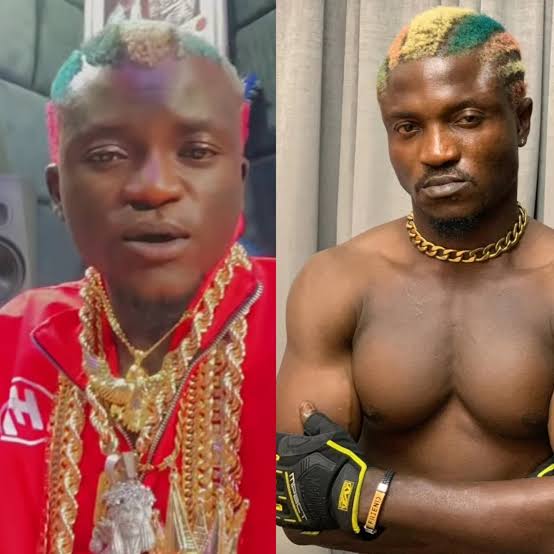
Controversial Nigerian street-pop singer Habeeb Okikiola, popularly known as Portable, has once again set social media ablaze after publicly placing a ₦500,000 bounty on an alleged impersonator caught performing his songs on stage without permission.
The dramatic declaration, delivered in Portable’s trademark fiery Pidgin English, has triggered a wave of reactions online, blending humor, outrage, and renewed debate about intellectual property theft in Nigeria’s entertainment industry.
The incident came to light after a video surfaced showing a man performing Portable’s hit songs at a public event while presenting himself in a manner that closely mimicked the singer’s style and persona. In response, Portable released a 67-second video rant, visibly angry and pacing as he addressed fans and critics alike.
In the clip, the “Zazu Zeh” crooner accused the impersonator of cashing in on his hard work and street credibility, insisting that nobody had the right to perform his songs publicly while pretending to be him.
Portable did not mince words. He announced that anyone who successfully arrested or handed over the impersonator would receive a cash reward of ₦500,000, a move that instantly drew attention for its dramatic flair and street justice tone. While some fans interpreted the statement as a serious threat, others saw it as classic Portable theatrics — loud, impulsive, and designed to dominate online conversations.
Beyond the drama, the episode has reignited concerns about the growing problem of impersonation and intellectual property abuse within Nigeria’s booming entertainment space. As economic pressure deepens and the hustle culture intensifies, cases of lookalikes performing as popular artists at small shows, clubs, and street events have become increasingly common. Portable’s case joins a list of similar complaints by African artists, including reports of Ghanaian star Black Sherif dealing with impersonators who allegedly collect performance fees using his image and sound.
For Portable, whose career was built from raw street exposure and viral momentum, the issue feels personal. Rising from the trenches of Ogun State to national prominence, the singer has consistently framed his success as a product of struggle, originality, and divine grace. In his outburst, he emphasized that his voice, lyrics, and stage presence are his livelihood — assets he believes should not be exploited by anyone seeking shortcuts to fame or money.
Online reactions to the bounty announcement were predictably mixed. Some supporters rallied behind the singer, arguing that artists deserve to protect their brands and earnings, especially in an industry where legal enforcement is often weak. Others urged Portable to calm down and pursue legal channels instead of inciting public confrontation, warning that such statements could escalate into violence or wrongful arrests.
A large portion of social media, however, treated the situation with humor. Memes quickly flooded X and Instagram, with users joking about “hunting season” for fake Portables and teasing that the impersonator should voluntarily turn himself in to claim the bounty. Some even sarcastically suggested that Nigeria now had its own version of a “wanted poster,” Portable-style.
Still, beneath the jokes lies a serious industry challenge. Nigeria’s creative sector, despite its global reach, continues to struggle with weak copyright enforcement, informal performance circuits, and limited protection for artists at grassroots levels. Many musicians, especially those without major label backing, find it difficult to track or legally confront impersonators who exploit their fame at local events.
Portable’s polarizing personality has also shaped public perception of the incident. Known for frequent clashes with fellow artists, promoters, and even fans, he has built a reputation for responding explosively to perceived disrespect. Critics argue that his approach often overshadows legitimate grievances, while supporters insist that his rawness is part of his authenticity and appeal.
This latest episode fits neatly into Portable’s long history of viral controversies — moments that simultaneously fuel criticism and keep him relevant in an overcrowded music landscape. Whether intentional or emotional, his reactions often dominate conversations far beyond the original issue, ensuring his name trends whenever conflict arises.
As of now, there has been no confirmation of any arrest or identification of the impersonator at the center of the controversy. It also remains unclear whether Portable intends to formally pursue legal action or if the bounty statement was purely rhetorical. What is certain, however, is that the situation has once again placed a spotlight on the fragile balance between street culture, fame, and ownership in Nigeria’s entertainment industry.
In an era where image and identity can be easily copied, Portable’s outburst may resonate with many artists who feel unprotected and unheard. While his method may be unconventional, the message is unmistakable: creative identity matters, and the fight to protect it is becoming louder, messier, and impossible to ignore.
Whether this saga ends in reconciliation, legal action, or just another viral moment, one thing is clear — when Portable speaks, the internet listens.
Watch the video below
“I have ₦500k for anyone who arrests my lookalike that’s performing my song on stage” — Portable.
— YabaLeftOnline (@yabaleftonline) December 23, 2025
pic.twitter.com/ncOzDOonJU
Twitter Post
Visit websitePopular Posts
US to Partially Suspend Visas for Nigerians from January 1, 2026, Stirring Widespread Concern
23 Dec, 2025
Anthony Joshua Set to Lose $66m to Tax After $140m Miami Fight Payday
23 Dec, 2025
Trump Administration Rolls Out $3,000 Incentive for Undocumented Migrants to Self-Deport During Holiday Season
22 Dec, 2025Scroll to Top