news
Precision from the Skies: Nigerian Military Hails U.S. Support as ISIS-Linked Terror Cells Are Hit in the Northwest
The Armed Forces of Nigeria have confirmed the successful execution of carefully planned precision airstrikes targeting foreign ISIS-linked terrorist elements operating in parts of North West Nigeria, marking another significant moment in the country’s ongoing battle against transnational terrorism and violent extremism. Conducted in close coordination with the United States, the operation underscores renewed international military cooperation aimed at weakening terrorist networks that have increasingly exploited Nigeria’s vast and difficult terrain.
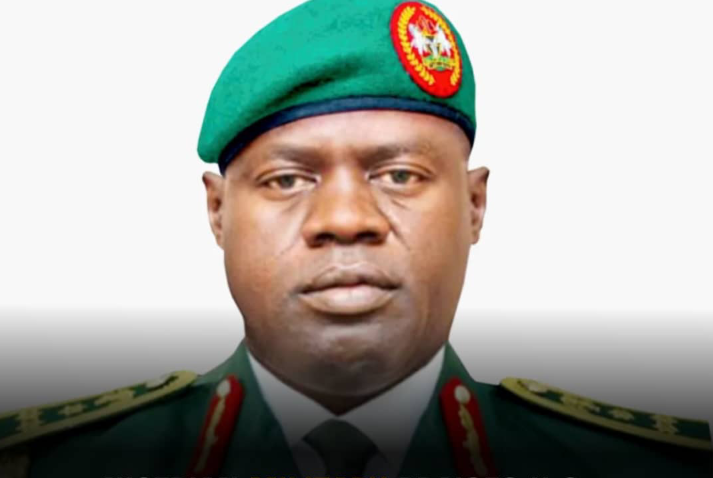
In a statement issued on Friday, the Director of Defence Information, Major General Samaila Uba, said the joint operation reflected the unwavering determination of the Federal Government to confront and dismantle terror groups whose activities threaten national stability, regional security, and civilian safety. According to him, the strikes were not random or reactive, but the result of credible intelligence gathering, detailed surveillance, and deliberate operational planning designed to neutralise key targets while limiting harm to non-combatants.
Uba explained that the operation specifically focused on foreign ISIS-linked fighters believed to have infiltrated the North West corridor, an area already grappling with banditry, arms trafficking, and cross-border criminal activity. He noted that the presence of such extremist elements represented a dangerous escalation, transforming local security challenges into a broader transnational threat. The successful strikes, he said, significantly degraded the operational capacity of the targeted groups and disrupted their ability to coordinate attacks, recruit fighters, and move weapons across porous borders.
Military sources emphasised that precision was central to the operation, with advanced targeting methods used to avoid civilian areas and critical infrastructure. This approach, according to defence officials, reflects lessons learned from years of counterinsurgency operations and growing public demand for security actions that protect civilian lives and property. Uba stressed that minimising collateral damage remained a top priority and that post-strike assessments were already underway to verify outcomes and guide next steps.
The announcement came just hours after U.S. President Donald Trump publicly confirmed that American forces had carried out airstrikes against ISIS targets in parts of northern Nigeria, including Sokoto State. His statement drew immediate attention both locally and internationally, reigniting debate over foreign military involvement in Nigeria’s internal security affairs. While the Nigerian military acknowledged the collaboration, it was careful to frame the operation as a joint effort carried out with Nigeria’s consent and in line with its national security objectives.
In the aftermath of the strikes, security agencies moved swiftly to secure affected locations and begin investigations. According to official briefings, ground forces were deployed to assess damage, gather intelligence materials, and ensure that no immediate threats remained. Local authorities also stepped in, with the council chairman, Hon. Suleiman Olatunji Omituntun, visiting impacted areas shortly after the incident to reassure residents and demonstrate government presence.
Residents in surrounding communities were urged to remain calm and vigilant, avoid spreading unverified information, and rely on official channels for updates. Local government officials reiterated their commitment to public safety and cooperation with security agencies, noting that community support remains vital in identifying suspicious movements and preventing the resurgence of extremist activity.
Confusion briefly arose following reports of explosions in Offa, prompting speculation about a possible connection to the U.S.-announced airstrikes. However, police authorities were quick to clarify that no link had been established between the Offa incident and the military operation in the North West. The Police Public Relations Officer, Toun Ejire-Adeyemi, confirmed that investigations into the Offa explosions were ongoing and that an official statement would be released once preliminary findings were concluded.
As of the time of reporting, no casualties had been recorded in relation to the precision strikes, a point repeatedly highlighted by defence officials as evidence of the operation’s accuracy. Analysts say this detail is particularly significant given past criticism of military actions that resulted in civilian harm, which often eroded public trust and fuelled resentment in affected communities.
Security experts view the joint operation as part of a broader shift in Nigeria’s counterterrorism strategy, one that increasingly recognises the cross-border and international dimensions of extremist threats. ISIS-linked factions in West Africa have adapted rapidly, exploiting weak border controls, local grievances, and criminal networks to expand their reach beyond traditional strongholds in the North East. The emergence of such elements in the North West has heightened concerns about the possibility of a wider security convergence between bandit groups and global jihadist movements.
For the Nigerian military, collaboration with the United States offers access to advanced intelligence capabilities, surveillance technology, and precision strike expertise that can tip the balance against well-armed and mobile terror cells. At the same time, officials have been keen to stress that Nigeria remains in control of its security operations, with foreign assistance framed as support rather than substitution.
Public reaction to the announcement has been mixed. While many Nigerians welcomed the strikes as a necessary blow against terrorism, others expressed caution, warning that foreign military involvement must be carefully managed to avoid sovereignty concerns and unintended consequences. Civil society groups have called for greater transparency, urging the government to keep citizens informed about the scope, rules of engagement, and long-term implications of such collaborations.
Nonetheless, the Armed Forces of Nigeria maintain that the operation sends a clear message to terrorist groups operating within the country’s borders: Nigeria will not serve as a safe haven for transnational extremism. Major General Uba reiterated that the military remains committed to sustained operations until all identified threats are neutralised, adding that intelligence-led actions would continue across multiple theatres.
As investigations proceed and security forces consolidate gains from the strikes, attention now turns to what comes next. Analysts argue that military success must be matched with stronger border management, community engagement, and socio-economic interventions to prevent extremist groups from re-emerging. For now, the precision airstrikes stand as a notable development in Nigeria’s evolving security landscape, highlighting both the complexity of modern counterterrorism and the growing role of international partnerships in confronting shared threats.
Popular Posts

From Child Star to Christmas Hospital Bed: The Troubling Turn in Tylor Chase’s Life
26 Dec, 2025
“I Don Stop”: 2Baba’s Playful Confession Leaves Fans Laughing, Rumours Deflated, and ‘Baddies’ Heartbroken
26 Dec, 2025
Precision from the Skies: Nigerian Military Hails U.S. Support as ISIS-Linked Terror Cells Are Hit in the Northwest
26 Dec, 2025Scroll to Top