Entertainment
Speed Darlington Opens Up About Losing Love Over Polygamy: ‘I Lost a Girl I Nearly Married Because I Was Too Honest’
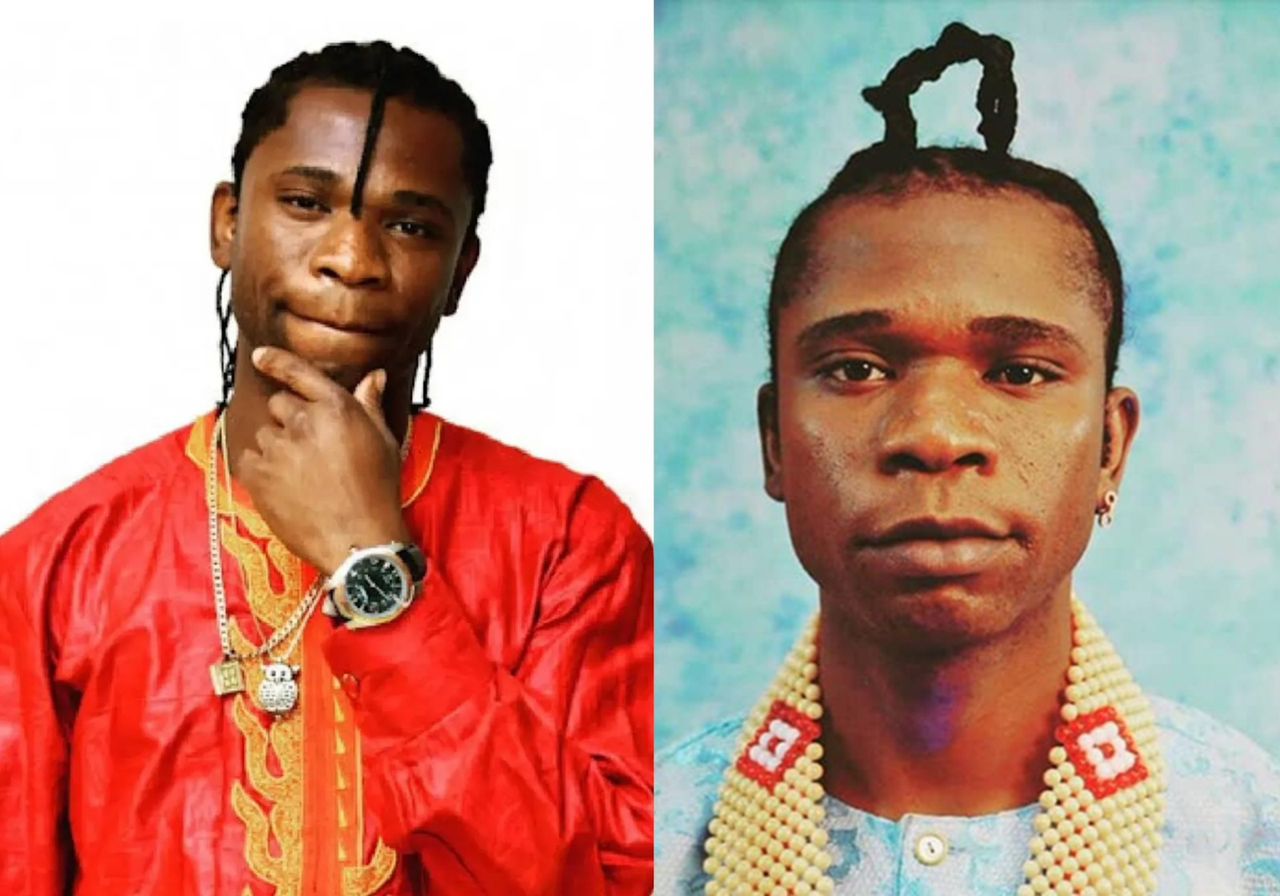
Nigerian musician, social media personality, and entrepreneur, Speed Darlington, has once again sparked conversation with his bold revelations about love, relationships, and the controversial topic of polygamy. In a candid interview, the fast-talking entertainer admitted that his honesty about being polygamous cost him a potential lifelong partner, a confession that has left fans and critics alike both stunned and intrigued. Known for his eccentric personality, outspoken nature, and ability to spark debate, Speed Darlington did not shy away from discussing the realities of his personal life, giving a rare glimpse into his complex romantic world.
“I talk to six different girls, you can’t be the only one. I lost a girl I nearly married because I was too honest about being polygamous,” Speed stated during a live session on social media, adding fuel to an already intense debate about modern relationships, honesty, and cultural norms. His revelation has drawn attention to the growing discourse on how polygamy, a practice still present in various African cultures, intersects with modern dating and emotional expectations. For many, the statement was shocking—not necessarily because polygamy exists, but because of the unapologetic honesty with which Speed admitted it.
Speed Darlington’s life has always been a blend of music, comedy, and outspoken opinions. Over the years, he has amassed a significant following across multiple social media platforms, where fans eagerly follow both his creative work and personal exploits. However, this recent confession takes his public persona into a more intimate and controversial space. By openly discussing his approach to relationships, he has challenged conventional norms that often prize monogamy and exclusivity, especially in romantic partnerships.
The Nigerian music scene is no stranger to artists who court controversy, but Speed’s statement has prompted a wider conversation about the expectations of honesty in relationships. “Being upfront about who I am and how I approach love is important to me,” he explained, elaborating on why he felt compelled to disclose his polygamous inclinations. “I didn’t want to pretend to be someone I’m not. I was about to marry someone, but I couldn’t compromise on honesty. That would have been unfair.”
His transparency has drawn both admiration and criticism. Some fans have applauded him for being honest, arguing that in a world filled with deceit and hidden agendas, his forthrightness is refreshing. They point out that, while polygamy is not widely accepted in contemporary dating culture, it is better to be honest about one’s beliefs and intentions rather than mislead a partner. “It’s rare to see someone say what they really mean. Speed is not just being selfish; he’s being responsible in his own way,” one fan commented on social media.
However, others have taken issue with his lifestyle, suggesting that dating multiple women simultaneously may be ethically and emotionally problematic. Critics argue that while honesty is important, the very notion of managing multiple relationships can lead to complications, heartbreak, and trust issues. “Being upfront doesn’t automatically make it okay. Polygamy is a choice, and it’s not for everyone. The fact that he lost someone he nearly married is proof that honesty alone isn’t enough to navigate love,” another social media user remarked.
Cultural context plays a significant role in understanding Speed Darlington’s perspective. Polygamy has historically been practiced in many African societies, often tied to tradition, social status, and wealth. In modern urban Nigeria, however, the practice has become less common and more controversial, especially among the younger, more globally influenced generation that largely embraces monogamy. Speed’s admission, therefore, is not just a personal revelation but also a cultural statement, highlighting the tension between traditional practices and contemporary relationship expectations.
In addition to stirring debate about personal values and cultural norms, Speed’s revelation also touches on the broader topic of vulnerability and emotional honesty in romantic relationships. Many people struggle with revealing their true selves to potential partners for fear of rejection or judgment. Speed’s experience underscores the delicate balance between authenticity and societal expectations. He made a conscious choice to reveal his truth, even though it meant losing someone he cared deeply about. This act, in many ways, challenges conventional notions of love and sacrifice.
Interestingly, Speed’s approach to relationships mirrors his broader public persona. He has built a career on being unapologetically himself, whether through music, social media antics, or business ventures. His fans have come to expect boldness, unconventional thinking, and fearless honesty from him. Yet, even for someone so accustomed to public scrutiny, admitting that he lost a nearly matrimonial relationship due to his lifestyle is a vulnerable moment that humanizes him beyond the persona of the flamboyant entertainer.
The discussion generated by Speed’s comments also sheds light on changing dynamics in the dating world, particularly in Nigeria. As more young people navigate love in a digital era of dating apps, social media interactions, and increased exposure to global dating norms, the boundaries of acceptable relationship structures are evolving. Speed’s polygamous approach may seem unconventional, but it reflects the diverse ways in which individuals negotiate love, commitment, and personal identity in today’s society.
Despite the controversy, Speed Darlington’s honesty may offer a valuable lesson about communication and self-awareness in relationships. Being upfront about intentions, even when socially uncomfortable, can prevent misunderstandings, heartbreak, and long-term resentment. It also sparks important conversations about consent, boundaries, and compatibility—issues that are increasingly relevant in a society where dating culture is rapidly evolving.
In conclusion, Speed Darlington’s revelation about losing a near-marital relationship because of his honesty about polygamy has resonated with many Nigerians and fans worldwide. It is a stark reminder that love and relationships are complicated, often requiring both personal integrity and cultural sensitivity. His statement challenges societal norms, ignites debate about the role of honesty in modern relationships, and underscores the importance of being true to oneself, even at a significant emotional cost.
Whether one agrees or disagrees with his lifestyle, Speed Darlington’s candid confession highlights the timeless tension between societal expectations and individual authenticity. It reminds us that love is rarely straightforward, that honesty can be both a blessing and a burden, and that navigating the complexities of the heart requires courage, self-awareness, and sometimes, the willingness to face loss for the sake of truth. As discussions continue online and offline, Speed’s words will likely remain a reference point in conversations about modern love, cultural norms, and the enduring quest for authentic connection in an increasingly complex world.
Popular Posts

US to Partially Suspend Visas for Nigerians from January 1, 2026, Stirring Widespread Concern
23 Dec, 2025
Anthony Joshua Set to Lose $66m to Tax After $140m Miami Fight Payday
23 Dec, 2025
Trump Administration Rolls Out $3,000 Incentive for Undocumented Migrants to Self-Deport During Holiday Season
22 Dec, 2025Scroll to Top