Entertainment
“They Don’t Really Care About Us”: Huddah Monroe’s Bold Anti-Motherhood Stand Sparks Nationwide Debate
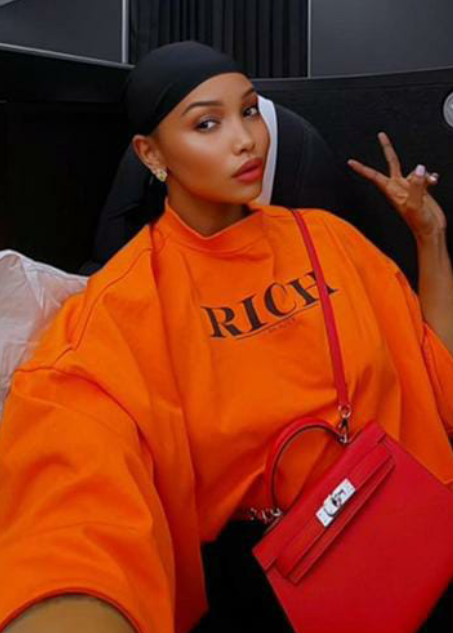
Kenyan socialite and entrepreneur Huddah Monroe has once again sent social media into a frenzy after making a sweeping declaration that she has no intention of ever bringing a child into the world. In a post that has since attracted massive attention across East Africa and beyond, Huddah stated boldly that “Nothing in this world could ever convince me to bring a child into it,” a remark that instantly ignited emotional reactions, heated arguments, and introspective conversations about motherhood, societal pressure, and the harsh realities of modern life.
Her post, shared under her well-known handle huddahthebosschick, carried an unmistakably frustrated tone. She concluded her statement with a powerful line: “All I really wanna say is that THEY DON’T REALLY CARE ABOUT US!!!”—a sentiment that echoed the late Michael Jackson’s famous protest message and suggested deep dissatisfaction with societal systems, human values, and the current state of the world.
Within minutes, thousands of comments poured in, ranging from support to shock. While many women applauded her honesty and bravery for rejecting societal pressures, others attacked her stance, calling it selfish or overly pessimistic. The debate grew even more intense when a commenter declared that “kids are an investment,” prompting Huddah to clap back by labeling such thinking “old school,” insisting that this generation is no longer bound by traditional expectations of marriage and motherhood.
Huddah Monroe has always been known for her fiercely independent personality, but this recent statement hit differently. It was not wrapped in humor, flirtation, or her usual flamboyant tone. Instead, it felt raw—almost like a personal revelation that reflected a growing global trend among young women who feel overwhelmed by economic instability, societal chaos, mental health struggles, and questions about whether the world is truly safe or nurturing enough for children.
Her statement taps into a broader conversation happening worldwide: more millennials and Gen Zs are questioning traditional milestones like marriage and childbearing. With rising living costs, political tension, and overwhelming access to global suffering through social media, many feel the world is becoming too hostile. For some, like Huddah, the idea of raising a child in such an unpredictable environment feels more like a burden than a blessing.
But critics argue that such statements glamorize a life without responsibility and undermine the value of family and continuation of lineage. Some even accused her of using shock value for online traction. However, those close to the controversy insist that her message wasn’t for attention—it was a genuine expression of personal conviction shaped by lived experiences and observations.
For a long time, Huddah has been vocal about emotional struggles, betrayal, societal hypocrisy, and her frustrations with human behavior. Her latest claim that “they don’t really care about us” paints a picture of a woman who has lost faith in humanity’s compassion. It also reflects the mindset of countless young people who feel abandoned by governments, institutions, and community support systems. Many believe her message resonates because it exposes a shared exhaustion with a world that increasingly feels chaotic and unforgiving.
Supporters flooded her page with messages like “You’re speaking for many women” and “Not everyone is meant to be a mother, and that’s okay.” Others thanked her for being courageous enough to voice what many secretly feel but are afraid to admit due to cultural judgment. A large number of commenters noted that the pressure on African women to marry and reproduce remains extremely high, and anyone who rejects that path is often labeled as rebellious or damaged. For them, Huddah’s declaration was an act of liberation.
However, the opposing camp argued strongly that children are a blessing and that refusing motherhood because of societal issues is a narrow outlook. Some maintained that even in difficult times, parents have always raised children and contributed to building better communities. To them, Huddah’s perspective was simply too bleak. Still, her supporters countered that bringing a child into the world should never be a response to tradition or external pressure but a deeply personal choice based on emotional readiness, stability, and genuine desire.
Some psychologists weighed in online, noting that Huddah’s remarks highlight an important shift: Women are finally beginning to unapologetically choose themselves. For decades, motherhood has often been seen as the ultimate identity and achievement for women, especially in African societies. But modern women are demanding the freedom to define their lives beyond reproduction. The ability to say “no” to childbirth is slowly being seen as an act of autonomy rather than defiance.
Financial factors also played a big part in the conversation. Many young Africans pointed out that raising a child in today’s economy requires resources that many simply don’t have. From school fees to quality healthcare and the pressure for early development, the cost of raising a child has skyrocketed. With unemployment still a major challenge among the youth, some say Huddah’s stance is a logical response to economic realities rather than a dismissal of the value of children.
Others speculated that her perspective might be shaped by personal heartbreaks and losses she has experienced over the years. Huddah has previously opened up about her troubled childhood, depression, and several traumatic experiences that shaped her tough personality. Those who understand her journey believe her distrust in the world is deeply rooted in pain and survival. Her followers argued that such a background can easily influence someone’s decision about motherhood.
As the conversation continued to spread, it was clear that this wasn’t just another celebrity rant. Huddah Monroe had triggered a cultural moment—a rare opportunity for African society to reflect on long-held views about womanhood. Whether one agrees with her or not, her remarks forced many to confront uncomfortable questions: Why do we expect all women to have children? Why is choosing not to be a mother seen as abnormal? And how much responsibility does society carry in creating a world that people feel safe bringing children into?
By the end of the day, Huddah’s comment section had transformed into a global debate forum. Some praised her for her honesty, while others urged her to reconsider. But through all the backlash and support, one thing became clear: She is unwavering in her decision, unapologetically choosing a path that defies tradition and challenges societal norms. For Huddah Monroe, motherhood is not an obligation—it’s a choice she refuses to make simply because the world expects it.

Her message may be controversial, but it reflects a shift in the mindset of many women who prioritize mental peace, financial stability, safety, and emotional freedom over societal expectations. Whether her stance will evolve over time remains unknown, but for now, Huddah has made her position unmistakably clear. And as the world continues to debate her bold declaration, she remains firm: nothing—and no one—can convince her otherwise.
Popular Posts
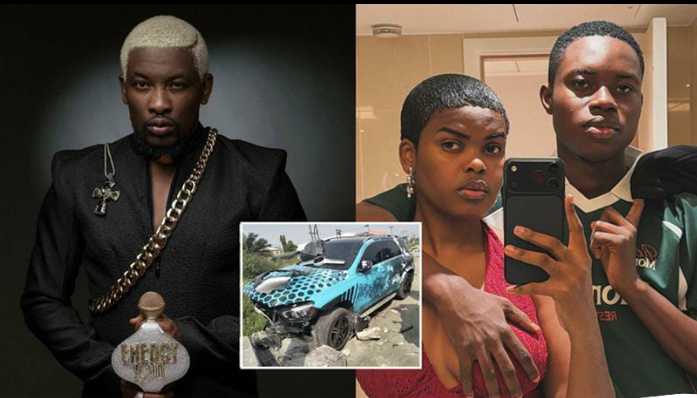
“A Ticking Time Bomb”: Dotun’s Blunt Warning Sparks Fresh Debate After Peller’s Car Crash Drama
15 Dec, 2025
FRSC Warns Celebrities as TikToker Peller Faces Prosecution Over Road Crash
15 Dec, 2025
19-Year-Old Girl Allegedly Stabs Boyfriend to Death During Infidelity Fight in Ogun State
15 Dec, 2025Scroll to Top