news
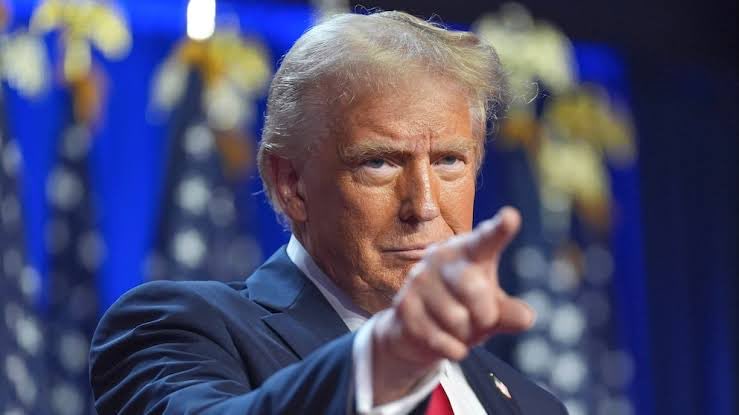
Trump Takes on the BBC: President Files $10 Billion Lawsuit Over Alleged Manipulation of Capitol Riot Speech
In a dramatic escalation of his long-running battles with the media, United States President Donald Trump has filed a lawsuit seeking at least $10 billion in damages from the British Broadcasting Corporation, accusing the international news organization of deceptively editing a documentary that featured footage from his January 2021 speech to supporters ahead of the US Capitol riot. The lawsuit, initiated on Monday, alleges that the BBC manipulated the sequence and context of Trump’s words in a way that falsely portrayed him as directly inciting violence, a claim Trump has repeatedly denied since the events of that day shook American democracy and reverberated across the world.
According to legal filings, Trump’s attorneys argue that the documentary in question selectively cut and rearranged portions of his speech delivered near the White House on January 6, 2021, creating what they describe as a “materially false narrative” about his intent and actions. The lawsuit claims the editing removed qualifying statements where Trump urged supporters to act “peacefully” and “lawfully,” while emphasizing more combative rhetoric without the surrounding context. Trump’s legal team insists that this approach crossed the line from journalism into deliberate distortion, damaging his reputation both in the United States and internationally.
The BBC documentary, which examined the buildup to the Capitol riot and its aftermath, was widely circulated on television and digital platforms, reaching millions of viewers worldwide. Trump’s lawsuit contends that the global reach of the BBC magnified the alleged harm, contributing to what it calls “ongoing defamation” that continues to influence public opinion about his presidency and his role in one of the most controversial moments in modern American political history. By seeking a minimum of $10 billion in damages, the filing signals Trump’s intention not only to challenge the BBC’s editorial decisions but also to make a broader statement about accountability in international media.
In a statement released shortly after the lawsuit was filed, Trump described the documentary as “one of the most egregious examples of fake news ever broadcast,” accusing the BBC of knowingly misleading viewers to fit a predetermined political narrative. He framed the legal action as part of a wider effort to push back against what he has often referred to as “dishonest media,” reiterating his long-held belief that powerful news organizations wield disproportionate influence without sufficient consequences for errors or bias. “This was not a mistake,” Trump said, according to the statement. “It was a calculated attempt to rewrite history.”
The BBC has responded cautiously, defending its journalism while stopping short of addressing the lawsuit’s specifics in detail. A spokesperson for the broadcaster said the organization “stands by the integrity and accuracy” of its reporting and documentary practices and will “vigorously defend” itself against the claims. The spokesperson emphasized that the documentary was produced following established editorial standards and based on widely available footage and public records, suggesting that the lawsuit raises fundamental questions about press freedom and the ability of journalists to scrutinize powerful political figures.
Legal experts note that the case is likely to be complex and contentious, particularly given the cross-border nature of the dispute. While Trump filed the suit in a US court, the BBC is a UK-based public broadcaster, potentially raising jurisdictional and legal standard issues. Defamation laws in the United States set a high bar for public figures, requiring proof of “actual malice,” meaning the plaintiff must show that the publisher knowingly broadcast false information or acted with reckless disregard for the truth. Trump’s legal team appears prepared to argue that the alleged editing choices meet that standard, a claim that will be heavily scrutinized as the case progresses.
The lawsuit also reopens broader debates about the role of editing in documentary filmmaking and news reporting. Supporters of Trump argue that selective editing can profoundly shape audience perception, especially in emotionally charged political contexts. Critics, however, contend that all documentaries involve editorial judgment and that accusations of manipulation are often used by politicians to discredit unfavorable coverage. The outcome of the case could have implications beyond the immediate parties, potentially influencing how media organizations approach politically sensitive material in the future.
Since leaving office in 2021, Trump has remained a dominant figure in American politics, frequently using legal action as a tool to challenge critics and adversaries. He has filed or threatened lawsuits against several media outlets over the years, often framing them as battles for truth and fairness. This latest action against the BBC stands out for its sheer scale and its international dimension, underscoring Trump’s willingness to confront not only domestic media but also influential global institutions.
The January 6 Capitol riot remains a deeply polarizing event, with ongoing legal, political, and historical ramifications. Multiple investigations, congressional hearings, and court cases have examined the causes and consequences of the violence, as well as Trump’s conduct before and during the day. While some view Trump’s speech as a catalyst that inflamed tensions, others argue that responsibility lies with individuals who chose to engage in violence, not with political rhetoric protected by free speech. Trump’s lawsuit against the BBC is, in many ways, an extension of this unresolved national debate, now playing out on an international legal stage.
As news of the lawsuit spreads, reactions have been swift and divided. Trump supporters have praised the move as a long-overdue challenge to what they see as biased global media coverage, applauding the president for “standing up to misinformation.” Detractors, meanwhile, have accused Trump of attempting to intimidate journalists and rewrite the narrative of January 6 through the courts rather than public accountability. Media freedom advocates are watching closely, warning that large financial claims against news organizations can have a chilling effect on investigative reporting.
For now, the legal battle is just beginning. Court filings, motions, and potential hearings will likely stretch over months, if not years, keeping the controversy firmly in the public eye. Whether the case results in a courtroom showdown, a settlement, or dismissal, it has already reignited fierce conversations about truth, power, and responsibility in the age of global media.
In suing the BBC for $10 billion, Donald Trump has once again positioned himself at the center of a high-stakes confrontation that blends politics, media, and law. The case promises to test not only the strength of the former president’s claims but also the resilience of journalistic institutions facing unprecedented legal and political pressure. As both sides prepare for a protracted fight, one thing is clear: the battle over how January 6 is remembered and portrayed is far from over.
Popular Posts
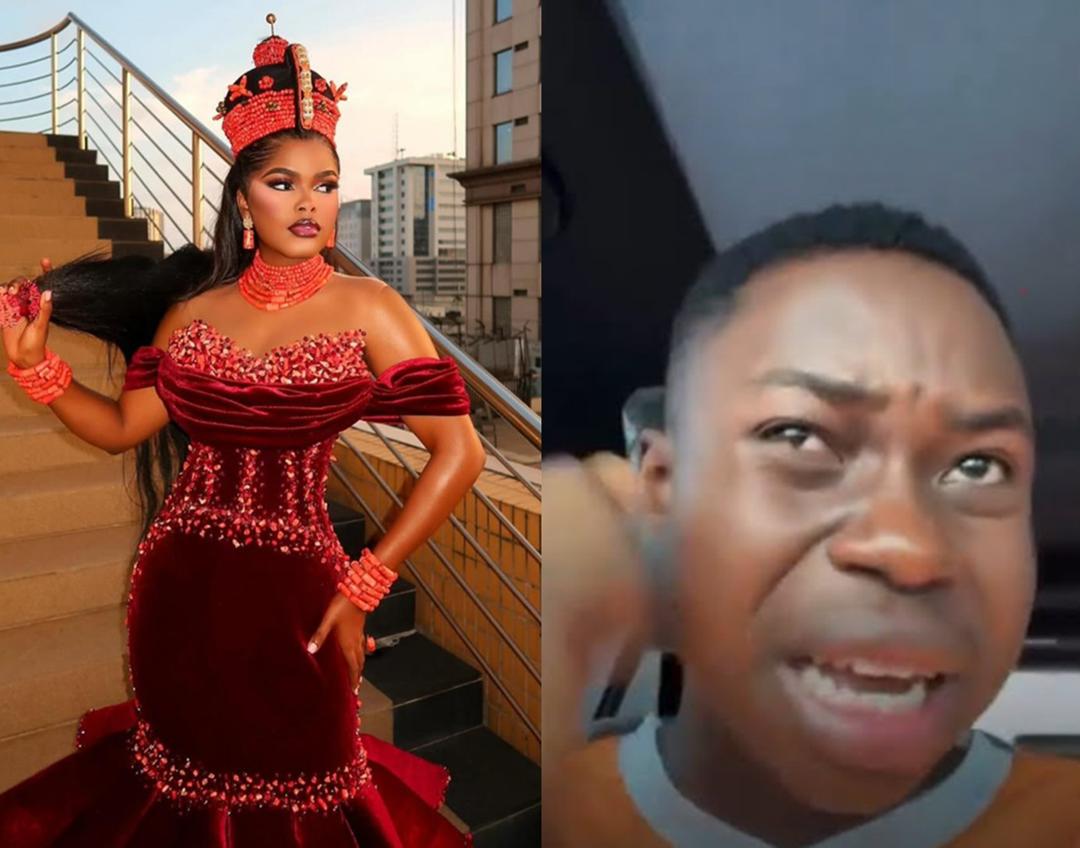
“Please Stop Mocking Peller”: Jarvis Calls for Compassion as She Confirms Their Relationship Is Over—for Now
16 Dec, 2025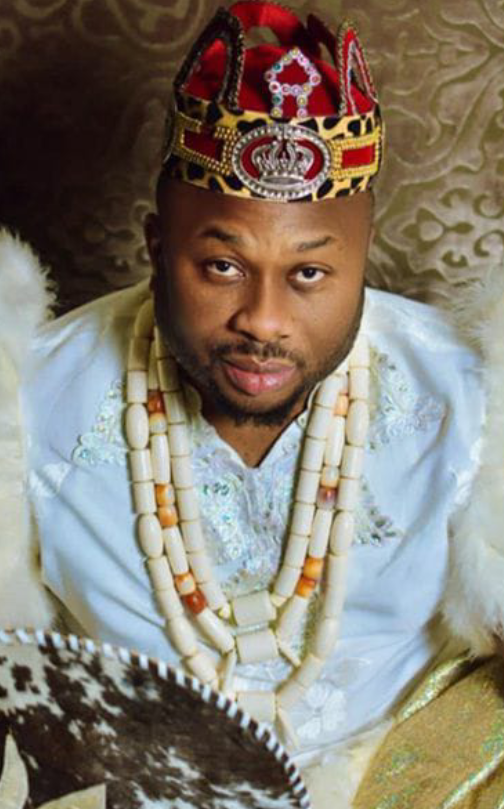
“Confess Your Own”: Olakunle Churchill Faces Backlash After Cryptic Post Sparks Online Storm Following Tonto Dikeh’s Viral Testimony
16 Dec, 2025
Jarvis Relocates to UK After Breakup With Peller as TikTok Love Story Ends in Chaos
16 Dec, 2025Scroll to Top