news
U.S. Airstrikes in Nigeria Ignite Controversy as Sowore Accuses Tinubu and Trump of Mutual Deception
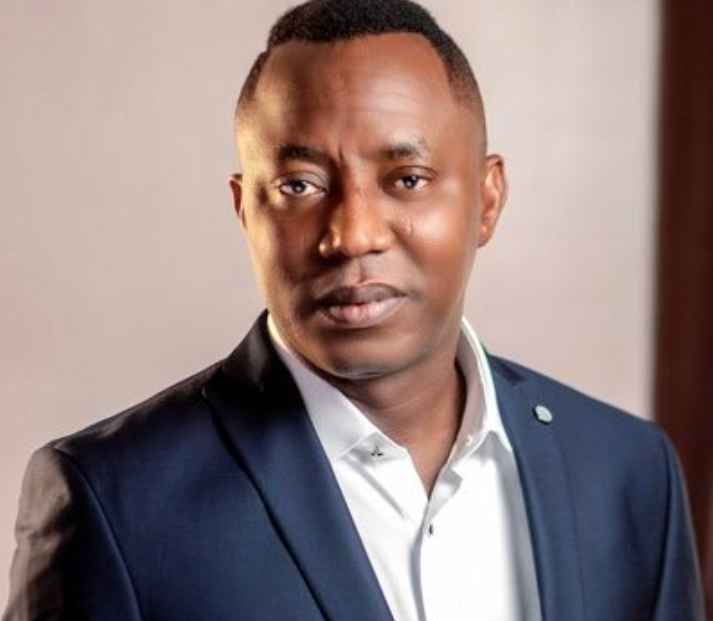
In a sharply worded statement that has sent shockwaves through political and media circles, Nigerian activist Omoyele Sowore has accused President Bola Ahmed Tinubu and former U.S. President Donald Trump of engaging in a dangerous cycle of deception, both with each other and their citizens. The allegations, made on social media, come in the wake of recent U.S. airstrikes in Nigeria, which have left many questioning the transparency and legitimacy of intelligence shared between the two countries.
Sowore’s critique, delivered on his X.com account, centers on the claim that the airstrikes targeted locations that may not even exist, or at least, were not properly verified. He painted a picture of leadership failures on both sides of the Atlantic, highlighting how misinformation can lead to deadly consequences. “In this era of failed Nigerian leadership, truth has become the first casualty,” he wrote. “Twenty-four hours after the bombing, neither Nigeria nor its so-called international partners can provide clear, verifiable information about what was actually struck.”
The activist's comments underscore growing concerns about foreign military interventions and the intelligence used to justify them. In particular, Sowore criticized President Tinubu for allegedly providing the U.S. with questionable intelligence, creating what he described as “a closed loop of deception.” According to Sowore, this loop results in a scenario where leaders are lying to their own citizens while simultaneously feeding misinformation to one another, which then translates into real-world military operations with lethal outcomes.
On the U.S. side, Sowore did not spare Trump, accusing the former president of using fear-based rhetoric to justify actions while simultaneously contradicting his public persona. “Trump is scaring Americans claiming he is protecting Christians while banning the very Christians he professes to defend from entering the United States,” he argued. This criticism highlights the contradictions Sowore sees in how leaders communicate publicly versus how they act in practice, a theme that resonates strongly given the global attention on U.S. foreign policy and immigration policies in recent years.
The timing of Sowore’s accusations coincides with an already tense period in Nigerian politics. President Tinubu’s administration has faced criticism over a range of issues, from domestic security challenges to economic policies that many perceive as failing to deliver tangible benefits for ordinary Nigerians. The airstrikes have further fueled skepticism, as citizens and journalists alike struggle to obtain concrete details about the targets, their strategic importance, and the resulting impact on local populations.
Experts in international relations and security have weighed in, noting that misinformation and unclear communication can exacerbate already volatile situations. When intelligence is shared between nations without adequate verification, it can lead to military actions that not only fail to achieve strategic objectives but also endanger civilians and worsen existing conflicts. Sowore’s statement taps into this concern, calling attention to the potentially catastrophic consequences of unchecked political narratives.
Moreover, the activist framed the situation as a symptom of a broader global problem: the ease with which misinformation can be weaponized by those in power. By highlighting both Tinubu and Trump, Sowore is drawing attention to how political leaders, irrespective of nationality, may exploit fear, religion, and nationalism to justify actions that would otherwise face intense scrutiny. “Nobody but ourselves can fix our countries,” he concluded, urging citizens to take responsibility for holding their governments accountable.
The response to Sowore’s post has been mixed, with supporters praising his boldness and critics questioning the accuracy of his claims. Social media platforms have been abuzz with debates over the veracity of the intelligence used to justify the airstrikes, the role of international partnerships in military interventions, and the broader ethical implications of such actions.
Journalists and commentators have pointed out that the lack of transparency in this case is not unique to Nigeria or the United States. Around the world, military operations often proceed based on intelligence that is not fully disclosed to the public, raising questions about accountability and oversight. In Nigeria, this issue is compounded by an environment where access to reliable information is already limited, making it difficult for citizens to separate fact from rumor.
Sowore’s comments also highlight the interconnectedness of domestic and international politics. Decisions made by leaders in one country can have ripple effects far beyond their borders, particularly when military force is involved. By accusing Tinubu and Trump of feeding each other false information, Sowore is suggesting that a lack of integrity in leadership anywhere can translate into violence and instability elsewhere.
The airstrikes themselves remain shrouded in uncertainty. Local reports and independent investigations have struggled to confirm the extent of the damage or the precise targets. Residents in affected areas have described confusion and fear, while some community leaders have demanded greater transparency from both Nigerian and U.S. authorities. In this context, Sowore’s call for accountability resonates with a public increasingly frustrated by a perceived lack of openness in governance and military operations.
Analysts warn that the controversy surrounding these airstrikes could have long-term consequences for Nigeria’s international relations. Allegations of misleading intelligence and opaque operations could strain partnerships, erode trust, and complicate efforts to address terrorism and security challenges collaboratively. For the U.S., questions about the reliability of foreign intelligence partners and the ethical considerations of airstrikes in foreign territories may also become subjects of scrutiny in policy and congressional hearings.
Sowore’s commentary, while incendiary, taps into deep-seated anxieties about leadership, transparency, and accountability. His critique underscores a central question that many citizens around the world are asking: How can governments claim to protect their people if they mislead them and rely on misinformation to guide military action? The statement also serves as a reminder that citizens are not powerless; in Sowore’s view, vigilance, awareness, and activism are essential tools for demanding accountability from those in power.
As the debate unfolds, one thing is clear: the U.S. airstrikes in Nigeria and Sowore’s subsequent accusations have ignited a broader conversation about truth, leadership, and responsibility in an era where misinformation can have deadly consequences. Whether governments will respond to these criticisms with clarity and transparency remains to be seen, but for activists like Sowore, the imperative is urgent. The challenge, he argues, is not only in holding leaders accountable but also in ensuring that citizens remain informed and engaged in the political processes that affect their lives.
In the end, the controversy exposes a larger issue facing many nations today: the fragile relationship between power, information, and the public. When leaders manipulate narratives or fail to communicate transparently, the results can be catastrophic. Sowore’s warning is stark but simple: the health of any democracy depends on truth, and when truth becomes the first casualty, societies bear the consequences in ways that are both immediate and enduring.
Popular Posts
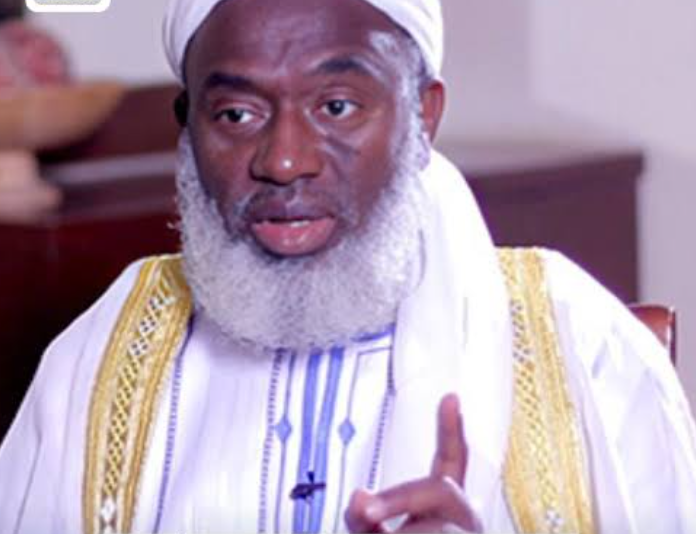
“They Are Part of Us”: Sheikh Gumi’s Call for Coexistence Rekindles Nigeria’s Herdsmen Debate
27 Dec, 2025
Night of Fear in Kwara: Gunmen Raid Adanla Community, Abduct Residents and Deepen Security Concerns
27 Dec, 2025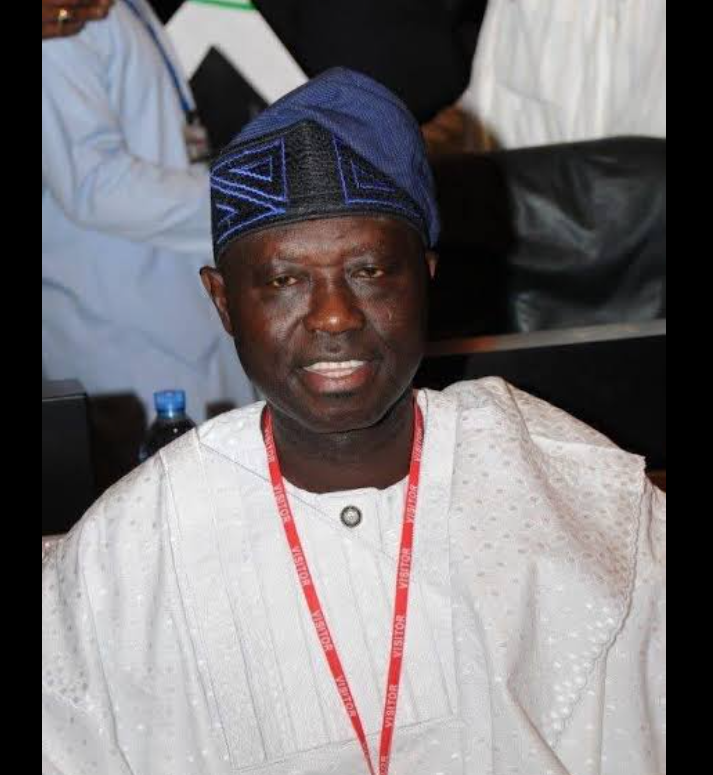
“He’s the One in Charge”: Ex-Minister’s Explosive Claims Reignite Debate Over Deji Adeleke’s Grip on Osun Politics
27 Dec, 2025Scroll to Top