Entertainment
VDM Joins the Firestorm: Doris Ogala’s Emotional Claims, Chris Okafor Saga and Unverified Allegations Mentioning Prophet Jeremiah
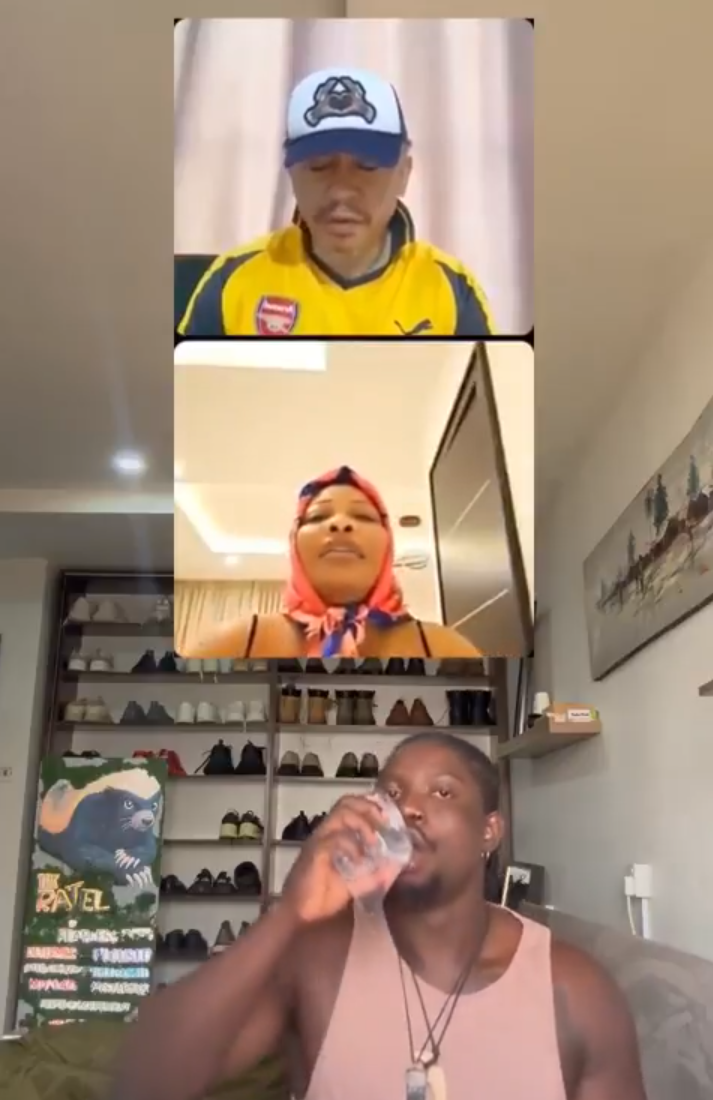
A fresh wave of controversy has swept through Nigeria’s online space after social media activist and commentator VeryDarkMan, popularly known as VDM, reacted to a circulating video of actress Doris Ogala in which she made explosive statements touching on powerful religious figures. The reaction has intensified public debate already ignited by Ogala’s emotional revelations about her past relationship with Pastor Chris Okafor, while also pulling Prophet Jeremiah Omoto Fufeyin into the conversation through claims that remain unconfirmed.
Before delving into the broader discoveries surrounding Doris Ogala, Chris Okafor and Prophet Jeremiah, a message has been directed to women who may feel unheard. If there is any woman who has actually been sexually taken advantage of by Prophet Jeremiah Omoto Fufeyin and is afraid to speak up due to alleged intimidation or fear of the authorities, support is being offered. Some women, it is claimed, have previously felt silenced or pressured, particularly by the police, and are being encouraged to come forward if they are ready. At the same time, it is important to state clearly that no official investigation or verified report has confirmed any such allegation against Prophet Jeremiah at this time.
The controversy gained fresh momentum after VDM reacted publicly to a video in which Doris Ogala appeared visibly distressed and emotionally overwhelmed. In the video, Ogala referenced alleged wrongdoing involving religious leaders, including a statement suggesting that Prophet Jeremiah had allegedly sexually exploited someone. VDM, known for amplifying trending controversies and demanding accountability, responded by drawing attention to the claims while also acknowledging that the allegation against Prophet Jeremiah has not been confirmed by any authority or court.
VDM’s reaction quickly went viral, with supporters praising him for giving visibility to sensitive issues and critics accusing him of escalating unproven claims. In his response, VDM emphasized the need for facts, urging that allegations—especially those as serious as sexual exploitation—must be backed by evidence. He also stressed that while victims deserve a safe space to speak, the public must avoid concluding guilt before proper investigation.
Doris Ogala, whose emotional breakdown sparked the renewed attention, has been at the center of intense public scrutiny in recent days. The actress alleged that she was involved in a long, secret relationship with Pastor Chris Okafor, claiming it lasted several years and deeply affected her personal life. She said she made major sacrifices, including ending a previous marriage, based on promises she believes were later broken. Her accounts, shared across social media, painted a picture of emotional trauma, loss, and regret.
In tearful videos, Ogala spoke about mental health struggles, including suicidal thoughts, and accused Okafor of betraying her trust. She alleged that private moments were mishandled and that personal experiences were turned into public narratives without her consent. These claims triggered mixed reactions online, with some Nigerians expressing sympathy and others questioning why such issues were being aired publicly rather than resolved privately or legally.
The actress has since stated her intention to pursue legal action, insisting she has evidence to support her claims. This declaration shifted the saga from social media drama into a potential courtroom battle, raising questions about privacy, consent, and accountability among public figures, particularly religious leaders who command large followings.
As Ogala’s story dominated headlines, her comments referencing Prophet Jeremiah added another layer of complexity. The mention, though brief, was enough to ignite speculation, especially given Prophet Jeremiah’s prominence and past controversies related to his ministry. However, it bears repeating that there has been no verified confirmation, police charge, or court case linking Prophet Jeremiah Omoto Fufeyin to sexual exploitation allegations.
Prophet Jeremiah has previously been in the news over regulatory and doctrinal controversies, including disputes over miracle products and public criticism from commentators and religious bodies. His supporters have consistently defended him, while critics argue that charismatic leaders should be subjected to greater scrutiny. Still, none of these past issues have involved proven sexual misconduct allegations.
VDM’s involvement has amplified the situation significantly. As a polarizing online figure, his reactions often shape public opinion and drive narratives beyond their original scope. In this case, his response served both as a spotlight and a caution, highlighting the allegation while reminding audiences that it remains unverified. The tension between raising awareness and risking misinformation has become a central theme of the discussion.
Public reaction has been deeply divided. Some Nigerians argue that women rarely speak out against powerful men unless pushed to the edge, pointing to systemic issues of intimidation, victim-shaming, and institutional silence. Others warn that social media trials can destroy reputations irreversibly, especially when allegations are not substantiated.
Legal experts and mental health advocates have also weighed in, urging restraint and compassion. They emphasize that alleged victims should be encouraged to seek professional, legal, and psychological support, while accused individuals deserve the presumption of innocence until proven otherwise. The call is for proper investigations, not online convictions.
The unfolding drama reflects a broader reckoning in Nigerian society about power, influence, and accountability. Religious leaders hold immense sway over followers, and allegations—true or false—carry significant consequences. At the same time, survivors of abuse often face immense barriers to justice, especially when the accused are influential.
As it stands, the only confirmed elements of this saga are Doris Ogala’s personal allegations against Chris Okafor and VDM’s reaction to her video, which included reference to an unconfirmed claim involving Prophet Jeremiah. Everything else remains subject to investigation, clarification, or legal determination.
In a media environment driven by virality, the line between awareness and accusation is thin. What is clear is that Nigeria is once again confronting uncomfortable questions about silence, courage, truth, and responsibility. Whether these revelations lead to justice, reform, or further controversy will depend not on social media outrage alone, but on facts, evidence, and the rule of law.
For now, the nation watches closely as emotions run high, reputations hang in the balance, and voices—both verified and alleged—continue to rise, demanding to be heard.
Before we talk about those whole (DORIS OGALA,CHRIS OKAFOR AND PROPHET JEREMIAH OMOTO FUFEYINS DISCOVERY) if there is any woman out there that have been xtually taken advantaged of by @prophetjeremiahomoto and you want to speak up,I am here for you,I understand that some of you… pic.twitter.com/XO39Mvecr9
— VERYDARKMAN (@vdmempire) December 17, 2025
Twitter Post
Visit websitePopular Posts

“I Chose Purpose Over Perfection”: Tonto Dikeh Removes BBL After Giving Her Life to Christ
18 Dec, 2025
“If You Don’t Have an American Passport, Stay Back”: Oyemyke’s Detty December Warning Sparks Heated Debate Amid Travel Ban Fears
18 Dec, 2025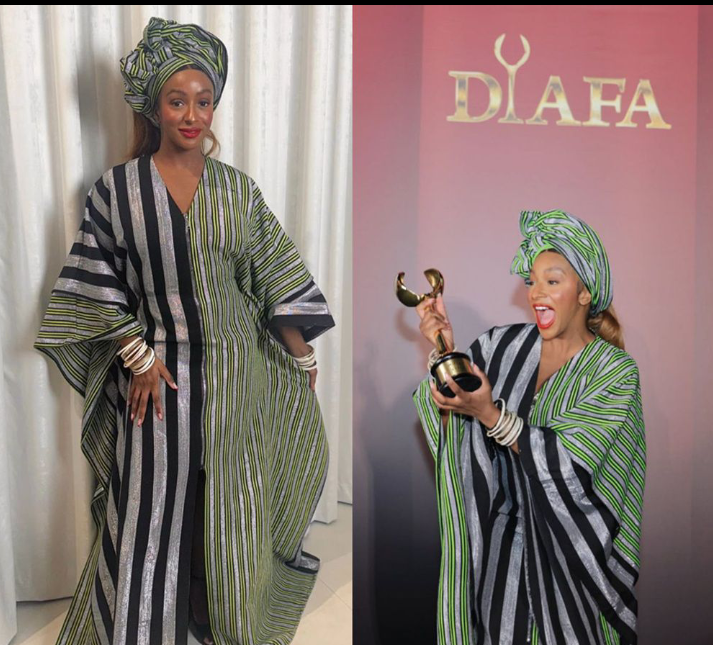
“This One Is for Home”: DJ Cuppy Lifts DIAFA Award in Dubai and Dedicates Historic Win to Nigeria
18 Dec, 2025Scroll to Top