Entertainment
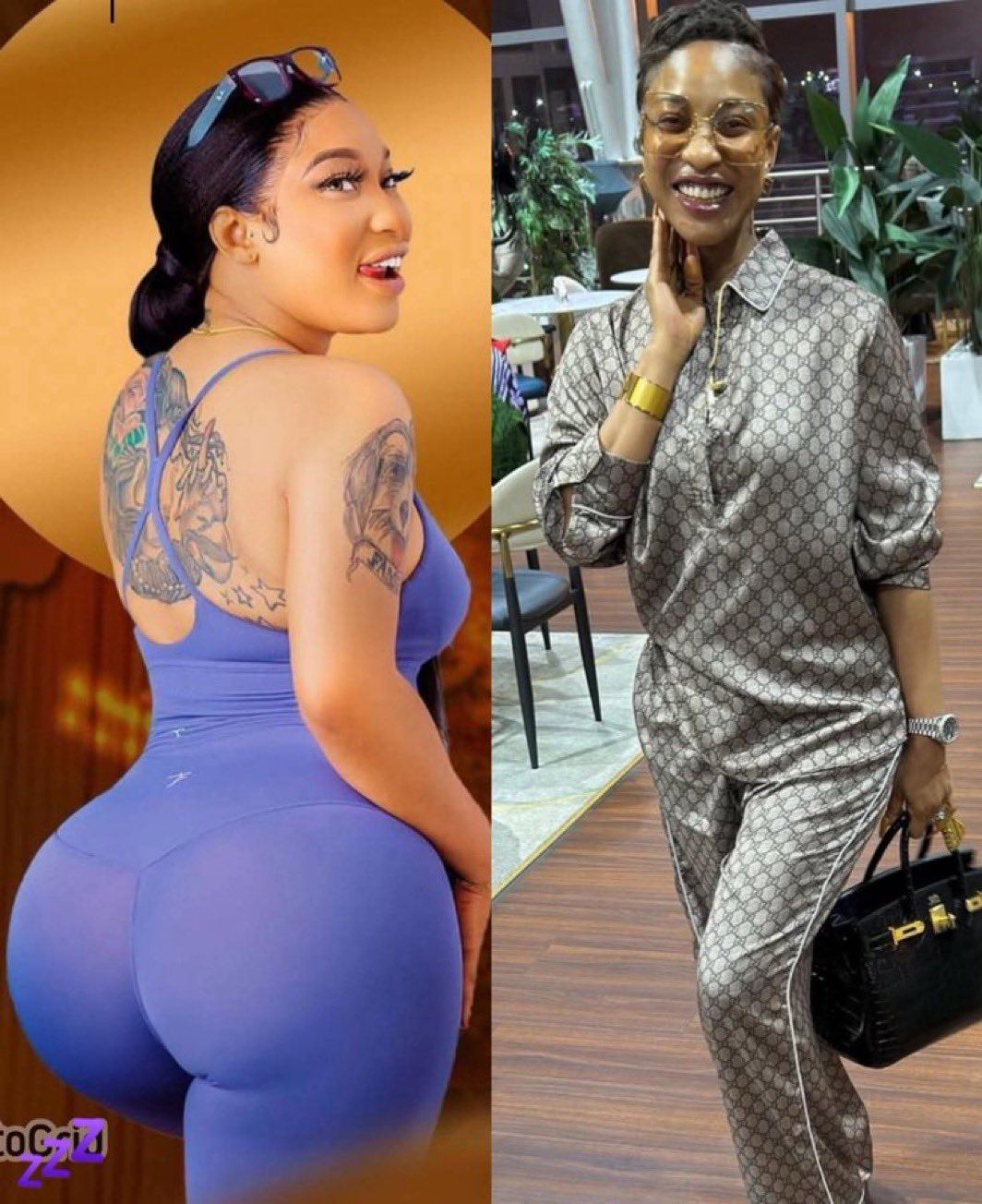
“I Chose Purpose Over Perfection”: Tonto Dikeh Removes BBL After Giving Her Life to Christ
Nollywood actress, philanthropist, and media personality Tonto Dikeh has once again become the center of national conversation after revealing that she has removed her Brazilian Butt Lift, popularly known as BBL, following what she describes as a deep spiritual transformation and renewed commitment to her Christian faith. The announcement, which surfaced through her social media platforms, quickly spread across blogs and timelines, sparking intense debate, admiration, skepticism, and reflection in equal measure.
According to Tonto, the decision was not influenced by trends, criticism, or health scares alone, but by what she calls a personal encounter with God that forced her to reevaluate her life choices, identity, and the image she projects to the world. In her words, she had “given her life fully to Christ” and felt convicted to undo certain decisions she no longer aligned with spiritually. The actress made it clear that the choice to remove the cosmetic enhancement was deeply personal, rooted in faith, and symbolic of a larger internal shift rather than a mere physical change.
For years, Tonto Dikeh has been one of Nigeria’s most talked-about celebrities, known as much for her talent on screen as for her unapologetic lifestyle off it. She has never shied away from controversy, often addressing issues head-on, whether related to her personal life, past relationships, motherhood, politics, or body image. Her openness about undergoing cosmetic surgery, including BBL, once placed her among celebrities who challenged conservative narratives around women’s bodies and self-expression in Nigeria.
This latest revelation, however, marks a notable turn in her public narrative. In explaining her decision, Tonto suggested that her journey into faith made her more conscious of modesty, self-worth, and spiritual obedience. She emphasized that she no longer wanted to feel pressured to meet societal or industry expectations of beauty, especially when those standards conflicted with her personal convictions. To her, removing the BBL was not about rejecting her past, but about choosing a future guided by faith rather than validation.
As expected, reactions online have been swift and divided. Supporters flooded her comment sections with prayers and encouragement, praising her courage and describing her decision as evidence of genuine repentance and growth. Many applauded her for using her platform to talk about faith and personal accountability, especially in an era where cosmetic enhancement is often glamorized without honest conversations about long-term consequences.
Others, however, questioned the sincerity of the move, arguing that faith should be inward rather than performative. Some critics suggested that spiritual growth does not necessarily require reversing cosmetic procedures, while others speculated about possible health complications or changing beauty trends influencing the decision. Still, Tonto appeared unfazed by the skepticism, maintaining that her walk with God is personal and not subject to public approval.
The conversation has also reignited broader discussions around cosmetic surgery in the entertainment industry. In recent years, BBLs and other body enhancement procedures have become increasingly common among celebrities and influencers, often promoted as symbols of confidence, luxury, and success. Tonto’s decision to reverse such a procedure introduces a counter-narrative, one that highlights introspection, consequence, and the evolving relationship between self-image and belief systems.
Religious leaders and faith-based commentators have weighed in as well, with some hailing her decision as a powerful testimony that could inspire others seeking spiritual realignment. Others cautioned against framing cosmetic surgery strictly as sinful, stressing that Christianity emphasizes the heart over outward appearance. Even within these debates, many agreed that Tonto’s honesty about her journey has opened space for more nuanced conversations about faith, identity, and public influence.
Beyond religion, the story has resonated with women navigating body image pressures in a hyper-digital age. For some, Tonto’s choice represents liberation from unrealistic beauty expectations. For others, it underscores the right of women to change their minds without ridicule, whether that means getting surgery or undoing it. Her message, intentional or not, reinforces the idea that personal growth is not linear and that individuals are allowed to evolve publicly, even under scrutiny.
Tonto Dikeh has repeatedly stated that she is in a season of reflection, healing, and alignment. From philanthropy to motherhood and now spirituality, she appears determined to redefine herself beyond headlines and past controversies. She has hinted that this transformation is ongoing, suggesting that more changes may follow as she continues what she describes as a purposeful walk with God.
In a media landscape often driven by scandal and outrage, this development stands out not because of shock value, but because it touches on deeply human themes: regret, conviction, faith, and the desire to start anew. Whether one agrees with her reasoning or not, Tonto’s decision has undeniably sparked conversation, forcing society to confront its assumptions about beauty, spirituality, and authenticity.
As the dust settles, one thing is clear: Tonto Dikeh remains a powerful cultural figure whose choices, words, and transformations continue to influence public discourse. In removing her BBL, she has not just altered her physical appearance; she has reshaped the narrative around her life, choosing to center it on faith, purpose, and personal truth. And in doing so, she has once again reminded Nigerians that growth sometimes means letting go, even of the things we once proudly embraced.
Popular Posts
“Poor Man No Get Hope”: Finance Coach GehGeh Slams Nigeria’s ‘Unfair System’ After Ralph’s Arrest Sparks Online Outrage
18 Dec, 2025
Football Silenced by Gunfire: Ecuador Mourns Mario Pineida After Shocking Killing in Guayaquil
18 Dec, 2025
“I Chose Purpose Over Perfection”: Tonto Dikeh Removes BBL After Giving Her Life to Christ
18 Dec, 2025Scroll to Top