Entertainment
“Which Emergency Is DDG Running To?”: Jesse Alordiah Calls Out Lagos Traffic Abuse After Streamer’s Motorcade Goes Against the Law
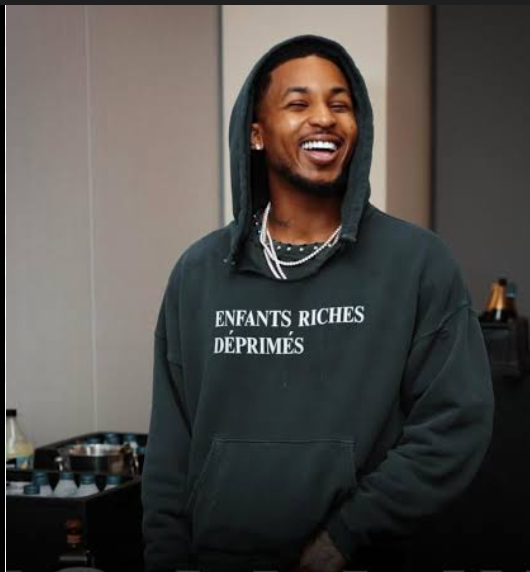
Music producer Jesse Alordiah has sparked a fresh wave of online debate after calling out what he described as blatant traffic violations involving American streamer and rapper DDG and his escorts on the streets of Lagos. The incident, which quickly gained traction on X, has reopened long-standing conversations about road discipline, the misuse of sirens, and how celebrity privilege often plays out in Nigeria’s already chaotic traffic system.
In a post that has since circulated widely, Jesse shared his frustration after observing an SUV convoy allegedly associated with DDG driving against traffic and even following a one-way road in the wrong direction. The producer did not mince words, questioning the growing culture of sirens and motorcades on Lagos roads and mocking the idea that a visiting entertainer could be running any kind of emergency that justified such reckless behavior. “Just look at, they even followed one way. This country man,” Jesse wrote, before adding, “This is why I don’t take SUVs with sirens seriously cos which emergency is ‘DDG’ running to?”
The post struck a nerve because it touched on a daily reality for many Lagos residents. Traffic congestion, disregard for road signs, and the intimidation of other road users by convoys with sirens have become common experiences. While sirens are legally meant for emergency services and specific government officials, they are often used by private individuals, celebrities, and their entourages as a shortcut through traffic. Jesse’s comments reflected a frustration shared by countless commuters who feel powerless when confronted with blaring sirens and aggressive drivers forcing their way through narrow roads.
Videos and screenshots linked to the incident showed vehicles allegedly moving on the wrong side of the road, prompting disbelief and anger from online users. Many questioned how such actions could happen in broad daylight without immediate consequences, while others argued that the problem went beyond DDG or any single celebrity. To them, the incident was simply another example of how Nigeria’s traffic laws are unevenly enforced, especially when fame, money, or perceived influence is involved.
DDG, who has been in Nigeria for content creation and public appearances, has enjoyed significant attention from fans and media since his arrival. His visit has been celebrated by many young Nigerians who follow his streaming career, but the traffic incident has added a more critical tone to the conversation. While the streamer himself has not directly addressed Jesse’s comments at the time of writing, the backlash has continued to grow, with users debating whether visiting celebrities should be held to higher standards when they are guests in the country.
For Jesse Alordiah, the issue appeared to be less about DDG as an individual and more about what his convoy represented. His sarcastic question about the “emergency” highlighted how sirens have lost their seriousness in Nigeria. Once associated with ambulances or urgent government duties, sirens are now commonly linked to weddings, birthday convoys, influencers, and socialites trying to beat traffic. This normalization, critics argue, puts ordinary road users at risk and erodes respect for traffic rules.
Online reactions to Jesse’s post were swift and divided. Some users applauded him for speaking up, describing his comments as bold and necessary. They shared personal stories of being forced off the road, delayed, or endangered by convoys driving against traffic. Others, however, felt the outrage was selective, noting that similar behavior by local celebrities and politicians often goes unchallenged. To them, the focus on DDG seemed misplaced when the deeper issue was systemic lawlessness on the roads.
Still, the symbolism of the incident mattered. Lagos, as Nigeria’s commercial hub, is often the first impression for international visitors. When high-profile guests are seen flouting basic traffic laws, it sends a message that rules are optional and that status can override safety. Some commentators argued that this perception damages the country’s image and undermines efforts by traffic authorities to promote order and discipline.
The Lagos State Traffic Management Authority has repeatedly warned against driving against traffic and the unauthorized use of sirens, stressing that such actions can lead to accidents, injuries, and loss of life. Yet enforcement remains inconsistent, fueling public cynicism. Jesse’s post tapped into this frustration, especially his line about not taking SUVs with sirens seriously anymore, a statement that resonated with people who feel desensitized to the constant noise and intimidation on the roads.
Beyond traffic, the incident also raised questions about the responsibilities of escorts and security teams hired for celebrities. Many argued that professional security should prioritize safety and compliance with local laws, rather than aggression and shortcuts. Driving against traffic, critics said, exposes not only the convoy but also pedestrians, cyclists, and other motorists to unnecessary danger.
As the conversation unfolded, some fans defended DDG, suggesting that he may not have been aware of the driving decisions made by his escorts. They urged critics to direct their anger at the drivers and the system that allows such behavior to go unchecked. Others countered that accountability still matters, especially when influence is involved, and that public figures should ensure their teams respect the laws of the places they visit.
What began as a short, angry post by a music producer quickly turned into a broader reflection on power, privilege, and everyday life in Lagos. Jesse Alordiah’s frustration echoed a collective exhaustion with traffic abuse that many Nigerians experience but rarely see addressed. Whether or not the incident leads to any official response, it has once again placed a spotlight on a problem that goes far beyond one streamer or one convoy.
In the end, Jesse’s rhetorical question lingered in the minds of many: which emergency truly justifies endangering others on the road? Until that question is taken seriously by both authorities and those who feel above the law, incidents like this are likely to remain a familiar, if troubling, part of life on Lagos streets.
Popular Posts
Yobe Hisbah Moves to Rein In Festive Conduct, Bans Mixed-Gender Interactions and “Reckless” Celebrations
01 Jan, 2026
“‘Not a Dealbreaker?’ Northern Baddie’s Marriage Take Ignites Online Firestorm and Reopens a Raw Conversation on Love, Loyalty, and Staying for the Kids”
01 Jan, 2026
“Which Emergency Is DDG Running To?”: Jesse Alordiah Calls Out Lagos Traffic Abuse After Streamer’s Motorcade Goes Against the Law
01 Jan, 2026Scroll to Top