Entertainment
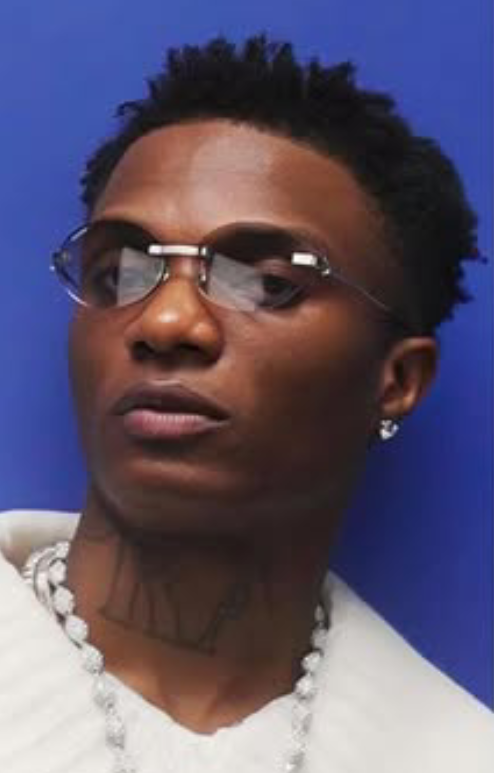
WIZKID FIRES SHOTS AS HE EMERGES NIGERIA’S MOST-STREAMED ARTISTE ON APPLE MUSIC AND SPOTIFY
In a moment that has electrified social media and reignited long-running fanbase rivalries, Grammy-winning Nigerian superstar Wizkid has thrown what many are calling a direct shade at a certain group of people after officially emerging as the most-streamed artiste in Nigeria on Apple Music and Spotify. The triumph, which reinforces his dominance in the Nigerian and global afrobeats scene, came with an online victory lap that only Wizkid could deliver — unfiltered, cryptic, and dripping with the confidence of someone who has nothing left to prove but still enjoys stirring the pot.
Shortly after the streaming statistics made rounds across Nigerian social platforms, Wizkid took to X (formerly Twitter) to post a message that instantly went viral. “Poeyboys got enough de ppl in their crew to cry about! add more tears,” he wrote, in what many interpreted as a veiled jab at a rival fanbase or perhaps a group that has been vocal in downplaying his influence in recent times. The message, typical of Wizkid’s enigmatic online persona, came across as both celebratory and confrontational, fuelling speculation about who exactly the “poeyboys” are and why they should be adding more tears to their collection.
The drama intensified when entertainment platform YabaleftOnline responded with its own commentary, writing: “I think say all of una don die finish! Una still remain? Dem say album go swallow album dem dey ground dey smell now! Na our matter go dey kill all of una one by one!” The post carried the signature tone of online banter in the afrobeats community, further framing Wizkid’s win as a moment of reckoning for those who doubted him. While the platform didn’t mention names, the message echoed ongoing conversations among fans who often compare artistes, projects, and legacies.
For many, streaming dominance is no longer just about numbers; it is a measure of cultural relevance, influence, and staying power in an industry where new stars emerge almost every month. That Wizkid continues to top charts across multiple platforms speaks volumes about the breadth of his appeal, especially considering the intense competition in Nigeria’s music scene. With the rise of contemporary giants like Burna Boy, Davido, Rema, Asake, Olamide, and others, each release cycle becomes a test of fan loyalty and global impact. And yet, in 2024 and beyond, the “Starboy” brand has remained both iconic and enduring.
What stands out about this particular moment is how Wizkid chose to respond. Though he is known to go months without posting anything online, when he does, his words tend to land like fireworks — loud, bright, and impossible to ignore. This latest message is no different. It came across as a mix of gratitude for the streaming milestone and a tongue-in-cheek dig at critics who, according to some fans, have spent the last year questioning his musical direction, teasing him online, or predicting the decline of his influence. To his supporters, the post was a well-deserved clapback; to his detractors, it was another round of unnecessary provocation.
Beyond the shade and the celebratory energy, what this episode really underscores is Wizkid’s unique relationship with Nigerian pop culture. Unlike many artistes who navigate their wins with polished PR statements and carefully curated responses, Wizkid often communicates in raw bursts of authenticity that feel closer to street talk than celebrity diplomacy. His posts frequently come layered — part joke, part jab, part declaration of dominance. And for someone who has spent more than a decade at the top, the formula still works. Every time he speaks, the entire industry listens.
The larger conversation among fans has now shifted to what this achievement means in the long run. Being Nigeria’s most-streamed artiste on both Apple Music and Spotify is no small feat, especially in an era where data transparency is high and competition is fierce. It reinforces that Wizkid’s catalogue — from classics like “Ojuelegba” and “Holla at Your Boy” to globally acclaimed records like “Essence” — continues to resonate across generations. Younger fans discovering afrobeats for the first time gravitate toward his newer collaborations, while older fans hold onto the nostalgia of his early hits. It is a rare balance that only a handful of artistes manage to maintain.
At the same time, this achievement puts pressure on the afrobeats ecosystem in ways that reflect the genre’s global rise. Streaming numbers now influence festival bookings, international collaborations, tour schedules, and even record-label investments. As afrobeats continues to expand its footprint around the world, artistes are more aware than ever that success is measured not just in club bangers or street anthems but in long-term numbers that prove staying power. In that regard, Wizkid’s milestone is not just personal — it is a reminder of how far the genre has come and how much it continues to evolve.
Still, the shade-laden celebration has sparked debates across social media. Some argue that Wizkid should simply enjoy the win without provoking rival groups; others say he has every right to respond to months of trolling. Fanbases — especially in the afrobeats community — are notoriously competitive, and achievements like this naturally reignite old feuds. Within minutes of his tweet, hashtags began trending, with fans dissecting every word, interpreting deeper meanings, and revisiting past online battles between prominent camps.
But in the midst of the noise, one thing remains clear: Wizkid’s influence is not fading anytime soon. Whether he is releasing music, teasing an upcoming project, or dropping cryptic messages online, he continues to command attention. His ability to remain both mysterious and magnetic is part of what has sustained his brand across borders. Even critics admit that, love him or hate him, Wizkid has carved a permanent place for himself in the global music conversation.
As fans celebrate the new milestone and debate the intention behind his message, the industry waits to see what comes next. Will this achievement signal the rollout of a new project? Is the shade a hint at deeper tensions? Or is Wizkid simply having fun, reminding everyone that he is still the “Biggest” in his own words? Whatever the case, his latest victory — and the way he chose to mark it — ensures that the conversation will not die down anytime soon.

For now, one truth remains undeniable: Wizkid is not just winning; he’s enjoying every second of it. And by the looks of things, he’s not done shaking the table.
Popular Posts
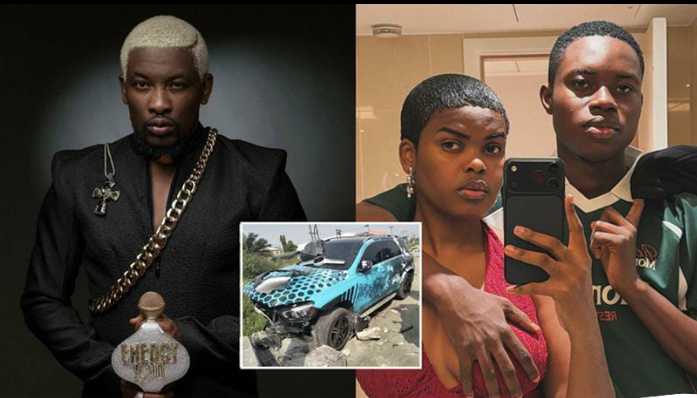
“A Ticking Time Bomb”: Dotun’s Blunt Warning Sparks Fresh Debate After Peller’s Car Crash Drama
15 Dec, 2025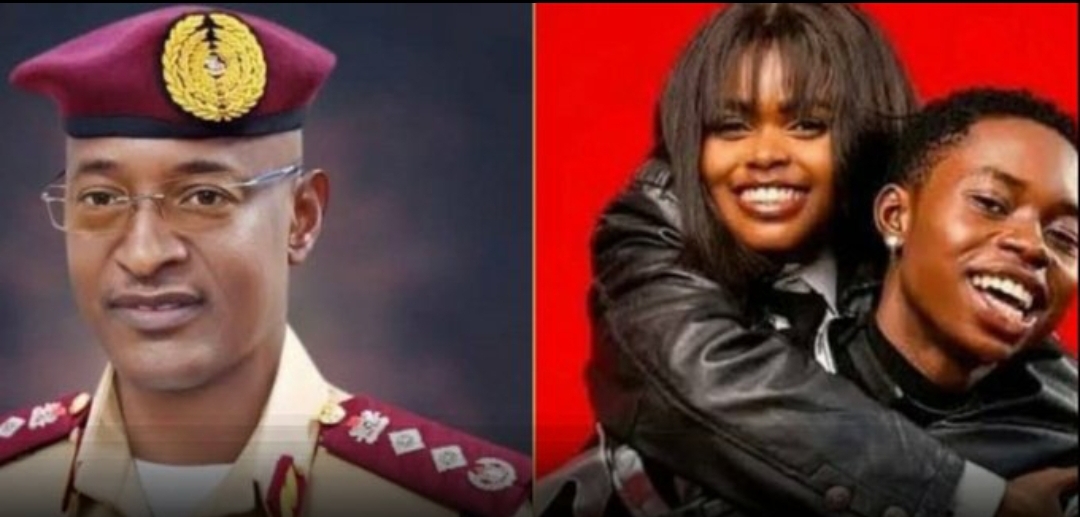
FRSC Warns Celebrities as TikToker Peller Faces Prosecution Over Road Crash
15 Dec, 2025
19-Year-Old Girl Allegedly Stabs Boyfriend to Death During Infidelity Fight in Ogun State
15 Dec, 2025Scroll to Top