news
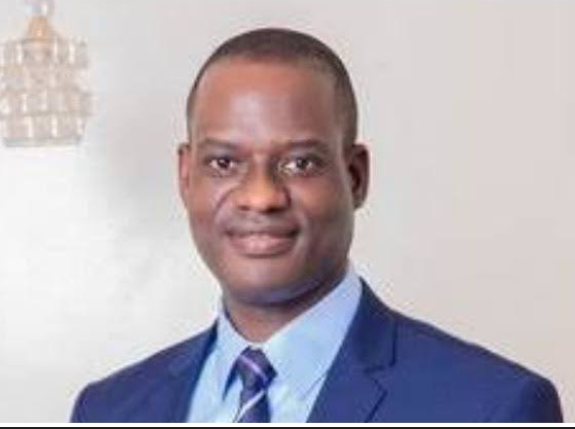
Your Tweets, Comments and Posts Are Watching You Back: Taiwo Oyedele Warns Nigerians That Their Digital Footprint Is the New CV
As Nigerians stepped into a new year filled with renewed hopes, ambitions, and resolutions, respected tax expert and public policy analyst Taiwo Oyedele delivered a timely message that has since sparked wide conversation across social media. In a digital age where opinions travel faster than résumés and online behavior often precedes physical introductions, Oyedele reminded Nigerians that their digital footprint has quietly become their most powerful curriculum vitae.
In his New Year message shared with his online followers, Oyedele urged Nigerians to pause and reflect on how they present themselves online, warning that the internet never forgets. According to him, every post, comment, retweet, and reaction contributes to a permanent record that the world—and increasingly, intelligent machines—can see, analyze, and judge. He stressed that insulting, cursing, or abusing people online does not portray confidence or intelligence, but instead paints a picture of someone lacking emotional intelligence and self-control.
Oyedele’s message struck a chord because it addressed a growing culture of online hostility that has become normalized in many digital spaces. Social media platforms, originally designed to connect people and ideas, have increasingly turned into arenas for insults, name-calling, and personal attacks. In Nigeria, where social media is a major space for political debate, entertainment commentary, and social engagement, harsh exchanges are often excused as “cruise” or justified as free speech. Oyedele challenged this mindset, arguing that while disagreement is natural and necessary, the manner in which people disagree reveals far more about their intelligence and character than the opinions they hold.
Central to his message was the idea that the traditional CV is no longer enough in today’s AI-powered world. Employers, partners, collaborators, and even government institutions now rely heavily on digital signals to assess people. Algorithms do not just read what people write; they infer judgment, temperament, consistency, and values from patterns of behavior. Oyedele emphasized that long before an interview invitation is sent or a business opportunity is offered, decision-makers may already have formed opinions based on someone’s online presence.
He explained that the posts people share, the comments they leave under trending topics, and the way they react to opposing views are all data points. These data points collectively tell a story. For some, the story reflects thoughtfulness, depth, and respect. For others, it reveals impulsiveness, hostility, and poor emotional regulation. In an era where artificial intelligence can analyze years of online activity within seconds, Oyedele warned that careless digital behavior could quietly close doors without people ever knowing why.
The tax expert also highlighted the difference between intelligence and noise. According to him, true intelligence is displayed in how one disagrees, not in how loudly one shouts. He encouraged Nigerians to challenge ideas with facts rather than attack individuals, noting that credibility is built through reasoned arguments, clarity of thought, and respectful engagement. In contrast, constant insults and aggressive language may attract attention, but they erode trust and reduce long-term influence.
Oyedele’s message went beyond career prospects and touched on personal branding and societal impact. In a country with a youthful population and high unemployment, many young Nigerians are actively seeking opportunities both locally and internationally. Social media has become a powerful tool for visibility, networking, and self-expression. However, Oyedele cautioned that the same platforms that can elevate a person can also silently undermine them. A single viral post may bring momentary fame, but a pattern of toxic behavior can define a person’s online identity for years.
His message also carried an implicit warning for professionals, public commentators, and influencers who command large audiences online. With influence comes scrutiny, and with scrutiny comes responsibility. Oyedele suggested that people who aspire to leadership, authority, or public trust must be especially careful about how they conduct themselves digitally. In a world where screenshots live forever and old tweets can resurface at critical moments, intentionality is no longer optional.
Many Nigerians who reacted to the message described it as a necessary wake-up call. Some acknowledged that they had never considered how their casual online arguments or sarcastic comments might be interpreted by outsiders. Others pointed out that Nigerian social media culture often rewards outrage and mockery, making it difficult for calm, fact-based discussions to gain traction. Still, Oyedele’s message stood as a reminder that short-term validation should not come at the expense of long-term reputation.
As the new year begins, Oyedele urged Nigerians to be deliberate about their digital footprints. He encouraged people to see their online presence not as a playground without consequences, but as a living record of who they are and what they stand for. Every interaction, he implied, is an opportunity to demonstrate maturity, intelligence, and values—or the lack of them.
In a fast-evolving digital landscape where artificial intelligence continues to reshape recruitment, governance, and social interaction, Oyedele’s message resonates far beyond Nigeria. It underscores a global truth: the lines between online and offline identities have blurred, and reputation is increasingly built in public, searchable spaces. As Nigerians set goals and ambitions for the year ahead, the tax guru’s advice offers a simple but powerful reminder—your real CV is already online, and it is being updated every day.
Popular Posts

Yobe Hisbah Moves to Rein In Festive Conduct, Bans Mixed-Gender Interactions and “Reckless” Celebrations
01 Jan, 2026
“‘Not a Dealbreaker?’ Northern Baddie’s Marriage Take Ignites Online Firestorm and Reopens a Raw Conversation on Love, Loyalty, and Staying for the Kids”
01 Jan, 2026
“Which Emergency Is DDG Running To?”: Jesse Alordiah Calls Out Lagos Traffic Abuse After Streamer’s Motorcade Goes Against the Law
01 Jan, 2026Scroll to Top