Entertainment
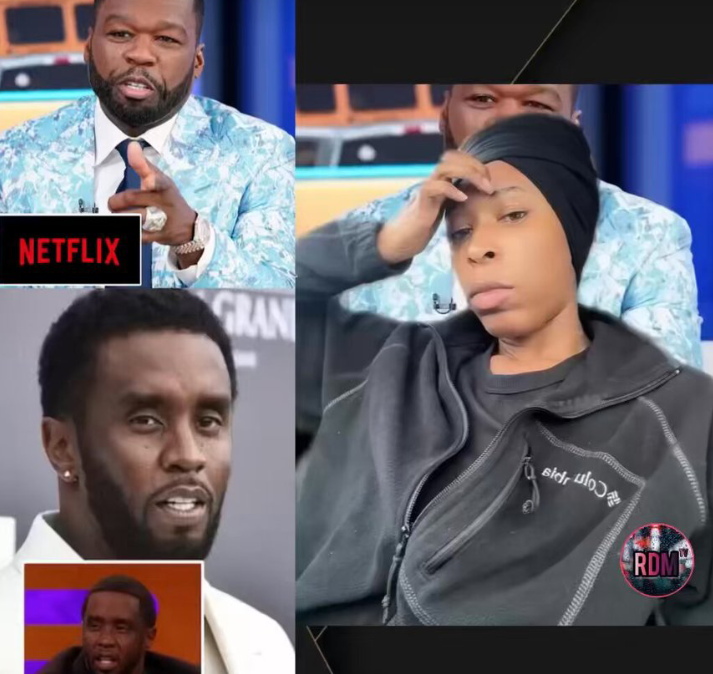
50 Cent Accused of Being “Anti-Black” After Woman Claims He’s Behind Netflix’s Explosive Diddy Documentary
A fresh wave of controversy has erupted online after a woman publicly accused rapper and television executive 50 Cent of being “very anti-Black,” claiming he is the driving force behind Netflix’s upcoming documentary on Sean “Diddy” Combs. The woman, whose comments quickly spread across social media, argued that 50 Cent intentionally targets fellow Black celebrities for profit and division, igniting a heated debate among fans, critics, and cultural commentators. Her remarks have added another layer to the already intense scrutiny surrounding the documentary, which is expected to dig deep into the growing allegations against Diddy.
In her statement, the woman expressed shock after realizing that 50 Cent was allegedly the producer behind the project. “He always goes after his own people, tears down Black people and nobody else just to profit. He sold out to Netflix to help divide Black people,” she said, accusing the rapper of exploiting scandals involving Black public figures while avoiding criticism of non-Black celebrities. Her claims quickly gained traction, generating thousands of reactions across X (Twitter), TikTok, and Instagram. The conversation swiftly evolved into a broader discussion on whether 50 Cent’s media empire has, in fact, built its success on the public downfall of fellow Black entertainers.
50 Cent, known for his unapologetic, confrontational style both in music and media production, has become a central figure in television through shows like Power, BMF, and various docuseries. In recent years, he has taken a visible interest in real-life scandals involving high-profile figures. Many supporters argue that his projects are simply business moves driven by public interest and truth-telling, not malicious targeting. However, critics say his pattern points to something more deliberate and harmful.
The alleged Netflix documentary on Diddy has already been surrounded by whispers, curiosity, and apprehension, especially as the music mogul faces multiple lawsuits involving sexual assault, trafficking, and abuse. The public has been divided—some eagerly anticipating a thorough investigation into allegations that have been talked about in the industry for decades, while others believe the timing and intensity of the documentary could be part of a larger agenda to tear down Black icons. The woman’s accusation against 50 Cent added fuel to that fire, pushing the conversation beyond Diddy and toward who benefits from these narratives.
Her argument rests on a belief that 50 Cent selectively chooses Black targets because controversy within the Black community is profitable to corporate platforms like Netflix. She suggested that instead of uplifting or protecting Black artists in the face of systemic challenges, he focuses on exposing their darkest moments. According to her, this approach plays into harmful stereotypes, providing mainstream audiences with sensational stories at the expense of community unity. Her sentiment resonated with some viewers who feel that Hollywood profits from the struggles of Black entertainers while elevating narratives that reinforce negative portrayals.
On the other hand, a large segment of social media users defended 50 Cent, arguing that accountability should not be equated with betrayal. They claim that if the allegations against Diddy are true, then shedding light on them is not divisive but necessary. Supporters pointed out that criminal behavior, abuse, or exploitation should not be shielded simply because the accused is Black. They insisted that silence only protects abusers and allows cycles of harm to continue unchecked. To them, 50 Cent’s willingness to tackle sensitive subjects is not evidence of anti-Blackness but rather a commitment to exposing truths that others avoid.
The debate reflects an ongoing tension within entertainment culture—where the line between documentary storytelling, exploitation, and accountability continues to blur. Many believe that when scandals involve Black celebrities, there is a delicate balance between reporting the truth and reinforcing narratives that harm the community. Critics fear that media institutions lean too eagerly into stories that paint Black stars in a negative light, while being far less aggressive when allegations arise in other demographic groups. This perception fuels distrust and creates fertile ground for accusations like the one leveled against 50 Cent.
Whether or not he actually produced the Netflix documentary remains a topic of speculation, as neither the streaming giant nor 50 Cent has issued an official statement confirming or denying his involvement at the time of the woman’s comments. Still, his history of publicly feuding with Diddy and commenting on the mogul’s legal troubles has led many to believe that he would naturally align himself with such a project. His online presence, marked by memes, jabs, and provocative posts, only reinforces the idea that he has taken personal interest in exposing the scandals surrounding the Bad Boy Entertainment founder.
Some industry insiders, however, argue that the rise of docuseries centered on celebrity scandals is part of a larger trend across all communities, not just the Black entertainment world. They point to high-profile documentaries on R. Kelly, Jeffrey Epstein, Harvey Weinstein, Elizabeth Holmes, and others as proof that streaming platforms are driven by demand rather than race. To them, the woman’s accusations oversimplify a complex industry ecosystem where viewer interest dictates production decisions. Streaming services are locked in fierce competition, and explosive investigative documentaries have become powerful tools for capturing global audiences.
Despite the polarizing reactions, one thing is clear—the allegation has reignited discussions about the representation of Black figures in mainstream media. Many are questioning whether there is a double standard in how stories involving Black celebrities are handled, promoted, or sensationalized. Others insist that public figures, regardless of race, must face consequences when serious allegations arise. The challenge lies in navigating these conversations without silencing legitimate concerns or feeding into divisive narratives.
As the rumored documentary continues to generate buzz, the drama surrounding 50 Cent’s alleged involvement only heightens public anticipation. If he truly is behind the project, it could mark yet another moment where his role as a cultural disruptor overshadows the actual content of the documentary. If he is not involved, the controversy still highlights deeper frustrations about media, representation, and intra-community accountability.
For now, social media remains a battlefield where opinions clash. Some users accuse 50 Cent of betraying his own people for corporate gain, while others praise him for courageously spotlighting what has allegedly been hidden for years. The woman’s statement, laden with emotion and resentment, reflects a broader struggle over who gets to tell Black stories, who gets to profit from them, and what the cost is to the community.
As Netflix prepares to release one of the most anticipated and contentious celebrity documentaries in recent memory, these questions will likely intensify. Whether the public views the final product as truth-seeking journalism, opportunistic exploitation, or something in between, one thing is undeniable: the conversation surrounding 50 Cent and the Diddy documentary has already become a cultural flashpoint, exposing the complexities, tensions, and expectations placed on Black creators in the entertainment industry.
Woman says 50 Cent is very anti-Black after realizing he’s the one behind the Netflix Diddy documentary. “He always goes after his own people, tears down Black people and nobody else just to profit. He sold out to Netflix to help divide Black people.” 👀😳🤔 pic.twitter.com/A9S9kYOGir
— Rain Drops Media (@Raindropsmedia1) December 5, 2025
Twitter Post
Visit websitePopular Posts
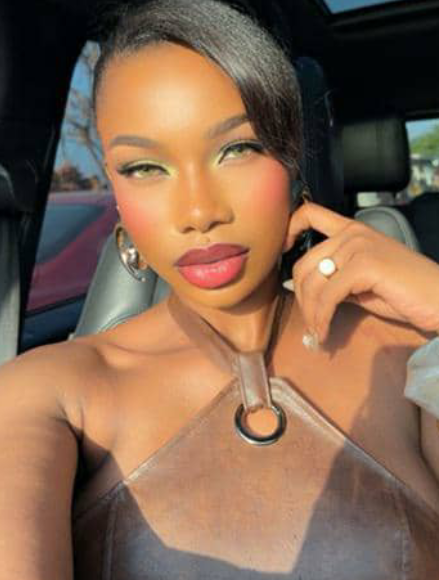
“‘Let Those Who Want to Die, Die in Peace’ — Tacha Sparks Outrage as She Slams Aunty Esther for Rejecting Blood Transfusion After ₦30m Donation”
05 Dec, 2025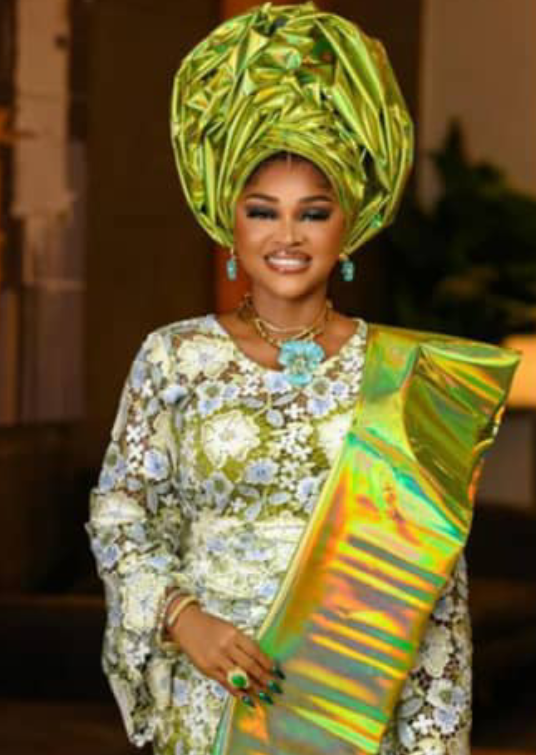
“DEY PLAY”: MERCY AIGBE TEASES DAUGHTER MICHELLE AFTER SHE SAYS SHE DOESN’T WANT A BIG WEDDING
05 Dec, 2025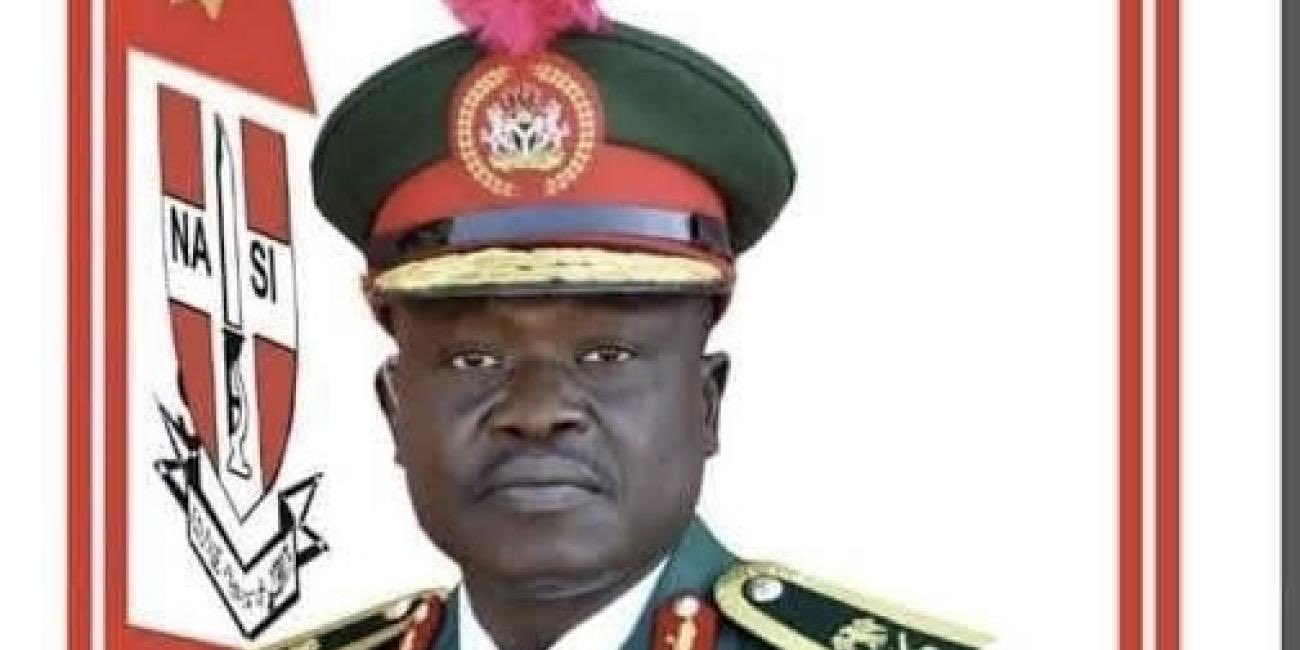
Silent Hands Behind the Chaos: Retired Major General Ali-Keffi Alleges High-Level Links to Terror Suspects in Explosive Revelation
05 Dec, 2025Scroll to Top