Entertainment
“DEY PLAY”: MERCY AIGBE TEASES DAUGHTER MICHELLE AFTER SHE SAYS SHE DOESN’T WANT A BIG WEDDING
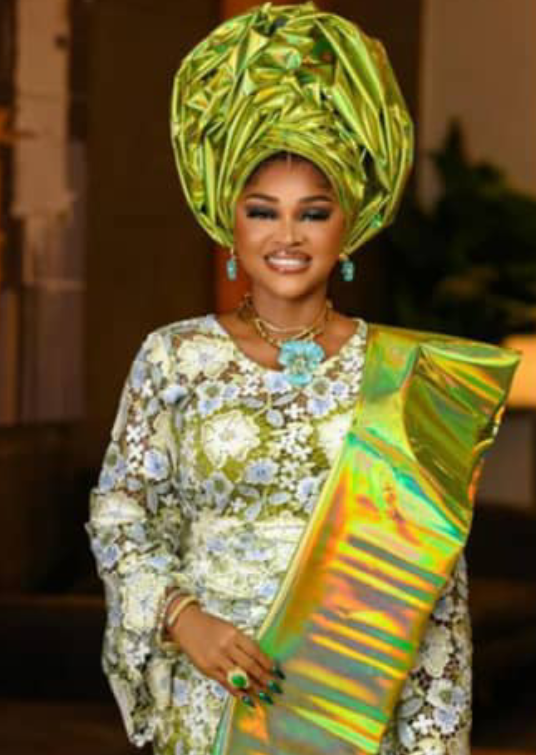
Nollywood star Mercy Aigbe has once again stirred up laughter and conversation across social media after revealing a hilarious exchange she had with her daughter, Michelle, about future wedding plans. In a video and accompanying caption shared online, the actress told fans that Michelle phoned her and made a heartfelt, almost pleading request: she does not want a big wedding. Mercy’s response, however, was classic “mummy mode,” delivered with humour, irony, and the full energy of a Nigerian parent who knows better. And in true Mercy Aigbe style, she brought her audience into the gist and invited them to help her “reply” Michelle.
According to Mercy, the call ended with Michelle saying, “Mummy please, I don’t want a big wedding oh!” A request many young people today might relate to, especially those who view extravagant ceremonies as stressful, expensive, and unnecessary. But for Nigerian parents—especially the ones who have built a reputation for glamour, celebration, and community—those words may as well be a punchline. Mercy posted her reaction with the caption: “Online mummies and my fans, please help me reply her.” And then she tagged Michelle with a short but sharp response that instantly went viral: “Dey play.”
In Nigeria, “dey play” is more than slang. It is a statement layered with sarcasm, amusement, and warm dismissal. It often translates to: “You think you know what you’re saying, but you don’t.” Or more simply: “Keep dreaming.” In this case, Mercy used it to suggest that Michelle’s desire for a small, quiet, minimalist wedding is a fantasy that might not survive the excitement of a Nigerian mother. Especially not a mother who is herself a style icon known for her lavish parties, elegant fashion, and dramatic flair.
Within minutes of Mercy’s post, fans trooped to the comments, flooding it with jokes, teasing, and full-blown debates about Nigerian wedding culture. Some sided with Michelle, arguing that big weddings are too much stress and expense in today’s economy. Others backed Mercy, insisting that African parents see their children’s weddings as celebrations of lineage, community, and thanksgiving—not something to be done quietly or casually. A few mothers in the comment section echoed Mercy’s tone, writing things like, “My daughter said the same thing, I told her she’s only joking” and “Small wedding? In which Nigeria?”
Mercy’s playful call for “online mummies” to join her as reinforcements also added to the humour. It reflected a familiar Nigerian truth: when a child tries to escape a cultural expectation, a parent will happily gather a whole community to remind them of their roots. To many fans, it brought back memories of mothers who already have aso ebi colours and wedding guest lists planned years in advance, long before their children even think about marriage.
The actress’s joke also sparked conversations about generational shifts. Michelle, who has built her own following as a lifestyle and fashion creator, represents many Gen Z Nigerians who prioritize intimate ceremonies, personal choice, and simplicity. Meanwhile, Mercy symbolizes the older generation that still believes weddings are communal affairs—events where extended family, neighbours, colleagues, and even distant acquaintances must attend. To them, a wedding is not just a union; it is an opportunity to celebrate life, display cultural richness, and honour tradition. It is also a moment of pride, especially for mothers who want their children’s milestones to be nothing short of grand.
However, behind the humour lies an evolving cultural conversation. Nigeria’s economy has tightened significantly, and the cost of hosting an elaborate wedding—venue, food, fabric, décor, photography, entertainment—has skyrocketed. Many young people feel the financial pressure and would rather put money toward long-term stability than one day of celebration. Others simply prefer privacy over spectacle. For these reasons, the “small wedding” movement is gaining traction among younger Nigerians.
But cultural forces remain strong. Weddings in Nigeria are not just personal events; they are community statements. Families—especially prominent ones—see them as a reflection of status, gratitude, respect, and heritage. This is why the clash between Michelle’s preference and Mercy’s playful dismissal struck such a chord online. It captured a familiar conversation happening in many Nigerian homes.
Mercy Aigbe, known for her witty, dramatic, and often relatable content, knew exactly how to frame the playful disagreement to get the internet buzzing. Adding Seyi Vibez’s track “FUJI H...” as background audio only heightened the comedic energy of the post. Fans praised her for always finding a way to make even ordinary family moments entertaining. They also commended the warm, friendly bond she shares with Michelle—a relationship that often mixes parental authority with friendship, banter, and online engagement.
Michelle herself has not issued a public clapback yet, but fans are waiting. Some anticipate she will stand her ground, insisting that her dream wedding must reflect her personality, not societal pressure. Others believe she will eventually “agree” with her mum—either willingly or because Nigerian parents have a special way of winning these battles.
For now, the viral moment continues to spread across platforms as more Nigerians share their own experiences and family dynamics. Some even joked that Mercy has already started drafting plans for aso ebi colours and bridal makeup looks for an event Michelle hasn’t even set a date for. A few teased that whether Michelle wants a big wedding or not, she will still wake up one day to see her mother finalizing catering contracts and venue bookings.
The incident also highlights how Nollywood celebrities have mastered the art of connecting with audiences through relatable content. Mercy’s post was funny, simple, and deeply Nigerian—a perfect blend that resonates with both fans and critics. It also shows how much influence she and Michelle wield online, with a combined reach that makes even a casual mother-daughter conversation a trending topic.
As the laughter-filled comment war continues, one thing is clear: Michelle may genuinely desire an intimate wedding, but Nigerian mothers—especially glamorous, high-profile ones like Mercy Aigbe—rarely let such dreams pass without debate. Whether it’s a small ceremony or a celebrity-level spectacle, the conversation has already become a cultural moment, a humorous reminder of the gap between generations.

And as for Mercy’s final message to Michelle?
It remains the line that has now become the punchline of the internet: “Dey play.”
Popular Posts

“‘Let Those Who Want to Die, Die in Peace’ — Tacha Sparks Outrage as She Slams Aunty Esther for Rejecting Blood Transfusion After ₦30m Donation”
05 Dec, 2025
“DEY PLAY”: MERCY AIGBE TEASES DAUGHTER MICHELLE AFTER SHE SAYS SHE DOESN’T WANT A BIG WEDDING
05 Dec, 2025
Silent Hands Behind the Chaos: Retired Major General Ali-Keffi Alleges High-Level Links to Terror Suspects in Explosive Revelation
05 Dec, 2025Scroll to Top