news
Silent Hands Behind the Chaos: Retired Major General Ali-Keffi Alleges High-Level Links to Terror Suspects in Explosive Revelation
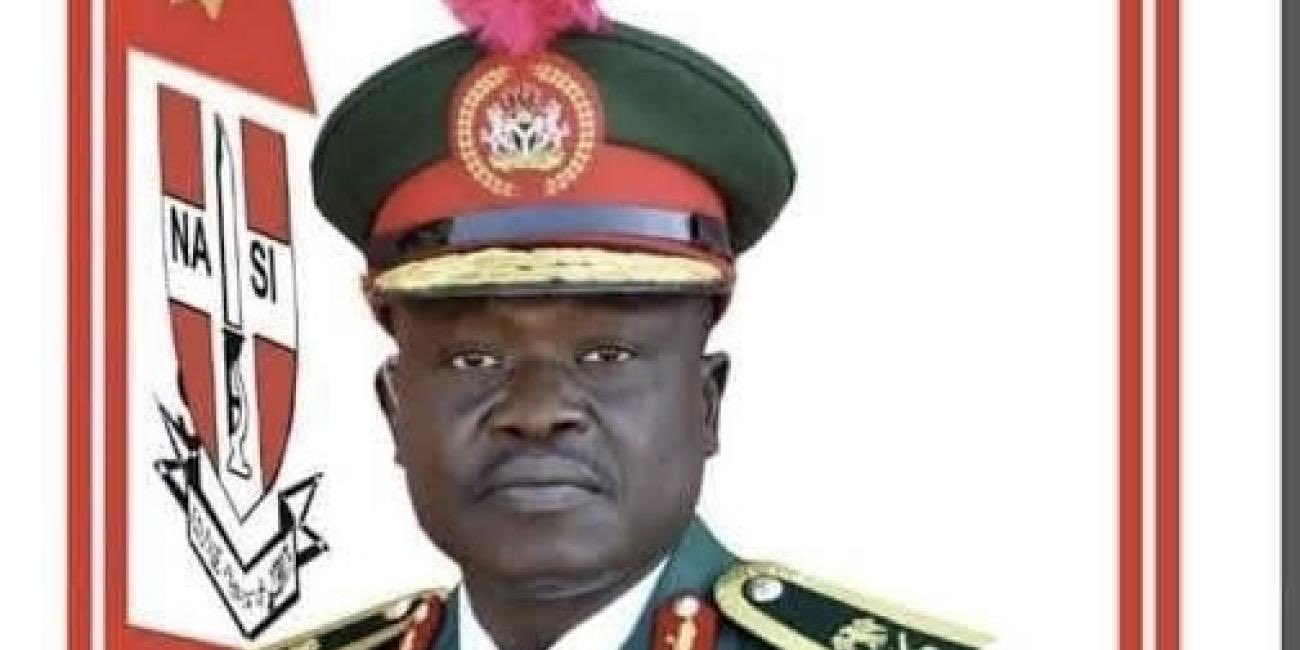
Nigeria’s security architecture was shaken on Friday after Retired Major General Danjuma Ali-Keffi made a series of shocking claims suggesting that some terror suspects and alleged financiers once had disturbing connections to powerful figures within the country’s political and military elite. In a revelation that has ignited a storm of public outrage, Ali-Keffi alleged that names linked to terrorism investigations overlapped with individuals close to former Attorney-General of the Federation Abubakar Malami (SAN), as well as some past Army chiefs and other influential players whose identities, he suggested, should have long been subjects of deeper national scrutiny. The retired general’s statements, originally spotlighted by Sahara Reporters, have opened an intense debate about transparency, accountability, and the integrity of Nigeria’s war against terrorism.
According to Ali-Keffi, the federal government once received a classified list—reportedly containing over 400 names—of individuals suspected of financing or facilitating terror activities across the country. He hinted that within that list were names of persons connected to individuals in privileged positions. But what has stunned many Nigerians is not just the existence of such a list, but the claim that some individuals with proximity to high-ranking officials were shielded, ignored, or left untouched while ordinary citizens bore the brunt of “terrorism-related crackdowns.” Ali-Keffi’s revelation came during discussions about Nigeria’s prolonged struggle with insurgency, banditry, and the growing distrust between citizens and the nation’s security institutions.
The retired general stated that while the military made significant sacrifices on the battlefield, risking everything to protect the nation, some within the system may have been undermining those efforts from powerful offices. He referenced instances where investigations into terror networks appeared to stagnate once they encroached into sensitive political territory or threatened individuals whose connections ran deep within the government’s inner circles. “There were names on that list that should have been questioned immediately,” he reportedly said, “but instead they were quietly tucked away, and the public never heard about them again.”
These allegations have triggered immediate reactions from Nigerians across social media, with many calling for an independent probe, the release of the alleged list, and a complete audit of the country’s counter-terrorism approach since the early days of the insurgency. Critics argue that if the claims are true, they would confirm long-held suspicions about complicity within certain sectors of government—suspicions that have lingered for years as terrorists appeared to operate with uncanny ease across parts of the country.
Ali-Keffi’s claims also raise renewed concerns about the handling of intelligence reports during the previous administration. The mention of former AGF Abubakar Malami has intensified debates, as Malami was once at the center of controversies involving high-profile cases, asset recoveries, and government negotiations. Although there is currently no official response from Malami regarding Ali-Keffi’s statements, his name being drawn into a conversation of this magnitude has created shockwaves that analysts say may push institutions to shift from silence to explanation.
The retired general also mentioned, without naming them directly, that some senior Army officials had close relationships with individuals listed as persons of interest. This has further fueled conversations about divided loyalties within Nigeria’s military structure. Analysts point out that these allegations, if properly investigated, could expose years of internal sabotage that may have prolonged the insurgency and contributed to the deaths of thousands of civilians and soldiers. Many Nigerians have been quick to question how terrorist groups managed to secure arms, funding, and intelligence with such efficiency despite billions of naira allocated yearly for defence.
This controversy resurfaces at a moment when the nation is still healing from years of brutal attacks across the North-East, North-West, and North-Central regions. Security experts say Ali-Keffi’s claims should not be dismissed as mere conspiracy theories, especially coming from someone who served at high levels of military command. They argue that statements from a retired major general carry weight and deserve immediate institutional attention. “If a man who wore the uniform for decades and held command positions says something is wrong at the top, it would be reckless to ignore him,” one analyst commented.
What is even more troubling is the timing of the revelation. Nigerians are increasingly vocal about their frustrations with rising insecurity, economic hardship, and what many describe as a tradition of shielding elites from accountability. This allegation adds another layer of mistrust and reinforces the widespread belief that the fight against terrorism has been compromised by internal interests. Social media commentary reflects a blend of anger, exhaustion, and a fierce demand for transparency. Some users question whether those named indirectly by Ali-Keffi will be invited for questioning or whether this controversy will become another unresolved scandal swept under the carpet.
Civil society groups are already mounting pressure on the government, urging security agencies to initiate a full-scale investigation based on Ali-Keffi’s comments. They insist that the country cannot win the war against terrorism if suspects with powerful friends continue to receive protection. The argument is simple: Nigeria needs not just operational strength but moral integrity in its security leadership. Some groups have begun drafting petitions calling for the National Assembly to summon Ali-Keffi to provide additional details and possibly submit documents supporting his claims.
International observers have also expressed concern. Nigeria remains a crucial player in regional security, and any suggestion that insiders may have interfered with counter-terrorism efforts raises questions about the country’s reliability as a security partner. Diplomats note that donor nations and regional allies have poured millions of dollars into Nigeria’s anti-terrorism programs. If those resources were compromised or misdirected due to high-level interference, Nigeria’s reputation—and future support—could be at risk.
For now, the federal government has not issued an official statement addressing the allegations. Silence at this point, however, may be interpreted as reluctance, which could escalate public distrust. Many Nigerians believe this is the moment for the government to demonstrate commitment to transparency. Others fear that if pressure is not sustained, this revelation may fade away like countless others before it.
Major General Ali-Keffi’s comments have peeled back yet another layer of Nigeria’s complex and painful security challenges. His claims touch on issues of corruption, betrayal, and the heartbreaking possibility that some of those who were supposed to protect the nation may have knowingly or unknowingly aided its tormentors. Whether or not his allegations lead to concrete action remains to be seen, but Nigerians are watching—and demanding answers. The questions raised are too serious to ignore, and the stakes, involving national security and public trust, are far too high for silence or evasion.
If nothing else, the retired general’s revelation has forced the nation to confront an uncomfortable truth: winning the war against terrorism requires more than weapons and military strategy. It requires political courage, transparency, and the dismantling of every hidden alliance that empowers those who profit from chaos. As the story continues to unfold, one thing is clear—Nigeria stands at a crossroads, and the next steps will determine how history remembers this moment.
Popular Posts

“‘Let Those Who Want to Die, Die in Peace’ — Tacha Sparks Outrage as She Slams Aunty Esther for Rejecting Blood Transfusion After ₦30m Donation”
05 Dec, 2025
“DEY PLAY”: MERCY AIGBE TEASES DAUGHTER MICHELLE AFTER SHE SAYS SHE DOESN’T WANT A BIG WEDDING
05 Dec, 2025
Silent Hands Behind the Chaos: Retired Major General Ali-Keffi Alleges High-Level Links to Terror Suspects in Explosive Revelation
05 Dec, 2025Scroll to Top