news
A Nation in Mourning: President Tinubu Reaches Out to Anthony Joshua After Tragic Lagos–Ibadan Expressway Accident
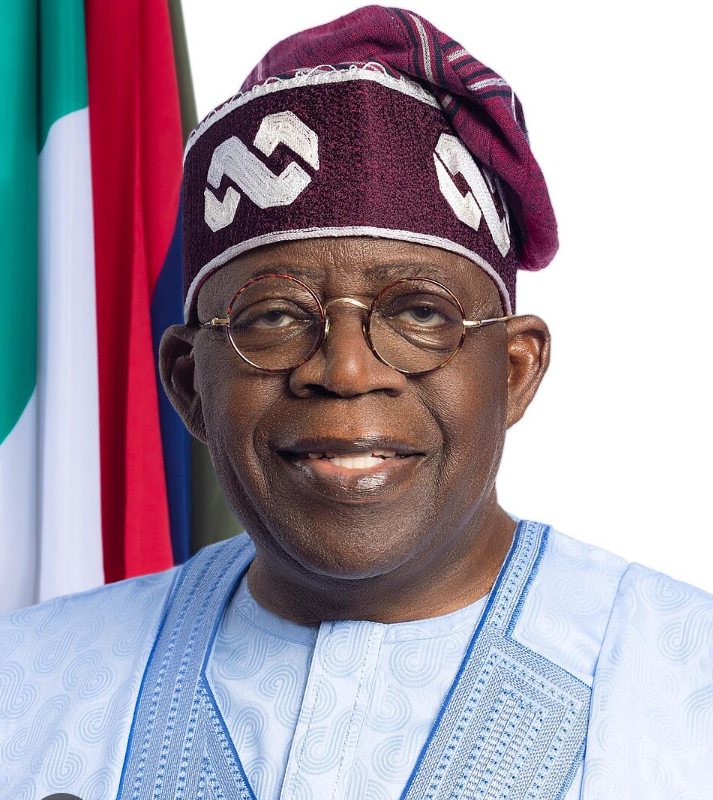
Nigeria awoke to a heavy sense of grief and reflection after President Bola Ahmed Tinubu publicly expressed his sympathies to world-renowned boxer Anthony Joshua and his family following a tragic road accident on the Lagos–Ibadan Expressway that claimed two lives and left the celebrated athlete injured. The message, shared via the president’s official X (formerly Twitter) account, struck a deeply emotional chord across the country, blending condolence, national solidarity, and a sober reminder of life’s fragility during what is typically a season of celebration.
According to the president’s statement, the accident not only resulted in the loss of two “precious lives” but also caused injuries to Joshua, a figure widely regarded as one of Nigeria’s most successful global sports exports. Tinubu described the incident as an “immense tragedy” that has cast “a deep shadow on this season,” a phrase many Nigerians have echoed as news of the crash spread rapidly online and across traditional media platforms. While details surrounding the exact circumstances of the accident remain limited, the gravity of the outcome has been enough to prompt nationwide concern and sympathy.
In his message, President Tinubu extended his “deep sympathies” to Joshua and his family, acknowledging the emotional toll such an incident brings, especially when lives are lost. He emphasized the pain of bearing the “emotional weight of this unfortunate incident,” a sentiment that resonated strongly with fans who have followed Joshua’s career from his early days in the boxing ring to his rise as a global heavyweight champion. The president’s words reflected not only the gravity of the tragedy but also a personal tone of compassion that underscored the shared humanity between leader and citizen.
Anthony Joshua, popularly known as AJ, has long been a source of pride for Nigeria, even as he represents Great Britain in international boxing. Born to Nigerian parents and often vocal about his roots, Joshua has consistently embraced his heritage, earning admiration from millions of Nigerians who see him as a symbol of excellence, discipline, and perseverance. President Tinubu highlighted these qualities in his message, noting that Joshua has “always shown courage, discipline, and unwavering love for our country,” attributes that have elevated him beyond sports into the realm of national inspiration.
The president’s reference to Joshua’s character served as a reminder of why the boxer holds such a special place in the hearts of Nigerians. Beyond championship belts and sold-out arenas, Joshua’s story has often been framed as one of resilience and hard work, values that resonate deeply in a country where sports figures frequently serve as beacons of hope. In moments like this, when triumph gives way to tragedy, that connection becomes even more pronounced, drawing the nation closer to one of its own.
Tinubu also used the opportunity to call for unity and mutual support, urging Nigerians to “encourage one another as brothers and sisters with a shared destiny.” This appeal to collective empathy went beyond the accident itself, touching on a broader national consciousness shaped by shared joys and sorrows. In a country grappling with economic pressures, security concerns, and everyday struggles, the president’s words framed the tragedy as a moment for collective compassion rather than division.
The Lagos–Ibadan Expressway, where the accident occurred, is one of Nigeria’s busiest and most notorious highways, long associated with traffic congestion and frequent accidents. News of a fatal crash involving a global sports icon once again brought attention to the dangers that persist on the route, sparking renewed conversations online about road safety, infrastructure, and the human cost of such incidents. While the president’s statement focused on sympathy and prayer, many Nigerians interpreted it as a subtle reminder of the urgent need to prioritize safety on the nation’s roads.
As messages of support poured in from fans, fellow athletes, entertainers, and public figures, Joshua’s name trended across social media platforms, accompanied by prayers for his recovery and condolences for the victims who lost their lives. Many Nigerians expressed sorrow not only for the boxer but also for the unnamed individuals whose lives were cut short, emphasizing that every life lost on the road is a tragedy that ripples through families and communities.
In his closing remarks, President Tinubu offered prayers for Joshua’s healing and for the souls of the departed, asking God to grant the boxer “strength, wisdom, and grace” during this painful period. He also prayed for a “speedy recovery” for Joshua and “repose to the souls of the departed,” blending faith with statecraft in a manner familiar to many Nigerians, for whom spirituality remains a central source of comfort in times of loss.
The president’s message stood out not only because of Joshua’s celebrity status but also because it reflected a broader culture of empathy expected from national leaders during moments of public grief. For many, it was a reminder that behind the titles and achievements, public figures are still human beings vulnerable to the same sudden tragedies that affect ordinary citizens every day.
As the nation continues to process the news, the focus remains on healing, remembrance, and solidarity. The tragic accident has underscored how quickly life can change, even for those at the pinnacle of global success. President Tinubu’s words, shared in a moment of national sadness, served as both a condolence and a call for unity, urging Nigerians to stand together, comfort one another, and honor the lives lost by reaffirming shared values of compassion and humanity.
In the days ahead, as more information emerges and the families affected begin the long journey of healing, the tragedy on the Lagos–Ibadan Expressway will likely remain etched in the nation’s memory. For now, Nigerians join their president in extending prayers and support to Anthony Joshua and all those touched by the loss, united in grief, hope, and the enduring belief that even in the darkest moments, compassion can light the way forward.
Popular Posts
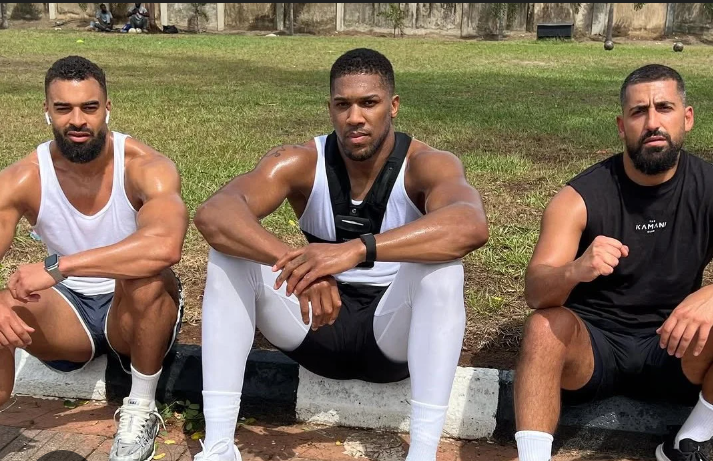
Tragedy in Ogun: Anthony Joshua Crash Victims Identified as Close Friend and Trainer
30 Dec, 2025
A Nation in Mourning: President Tinubu Reaches Out to Anthony Joshua After Tragic Lagos–Ibadan Expressway Accident
30 Dec, 2025
Fake Protection, Real Danger: NAFDAC Raises Alarm as Counterfeit K+ss Condoms Flood Nigerian Markets
30 Dec, 2025Scroll to Top