news
Fake Protection, Real Danger: NAFDAC Raises Alarm as Counterfeit K+ss Condoms Flood Nigerian Markets
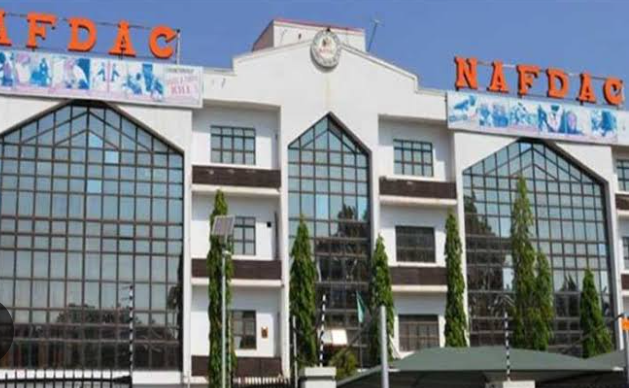
Nigeria’s drug and food regulatory authority has raised a serious public health alarm following the discovery of counterfeit versions of a popular condom brand circulating widely across major markets in the country. The National Agency for Food and Drug Administration and Control (NAFDAC) has warned Nigerians against the sale and use of fake K+ss condoms, describing the development as a dangerous threat to sexual and reproductive health nationwide.
In a public alert issued on Monday, identified as Public Alert No. 042/2025, NAFDAC said the warning was prompted by intelligence received from DKT International Nigeria, the official Marketing Authorisation Holder for K+ss condoms in the country. According to the agency, investigations confirmed that counterfeit products bearing the K+ss brand name have infiltrated several open markets and commercial hubs, exposing unsuspecting consumers to serious risks.
NAFDAC disclosed that the fake condoms have been detected in some of Nigeria’s busiest and most influential markets, including Onitsha Main Market in Anambra State, Idumota and Trade Fair markets in Lagos, as well as markets in Kano, Abuja, Uyo, Gombe, Enugu and other locations across the country. The agency warned that the wide geographic spread of the counterfeit products suggests a coordinated distribution network and underscores the urgency of public awareness.
K+ss condoms, NAFDAC explained, are male latex condoms designed to prevent unwanted pregnancies and protect against sexually transmitted infections, including HIV, gonorrhoea and syphilis. When properly manufactured and used, condoms remain one of the most accessible and effective tools for sexual health protection. However, the agency cautioned that counterfeit versions completely undermine these protections, offering users nothing more than a false sense of safety.
According to NAFDAC, fake condoms may be poorly manufactured, improperly stored or made with substandard materials, increasing the likelihood of breakage during use. Such failures could expose users to infections, unintended pregnancies and, in some cases, allergic reactions or skin irritation. The agency stressed that the danger is not always immediately visible, as many consumers may assume they are protected simply because the product appears genuine.
To help Nigerians distinguish between authentic and fake K+ss condoms, NAFDAC released detailed identification guidelines. The agency stated that genuine K+ss condom boxes contain clear and readable instructions for use, proper storage information, cautionary notes and complete manufacturer details. Original packaging is lighter in colour and features a visible condom image on the box, providing reassurance of authenticity.
In contrast, the counterfeit versions reportedly lack vital side information and often come in darker-coloured packaging. NAFDAC noted that the inner boxes of fake products are usually plain white and do not carry any condom images. In many cases, the manufacturer’s address is either incomplete, incorrect or entirely missing, and there is no information on storage conditions or safety precautions.
Further differences were identified in the appearance of individual packs. According to the agency, genuine K+ss condom packs are light red in colour, with the brand name written closely across six lines. Fake packs, on the other hand, tend to be darker, with the brand name loosely written across five lines and noticeably longer strips. NAFDAC added that authentic condoms are typically larger, oval-shaped, well-lubricated and have bigger teat ends, while counterfeit versions are thinner, less lubricated and visibly inferior in quality.
Public health experts say the circulation of fake condoms is particularly worrying in a country like Nigeria, where access to reliable sexual health products remains critical in the fight against HIV and other sexually transmitted infections. The presence of counterfeit protective products in the market not only puts individuals at risk but also threatens broader public health efforts aimed at reducing infection rates and promoting responsible reproductive health choices.
NAFDAC said it has directed its zonal directors and state coordinators to intensify market surveillance and enforcement activities nationwide. According to the agency, officers have been instructed to identify, seize and remove counterfeit K+ss condoms wherever they are found, while also tracking supply chains to prevent further distribution. The agency emphasized that these efforts will be sustained until the fake products are completely eliminated from the market.
The regulator also urged traders and distributors to cooperate fully with enforcement teams, warning that anyone found knowingly involved in the sale or distribution of counterfeit medical products would face strict regulatory sanctions. NAFDAC reiterated that the sale of fake condoms is not just a commercial offence but a serious public health violation with potentially life-altering consequences.
Beyond enforcement, NAFDAC appealed directly to the public to remain vigilant and informed. Nigerians were advised to carefully inspect condom packaging before purchase, buy only from trusted vendors and report any suspicious products. Healthcare professionals, pharmacists and patent medicine vendors were also encouraged to play an active role by educating consumers and promptly reporting suspected counterfeit or substandard medical products to the nearest NAFDAC office.
The agency stressed that public cooperation is essential in curbing the spread of fake medical products, noting that regulatory action alone is not enough. By reporting suspicious items and avoiding questionable sources, consumers can help protect themselves and others from preventable harm.
As the fake K+ss condom alert continues to draw attention, the incident serves as a reminder of the broader challenge posed by counterfeit health products in Nigeria’s informal markets. While condoms are small and often discreet purchases, their role in safeguarding health is enormous. NAFDAC’s warning underscores a simple but critical message: when it comes to protection, fake products can carry very real and lasting consequences.
Popular Posts

Tragedy in Ogun: Anthony Joshua Crash Victims Identified as Close Friend and Trainer
30 Dec, 2025
A Nation in Mourning: President Tinubu Reaches Out to Anthony Joshua After Tragic Lagos–Ibadan Expressway Accident
30 Dec, 2025
Fake Protection, Real Danger: NAFDAC Raises Alarm as Counterfeit K+ss Condoms Flood Nigerian Markets
30 Dec, 2025Scroll to Top