sport
AFCON 2025: Mozambique President Promises Players ₦11.3m Each to Defeat Nigeria, Sparks Online Banter
Mozambique President Daniel Chapo has stirred reactions across African football circles after offering a financial incentive to his country’s national team, the Mambas, ahead of their Africa Cup of Nations (AFCON) 2025 Round of 16 clash against Nigeria’s Super Eagles.
The Mozambican leader reportedly pledged 500,000 meticais to each player if they manage to knock Nigeria out of the tournament, a sum estimated at about ₦11.3 million or $7,800 per player.
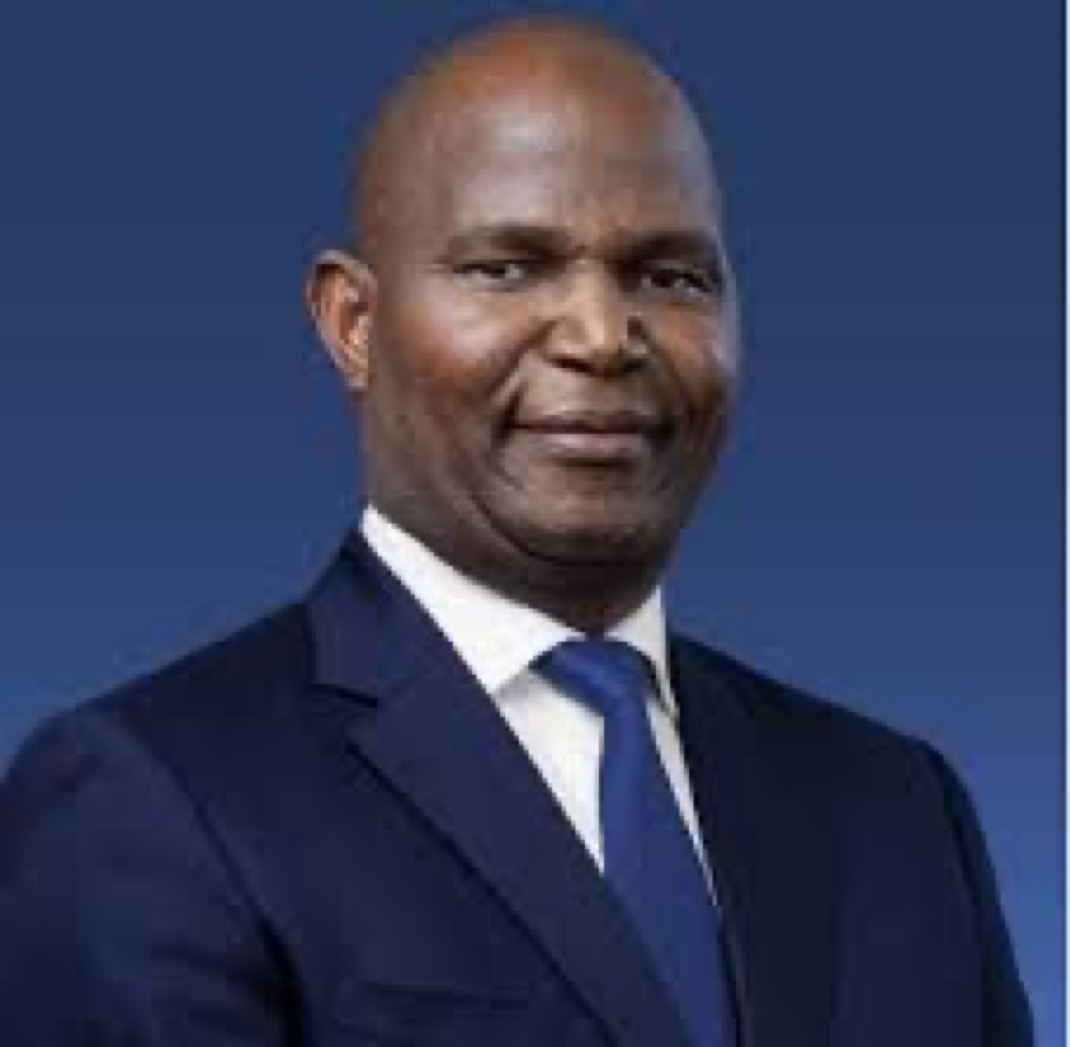
The announcement, which surfaced via a viral post accompanied by President Chapo’s official portrait, quickly gained traction online, racking up more than 248,000 views and over 6,500 likes within hours. While such presidential bonuses are not uncommon in African football, the development ignited intense reactions, particularly among Nigerian fans who viewed the gesture with a mix of amusement, confidence, and cultural banter.
For Mozambique, the promise reflects the high stakes attached to the encounter. The Mambas, often considered underdogs on the continental stage, have historically struggled to make deep runs at AFCON. Facing Nigeria in the knockout stage represents both a daunting challenge and a rare opportunity to announce themselves among Africa’s elite. By dangling a financial reward, President Chapo appears keen to motivate his players to rise above expectations and produce a historic upset.
However, on the Nigerian side of the internet, the reaction has been anything but anxious. Many Super Eagles supporters flooded social media with jokes suggesting that the bonus amount was “too small” to inspire an upset against a football powerhouse like Nigeria. Some users humorously claimed the money would only be enough to “secure a respectable loss,” while others compared the pledge to local political promises made during grassroots competitions back home.
Beyond the jokes lies a deeper layer of confidence rooted in Nigeria’s football pedigree. The Super Eagles remain one of Africa’s most successful national teams, boasting multiple AFCON titles and a long list of globally recognized stars. Even amid occasional inconsistencies, Nigeria’s squad depth, experience, and tournament mentality have made them perennial favorites whenever the competition reaches the knockout rounds. For many fans, the idea that a financial incentive alone could tilt the balance against Nigeria felt almost insulting, hence the lighthearted mockery.
Still, the episode highlights a broader reality of African football, where government involvement and player bonuses often play a significant motivational role. Across the continent, presidents and governors have frequently promised cash rewards, houses, cars, or promotions to national teams for achieving sporting milestones. In some cases, such incentives have fueled remarkable performances, while in others they have merely added pressure without delivering results.
The differing reactions also underscore the economic contrasts shaping fan perceptions. While ₦11.3 million is a substantial amount by many standards, Nigerian fans were quick to contextualize it against the scale of modern football earnings and the stakes of AFCON knockout football. Comparisons were drawn to bonuses reportedly paid to Nigerian players in past tournaments, as well as to lucrative club contracts enjoyed by several Super Eagles stars in Europe. This contrast fed into the online humor, with some users sarcastically thanking President Chapo for “motivating Nigeria to win even harder.”
Yet, from Mozambique’s perspective, the pledge is far from insignificant. In a country where average incomes are relatively low, a 500,000 meticais bonus represents a life-changing sum for many players. It signals presidential backing, national pride, and belief in the team’s ability to challenge stronger opponents. For the Mambas, such support could translate into extra determination, grit, and willingness to fight for every ball against a more fancied side.
The online exchanges that followed reveal the unique culture of pan-African sports rivalry, where football discourse effortlessly blends humor, nationalism, and mutual teasing. Nigerian fans’ confidence-driven jokes coexist with Mozambican supporters’ quiet hope that football, as always, can produce the unexpected. After all, AFCON has built its reputation on shocks, upsets, and moments that defy rankings and reputations.
As the Round of 16 showdown approaches, the focus will inevitably shift from social media banter to the pitch. Financial incentives may boost morale, but ninety minutes of football will ultimately decide the outcome. Nigeria will aim to justify the confidence of their fans and reaffirm their status as continental heavyweights, while Mozambique will hope that belief, motivation, and presidential backing can fuel a performance for the ages.
Regardless of the result, President Chapo’s promise has already achieved one thing: it has injected extra spice into an already intriguing AFCON fixture, reminding fans across Africa that football is never just about goals and tactics, but also about pride, politics, and the stories that unfold far beyond the final whistle.
Popular Posts
Former Attorney-General Abubakar Malami to Remain in Custody as Court Defers Bail Ruling to January 7
02 Jan, 2026
₦1.4 Trillion on the Table: How Nigeria’s Food Import Bill Exposes a Deeper Economic Dependence
02 Jan, 2026
“The Dog Is Barking”: Wike Fires Back at Fubara in a Fresh Political Storm
02 Jan, 2026Scroll to Top