news
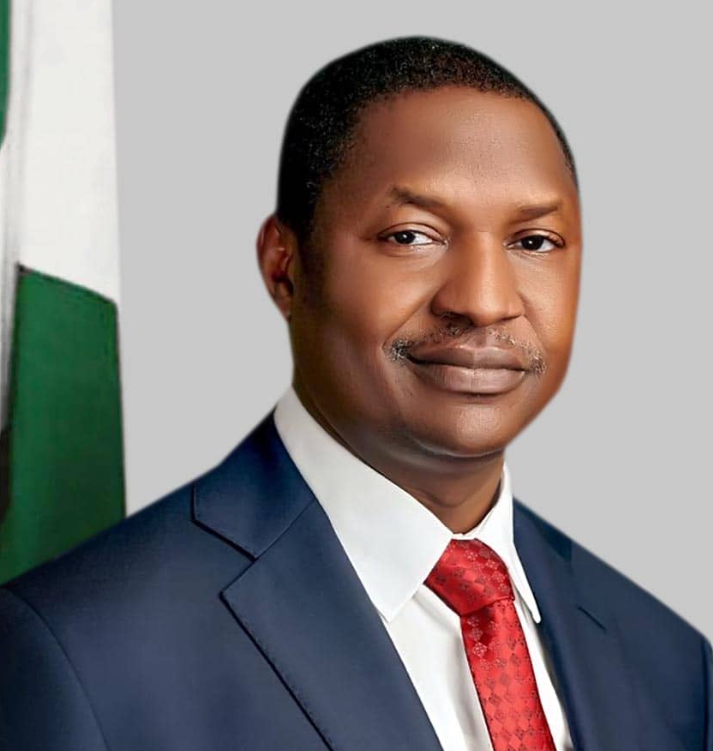
Former Attorney-General Abubakar Malami to Remain in Custody as Court Defers Bail Ruling to January 7
The Federal High Court on Thursday adjourned its ruling on the bail application of former Attorney-General of the Federation and Minister of Justice, Abubakar Malami (SAN), ordering that he remain in custody until Wednesday, January 7, when a decision will be delivered. The court’s order means Malami, alongside his son, Abubakar Abdulaziz Malami, and Hajia Bashir Asabe, a staff member of Ramadiya Property Limited, will continue to be held at the Kuje Correctional Centre pending the outcome of their bail requests.
The adjournment followed arguments from both the prosecution and defence teams during proceedings that drew significant public and legal attention, given Malami’s prominent role in Nigeria’s recent political and legal history. As the nation’s chief law officer until the end of the previous administration, Malami wielded substantial influence over federal prosecutions, constitutional matters, and high-profile legal disputes. His current legal battle has therefore generated widespread debate across legal circles, political spaces, and social media platforms.
According to court officials, the presiding judge stated that more time was required to carefully consider the submissions made by both sides before reaching a determination on whether bail should be granted. The judge emphasized the importance of ensuring that due process is followed and that the court’s decision reflects a thorough examination of the facts and legal arguments presented.
With the court’s order, Malami and the two other defendants were returned to Kuje Prison, where they have been held since their arraignment. The development has intensified public scrutiny, particularly as images and reports of a former Attorney-General being remanded in custody continue to dominate national discourse. For many observers, the situation represents a striking reversal of fortune for a man who once stood at the pinnacle of Nigeria’s legal system.
Legal practitioners following the case say the decision to adjourn the bail ruling is not unusual, especially in matters involving multiple defendants and complex allegations. They note that courts often take additional time to weigh factors such as the nature of the charges, the likelihood of the defendants interfering with investigations, and assurances that they will be available for trial if released on bail.
Supporters of Malami have described the continued detention as excessive, arguing that he is a senior legal professional with known residential addresses and strong ties to the country, making him unlikely to abscond. Some have also pointed to his previous service to the nation, insisting that he deserves to be treated with dignity and fairness under the law.
On the other hand, critics argue that the court’s decision sends an important message about equality before the law. They contend that Malami’s former position should not shield him from the same legal processes faced by ordinary citizens and that the judiciary must be allowed to operate independently, free from political or public pressure.
The inclusion of Malami’s son, Abubakar Abdulaziz Malami, in the case has further heightened interest and controversy. Analysts say it underscores the seriousness of the allegations and broadens the scope of the matter beyond a single individual. Hajia Bashir Asabe’s involvement, as a staff member of Ramadiya Property Limited, has also drawn attention to the corporate dimensions of the case and raised questions about the role of private entities in the issues before the court.
Outside the courtroom, reactions have been mixed. Some Nigerians see the development as part of a broader push to strengthen accountability and tackle alleged wrongdoing among former public officials. Others are more cautious, warning against rushing to judgment before the court has fully examined the evidence and delivered its rulings.
Human rights advocates have also weighed in, stressing that while accountability is crucial, the rights of the accused must be respected. They have called on authorities to ensure humane treatment of the defendants while they remain in custody and to avoid any actions that could be perceived as prejudicial before the conclusion of the legal process.
The Kuje Correctional Centre, where the defendants are being held, is one of Nigeria’s most prominent custodial facilities, known for housing high-profile detainees. News of Malami’s continued stay there has added another layer of symbolism to the case, reinforcing the perception of a shifting landscape in how powerful figures are treated when they come under legal scrutiny.
As the January 7 date approaches, expectations are building around the court’s forthcoming decision. Legal experts say the ruling on bail could set the tone for how the case proceeds, influencing public perception and possibly shaping the strategies of both the prosecution and the defence. Whether bail is granted or denied, the decision is likely to be closely analyzed and widely discussed.
For now, the court has made it clear that it intends to proceed cautiously and deliberately. By adjourning the bail ruling, the judge signaled a commitment to due process and judicial prudence, even amid intense public interest. Until the next hearing date, Abubakar Malami, his son, and Hajia Bashir Asabe will remain in custody, awaiting a decision that could significantly alter the course of their legal journey.
The unfolding case serves as a reminder of the far-reaching implications of the rule of law and the enduring scrutiny that accompanies public office in Nigeria. As the nation watches, the Federal High Court’s eventual ruling on January 7 will not only determine the immediate fate of the defendants but will also contribute to the broader conversation about justice, accountability, and equality before the law in the country.
Popular Posts
Former Attorney-General Abubakar Malami to Remain in Custody as Court Defers Bail Ruling to January 7
02 Jan, 2026
₦1.4 Trillion on the Table: How Nigeria’s Food Import Bill Exposes a Deeper Economic Dependence
02 Jan, 2026
“The Dog Is Barking”: Wike Fires Back at Fubara in a Fresh Political Storm
02 Jan, 2026Scroll to Top