sport
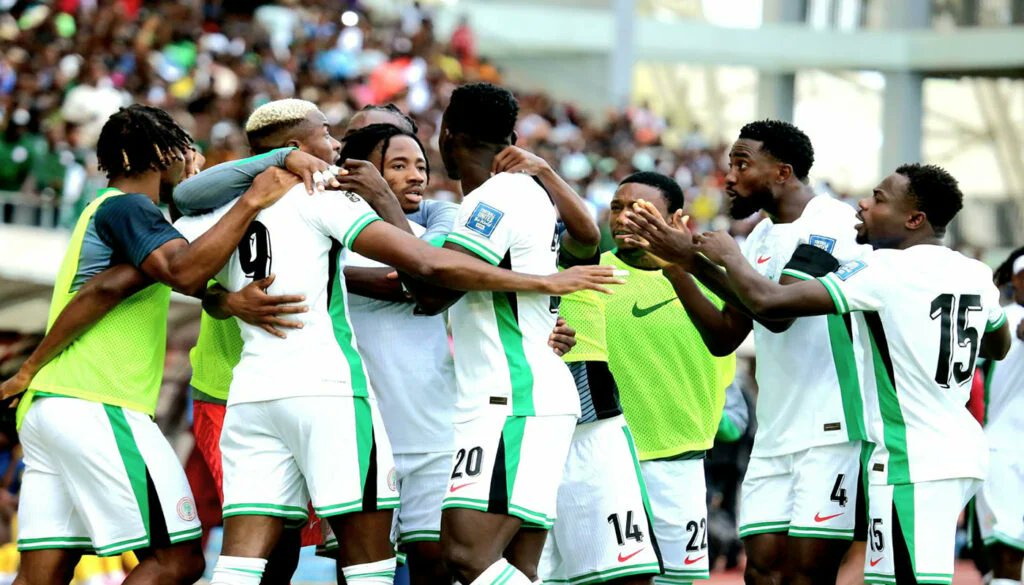
FIFA Probe Rocks DR Congo After Penalty Win Over Nigeria as Super Eagles’ World Cup Hopes Get Surprise Lifeline
Just when it appeared that Nigeria’s long and painful road to the 2026 World Cup had reached another dead end, an unexpected twist has thrown the African playoff into fresh controversy. FIFA has opened an investigation into the Democratic Republic of Congo over allegations that as many as nine players who featured in their dramatic penalty-shootout victory over the Super Eagles may have been ineligible to represent the country under international football regulations.
The probe centers on claims that the affected players, though in possession of Congolese passports, failed to complete critical legal steps required under Congolese nationality law. According to sources familiar with the matter, FIFA’s concern is not about passports alone, but about whether the players formally renounced their previous national allegiances through legally binding administrative processes, a requirement that goes beyond football paperwork and into national law compliance.
This development has reignited a match many Nigerians are still struggling to process. In the decisive African playoff for a 2026 World Cup intercontinental spot, Nigeria and DR Congo battled to a tense 1-1 draw before the Congolese side edged the Super Eagles 4-3 on penalties. The defeat was widely seen as another crushing chapter in Nigeria’s recent qualification struggles, sparking anger, heartbreak, and soul-searching among fans who watched a once-dominant football nation stumble yet again on the global stage.
Now, with FIFA stepping in, that result is no longer set in stone. If the investigation confirms that DR Congo fielded ineligible players, the consequences could be severe. Under FIFA statutes, such violations can lead to match forfeiture, which would hand Nigeria a technical victory and potentially automatic qualification for the next phase, reopening a door that seemed firmly shut just days ago.
The controversy highlights a critical but often misunderstood aspect of international football. Eligibility is not determined solely by holding a passport or being cleared by a football federation. FIFA rules require that any player switching national teams must fully comply with the nationality laws of the country they wish to represent. This includes formal renunciation of previous citizenships where required by law, as well as completion of all administrative and legal documentation. Failure at any stage can render a player ineligible, regardless of appearances or approvals at match level.
Online reactions in Nigeria have been swift, emotional, and deeply divided. For many fans still nursing wounds from the penalty defeat, the FIFA probe feels like a long-awaited stroke of justice. Social media has been flooded with hopeful messages, with supporters arguing that Nigeria lost not because they were inferior on the pitch, but because the playing field may not have been level. To them, qualification via enforcement of rules is not “luck,” but fairness.
Others, however, are far less celebratory. A vocal section of fans and analysts have criticized the idea of Nigeria advancing through technicalities rather than footballing excellence. They argue that relying on administrative loopholes only masks deeper systemic problems within Nigerian football, from poor planning and inconsistent coaching to talent mismanagement and federation politics. For these critics, even if Nigeria benefits from the ruling, it should not distract from the urgent need for reform.
The debate has not stayed within Nigerian borders. Rival fans across Africa, particularly from South Africa, have seized the moment to mock the unfolding situation. In the ever-heated online rivalries fueled by AFCON history and World Cup bragging rights, Nigeria has become the target of jokes suggesting the Super Eagles are now “qualifying by email” rather than goals. The banter, while sharp, reflects how high the stakes remain for African football nations desperate for global relevance.
For DR Congo, the investigation represents a serious threat to what had been celebrated as a historic sporting achievement. Their penalty win over Nigeria was hailed domestically as proof of progress and resilience, a statement that the nation could compete with Africa’s traditional heavyweights. The possibility that the result could be overturned has sparked quiet anxiety among Congolese fans, even as officials maintain confidence that proper procedures were followed.
FIFA has so far remained cautious, neither confirming the identities of the players under scrutiny nor setting a clear timeline for the investigation’s conclusion. However, sources indicate that the governing body is examining documentation related to nationality switches, renunciation certificates, and compliance with Congolese civil law. The outcome could range from dismissal of the claims to fines, suspensions, or the most dramatic option: annulment of the match result.
For the Super Eagles, the uncertainty has created an unusual emotional space. A team that had already begun processing failure is now forced to wait in limbo, unsure whether to grieve or prepare for a second chance. Players, officials, and fans alike are caught between hope and realism, aware that even if FIFA rules in Nigeria’s favor, the underlying issues that led to the playoff defeat remain unresolved.
Beyond the immediate implications for World Cup qualification, the case sends a strong signal across Africa and beyond. FIFA’s willingness to investigate nationality compliance underscores a growing insistence on strict adherence to eligibility rules, particularly as more players with dual citizenships navigate international careers. It serves as a warning that shortcuts, oversights, or assumptions can undo achievements earned on the pitch.
As the football world waits for FIFA’s decision, one thing is certain: the story of Nigeria versus DR Congo is no longer just about penalties missed or scored. It has become a complex battle of law, identity, and fairness, with the fate of a World Cup dream hanging not on a goalkeeper’s gloves, but on documents, signatures, and legal truths that may yet rewrite African football history.
Popular Posts

“I Owe You Loyalty Forever”: IVD’s Emotional Tribute to Blessing CEO After Release From Prison Custody
16 Dec, 2025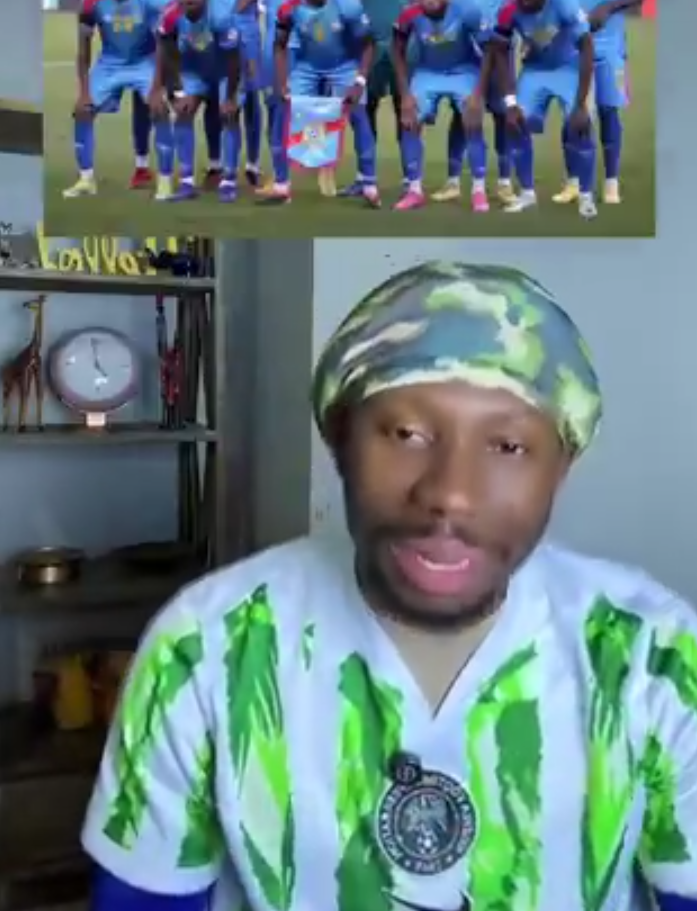
Nigeria Back in the 2026 World Cup Race as FIFA Probes DR Congo Eligibility, Analyst Reveals
16 Dec, 2025
“The Bouquet Is the Message”: Odumodublvck’s Dollar Demand Sparks a New Debate on Love, Clout, and the Cost of Romance in Nigeria
16 Dec, 2025Scroll to Top