Entertainment
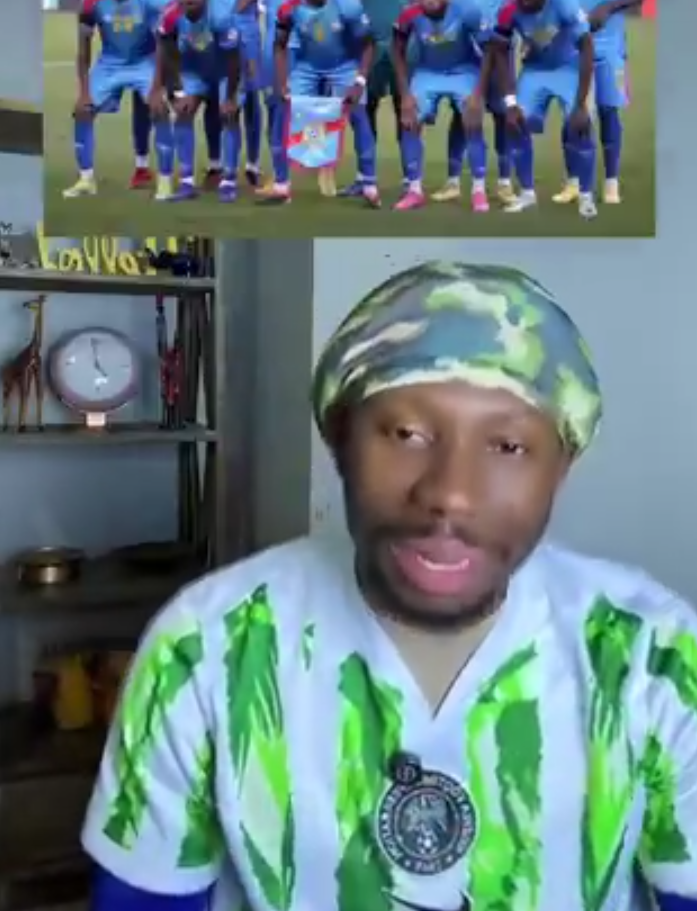
Nigeria Back in the 2026 World Cup Race as FIFA Probes DR Congo Eligibility, Analyst Reveals
Nigeria’s fading 2026 FIFA World Cup hopes have been unexpectedly reignited following revelations that FIFA has opened a probe into the eligibility of the Democratic Republic of Congo in the African qualifiers, a development that could significantly alter the standings and put the Super Eagles back in contention. What once looked like a painful and familiar path toward another World Cup disappointment is now being reexamined through a lens of cautious optimism, as analysts say the situation could hand Nigeria a lifeline if the investigation leads to sanctions.
The Super Eagles’ qualifying campaign has so far been turbulent, marked by dropped points, tactical debates, injuries, and growing frustration among fans who have watched Nigeria struggle to assert dominance in a group many believed was manageable. With draws and narrow results stacking up, Nigeria appeared to be slipping behind rivals who took better advantage of early fixtures. For many supporters, the fear of missing back-to-back World Cups began to feel alarmingly real, especially given Nigeria’s pedigree and the expanded 2026 tournament that offers Africa more slots than ever before.
That narrative, however, shifted when reports emerged that FIFA is reviewing DR Congo’s use of certain players during the qualifiers amid questions surrounding eligibility rules. According to football analysts monitoring the situation, the probe centers on potential violations of FIFA regulations, which could include issues such as improper nationality documentation, dual allegiance conflicts, or administrative oversights related to player registration. While FIFA has not yet released an official verdict, even the possibility of sanctions has sent ripples across the qualifying group.
If DR Congo is found guilty of fielding ineligible players, the consequences could be severe. Possible outcomes range from forfeiture of matches and point deductions to outright disqualification, depending on the gravity of the violation and FIFA’s final ruling. For Nigeria, this could mean a dramatic reshuffling of the group table, potentially restoring points that seemed lost and reopening a qualification pathway that appeared nearly closed.
An analyst familiar with CAF qualification dynamics explained that such cases, while rare, have historically had major implications. In previous World Cup and AFCON qualifiers, teams penalized for eligibility breaches have lost crucial points, benefiting rivals who were trailing behind. In tightly contested groups, a single ruling can reverse months of results, and Nigeria’s situation fits that pattern almost perfectly. With margins currently slim, any deduction imposed on DR Congo could push the Super Eagles back into a competitive position.
Beyond the mathematics of points and standings, the psychological impact on the Nigerian camp is equally significant. Players and coaching staff who had been under intense pressure now find renewed motivation, knowing that the race is not over. Sources close to the team suggest that the possibility of FIFA intervention has injected fresh belief into the squad, reinforcing the message that they must remain focused, collect maximum points in remaining fixtures, and be ready to capitalize on any external developments.
For Nigerian fans, the news has sparked mixed emotions. There is excitement at the prospect of a second chance, but also frustration that the country’s World Cup destiny might hinge on administrative rulings rather than dominant performances on the pitch. Social media reactions reflect this divide, with some supporters urging the team to “stop relying on calculators and courtrooms,” while others argue that Nigeria has been unlucky in recent qualifiers and deserves any fair opportunity to advance.
The Nigeria Football Federation is reportedly monitoring the situation closely, though officials have remained cautious in their public statements. Privately, however, insiders acknowledge that FIFA’s probe could be pivotal. The NFF is said to be ensuring that Nigeria’s own administrative records are airtight, keen to avoid any scrutiny that could undermine the team’s position should the group standings change.
This development also raises broader questions about governance and enforcement within African football. Eligibility controversies are not new on the continent, often exposing weaknesses in record-keeping, documentation, and oversight. Analysts argue that FIFA’s willingness to investigate such matters is a reminder that qualifiers are decided not only by goals and tactics but also by strict adherence to regulations. For teams like Nigeria, with a large diaspora and many players eligible through multiple nationalities, compliance is especially critical.
The expanded format of the 2026 World Cup, hosted jointly by the United States, Canada, and Mexico, was meant to ease Africa’s qualification burden, giving traditional powerhouses more room for error. Yet Nigeria’s struggles show that expansion alone does not guarantee qualification. The current scenario underscores how competitive African qualifiers remain, with emerging teams improving rapidly and established giants facing relentless pressure.
As the investigation continues, all eyes will be on FIFA’s disciplinary committees and the timeline for a decision. Analysts caution that such probes can take weeks or even months, meaning Nigeria must proceed as though nothing is guaranteed. Dropping points in anticipation of a favorable ruling could prove disastrous if FIFA ultimately clears DR Congo of wrongdoing.
For now, the Super Eagles’ task is clear. They must approach upcoming fixtures with urgency, consistency, and professionalism, ensuring that if the door to qualification opens even slightly, they are ready to walk through it. Coaches are expected to fine-tune tactics, address defensive lapses, and maximize Nigeria’s attacking talent, knowing that every goal and point could matter in the final reckoning.
In the bigger picture, this unexpected twist has restored drama to Nigeria’s World Cup story. What once felt like a slow fade into disappointment has become a suspenseful waiting game, blending on-field battles with off-field developments. Whether FIFA’s probe ultimately reshapes the group or not, it has already changed the mood around Nigeria’s campaign, replacing resignation with cautious hope.
As one analyst put it, Nigeria is back in the race, not by default, but by possibility. The Super Eagles may yet find themselves boarding the road to North America in 2026, but only if they pair renewed belief with decisive performances and allow the process to run its course. Until FIFA delivers its verdict, Nigeria’s World Cup dream remains alive, fragile, and fiercely contested.
Nigeria Back in 2026 World Cup Race as FIFA Probes DR Congo Eligibility, Analyst Revealspic.twitter.com/T8FTpf85Bk
— Instablog9ja (@instablog9ja) December 16, 2025
Twitter Post
Visit websitePopular Posts

“I Owe You Loyalty Forever”: IVD’s Emotional Tribute to Blessing CEO After Release From Prison Custody
16 Dec, 2025
Nigeria Back in the 2026 World Cup Race as FIFA Probes DR Congo Eligibility, Analyst Reveals
16 Dec, 2025
“The Bouquet Is the Message”: Odumodublvck’s Dollar Demand Sparks a New Debate on Love, Clout, and the Cost of Romance in Nigeria
16 Dec, 2025Scroll to Top