Entertainment
“The Bouquet Is the Message”: Odumodublvck’s Dollar Demand Sparks a New Debate on Love, Clout, and the Cost of Romance in Nigeria
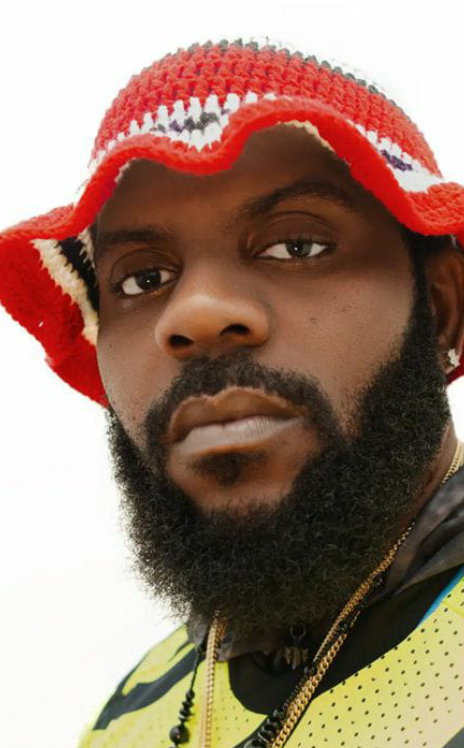
A single post by rapper Odumodublvck has once again proven how a few lines on social media can ignite a full-blown national conversation, especially when it touches on money, love, and the ever-sensitive issue of status. In a message written in his signature streetwise, all-caps style, the Abuja-bred artiste warned men to stop sending women bouquets made of naira notes, dismissing the gesture as “rubbish” and arguing that such displays rarely exceed ₦300,000 or, at best, ₦500,000. According to him, anyone serious should simply “squeeze 1k dolly” — slang for one thousand dollars — into a woman’s hand instead. He ended the post with a dramatic declaration that the trend must stop in 2025, calling it a “pandemic.”
As expected, the post spread rapidly across X, Instagram, and WhatsApp groups, drawing reactions from fans, critics, economists, feminists, romantics, and those simply amused by the bluntness of the message. For some, Odumodublvck was merely saying what many already think but are afraid to admit: that flashy naira bouquets are more about optics than real value. For others, the post was another example of how social media has turned relationships into performance art, where affection is measured not by thoughtfulness or commitment, but by exchange rates and online applause.
At the heart of the controversy is symbolism. Money bouquets have become a staple at birthdays, weddings, album launches, and even casual hangouts in Nigeria’s urban social scene. Carefully folded naira notes arranged like flowers are meant to signal generosity, wealth, and effort. They photograph well, circulate easily online, and often serve as proof that someone “showed up” financially. Odumodublvck’s argument, however, punctures that illusion. By pointing out the actual value of these bouquets, he reframes them as exaggerated displays that lose their shine once counted, especially in an economy where the dollar has become the ultimate benchmark of worth.
The reference to dollars is not accidental. In today’s Nigeria, foreign currency carries a psychological weight far beyond its numerical value. The dollar represents stability, global relevance, and a hedge against inflation. To many young people, earning or gifting in dollars is seen as evidence of having “escaped” the harshest realities of the local economy. By suggesting that ₦300,000 to ₦500,000 is inferior to $1,000, Odumodublvck taps into a broader anxiety about currency devaluation and what it means for personal worth and social standing.
Still, the post has not gone unchallenged. Critics argue that the rapper’s stance promotes a transactional view of relationships, where affection is reduced to the highest bidder and emotional connection is overshadowed by financial muscle. They point out that not everyone has access to dollars, and that insisting on foreign currency as the standard for romance only deepens class divides. For these critics, a naira bouquet, regardless of amount, can still carry meaning if it is given sincerely and within one’s means.
Others took a more satirical approach, joking that love in Nigeria now comes with a preferred currency and that romance has officially been dollarized. Memes flooded timelines, with some users mockingly offering to accept euros, pounds, or even cryptocurrency to stay “on trend” for 2025. Yet beneath the humor lies a serious question about how social media has reshaped expectations, especially among young Nigerians navigating relationships in an era of economic pressure and constant comparison.
Supporters of Odumodublvck, however, insist that his message was less about shaming men and more about calling out performative generosity. They argue that many naira bouquets are assembled not to genuinely please the recipient but to impress onlookers and farm engagement online. In that sense, the rapper’s post can be read as an attack on clout culture, where the appearance of wealth matters more than substance. To them, handing over $1,000 quietly, without cameras or dramatic packaging, is more honest than flaunting stacks of naira for likes.
The debate also intersects with gender dynamics. Some women felt unfairly targeted by the post, interpreting it as another attempt to police what women receive or expect in relationships. Others countered that the criticism should be directed at men who feel pressured to compete financially in ways that are unsustainable. The pressure to “show money” publicly has led some young men into debt, scams, or reckless spending just to keep up appearances, a reality that rarely makes it into celebratory Instagram posts.
In calling the trend a “pandemic,” Odumodublvck exaggerates for effect, but the word choice resonates. Like a virus, the culture of extravagant monetary displays spreads quickly, fueled by influencers, celebrities, and viral moments. What begins as an occasional gesture soon becomes an unspoken requirement, especially in certain social circles. Those who cannot keep up risk being labeled stingy, broke, or unserious, regardless of their other qualities.
As 2025 approaches, the rapper’s declaration that “the O has to stop” reads like both a challenge and a provocation. It forces a conversation Nigerians have been skirting around: what does generosity really mean in a struggling economy, and who sets the standards for love and appreciation? Is the value of a gift determined by its currency, its amount, or the intention behind it?

Ultimately, Odumodublvck’s post endures not because everyone agrees with him, but because it touches a nerve. It exposes the tension between authenticity and performance, between local realities and global aspirations. Whether naira or dollars, bouquets or envelopes, the argument reveals a society negotiating its values in real time, one viral post at a time. And as reactions continue to pour in, one thing is clear: in Nigeria’s digital age, even romance is no longer immune to economic debate.
Popular Posts

“I Owe You Loyalty Forever”: IVD’s Emotional Tribute to Blessing CEO After Release From Prison Custody
16 Dec, 2025
Nigeria Back in the 2026 World Cup Race as FIFA Probes DR Congo Eligibility, Analyst Reveals
16 Dec, 2025
“The Bouquet Is the Message”: Odumodublvck’s Dollar Demand Sparks a New Debate on Love, Clout, and the Cost of Romance in Nigeria
16 Dec, 2025Scroll to Top