Entertainment
“Gym Goals or Hidden Cost?” Baddie’s Comment on Cristiano Ronaldo’s Physique Ignites Online Debate
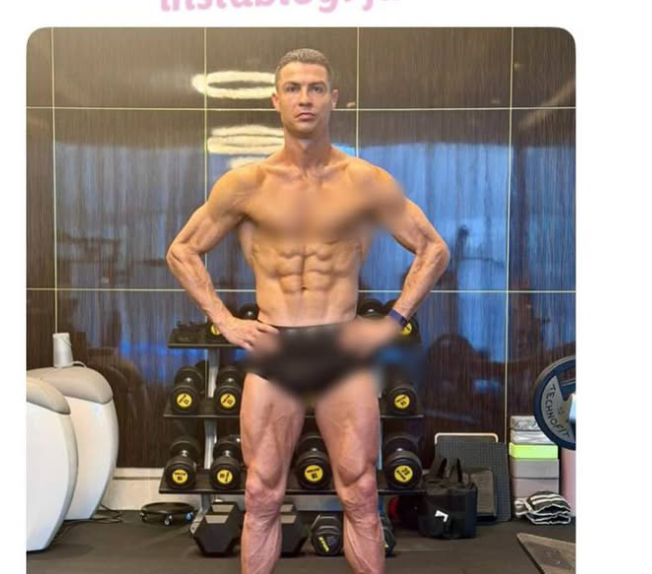
A casual comment about Cristiano Ronaldo’s famously sculpted physique has unexpectedly ignited a wide-ranging debate across social media, drawing in gym enthusiasts, health experts, fans of the football icon, and everyday users questioning modern fitness ideals. The conversation began after a self-described “baddie” shared a remark online suggesting that extremely low body fat levels in men could lead to reduced testosterone and low libido, a statement that quickly went viral due to its reference to one of the world’s most admired athletes.
Cristiano Ronaldo, often described as the gold standard of physical fitness in football, has long been celebrated for his disciplined lifestyle, chiseled abs, and commitment to training even into his late 30s. His body has been the subject of countless admiration posts, fitness breakdowns, and brand campaigns. However, the recent comment shifted attention from admiration to analysis, questioning whether the extreme leanness associated with elite athletic performance always aligns with optimal overall health.
Within hours, screenshots of the comment circulated widely, prompting heated discussions on X, Instagram, TikTok, and gym-focused forums. Many gym bros pushed back strongly, defending low body fat as a sign of discipline, strength, and peak performance. For them, Ronaldo represents proof that extreme fitness can coexist with longevity, success, and vitality. Several users argued that comparing an average gym-goer to an elite professional athlete was misleading, noting that Ronaldo has access to top-tier nutritionists, doctors, and recovery systems most people could never afford.
Others, however, saw the comment as an uncomfortable but necessary conversation starter. Some fitness coaches and wellness advocates agreed that while low body fat is often glorified, it may not always be sustainable or healthy for the average man. They pointed out that testosterone production, energy levels, mood stability, and overall hormonal balance can be sensitive to extreme caloric restriction or prolonged periods of being very lean, especially outside professional sports contexts.
Medical professionals who weighed in were careful to stress nuance. Several doctors explained that body fat plays a role in hormone regulation, but the relationship is complex and varies from person to person. While extremely low body fat percentages can affect hormonal balance in some men, especially if combined with overtraining, stress, or inadequate nutrition, it does not automatically mean low libido or testosterone for everyone. Genetics, age, sleep, diet quality, and training intensity all play major roles.
Ronaldo’s name, however, ensured the discussion stayed in the spotlight. Fans were quick to point out that the footballer is a father of multiple children, maintains high energy levels on the pitch, and continues to perform at an elite level, which many interpreted as evidence against the claim. Some accused the commenter of clout-chasing, arguing that targeting a global superstar was a guaranteed way to spark controversy and attention.
Still, the debate revealed a deeper cultural tension around male fitness standards. In recent years, social media has amplified hyper-lean, hyper-muscular physiques as the ideal, often without context. Filters, lighting, dehydration before photoshoots, and performance-enhancing substances are rarely discussed openly. As a result, many young men chase extreme body goals without fully understanding the physical and mental demands that come with them.
Several commenters shared personal experiences of cutting body fat too aggressively, describing fatigue, mood swings, reduced motivation, and burnout. Others countered with stories of improved confidence, discipline, and health after leaning out. The wide range of responses highlighted that fitness outcomes are rarely one-size-fits-all, despite how influencers and celebrities are often presented.
The conversation also spilled into broader discussions about how women comment on men’s bodies and how those comments are received. Some users felt the remark was unfairly scrutinized, noting that women’s comments about male health are often dismissed or mocked, even when they raise valid points. Others argued that speculating about someone’s libido or hormone levels based solely on appearance crossed a line, regardless of gender.
As the debate grew, some fitness educators used the moment to emphasize balance. They encouraged men to focus less on achieving a specific body fat percentage and more on how they feel, perform, and recover. Health, they argued, should be measured by consistent energy, good sleep, mental clarity, and sustainable habits rather than just visible abs.
Cristiano Ronaldo himself has not responded to the comment or the online debate, continuing his usual pattern of letting his performance and lifestyle speak for themselves. Historically, the football star has credited his longevity to strict routines, clean eating, disciplined rest, and mental focus, often emphasizing professionalism over vanity. For many fans, that silence reinforces the idea that online debates rarely capture the full reality of elite athletes’ lives.
What began as a single remark has now evolved into a broader reflection on modern masculinity, fitness culture, and the pressure to look a certain way. While opinions remain sharply divided, one thing is clear: the comment struck a nerve because it touched on real anxieties many men feel about their bodies, health, and identity in an age of constant comparison.
In the end, the debate may matter less for what it says about Cristiano Ronaldo and more for what it reveals about society’s obsession with extremes. Whether one agrees with the comment or not, it has opened a space for more honest conversations about fitness, health, and the importance of understanding that what works for a billionaire footballer may not be the universal standard for everyone else.
Popular Posts
A Shocking Breach of Trust: Ekiti Teaching Hospital Fires Surgeon Over Alleged Secret Kidney Removal
20 Dec, 2025
“‘Let Him Have Fun’: Papaya Ex Defends Bobrisky on Radio, Sparks Fresh National Debate”
20 Dec, 2025
A Fearless Voice Falls Silent: Nigeria Mourns Senator Peter Nwaoboshi at 68
20 Dec, 2025Scroll to Top