Entertainment
“It’s Time to Stop Deceiving Yourself”: Jada P’s Blunt Message to Side Chicks Sparks Heated Debate Online
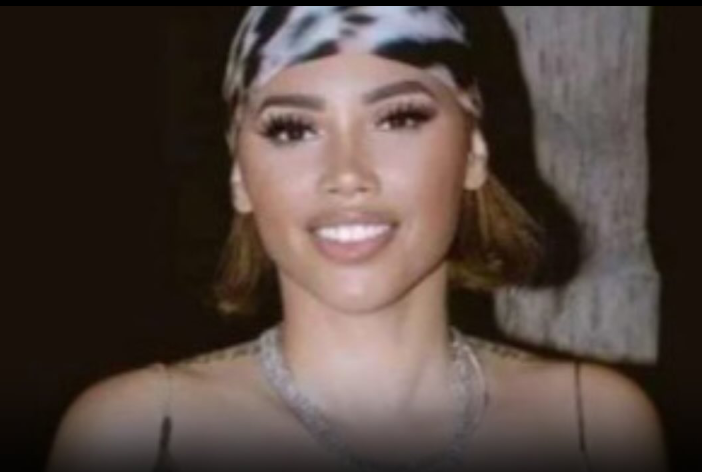
Wizkid’s partner, Jada Pollock, has ignited a fresh wave of conversation across social media after sharing a blunt and emotionally charged message aimed at women who knowingly remain in relationships as side partners. Her words, simple yet piercing, struck a nerve in an era where modern relationships are increasingly public, complicated, and debated in real time on digital platforms. In a post that quickly gained traction, Jada questioned the long-term emotional cost of being comfortable with a role that thrives on secrecy, insisting that no one can truly be at peace with it over time.
The statement emerged amid a flurry of online discussions about love, loyalty, and self-worth, themes that have become constant fixtures in pop culture discourse. Jada’s message did not come across as judgmental in tone, but rather reflective and concerned, as she described the situation as “disheartening” and pointed to unresolved inner trauma as the real issue behind such choices. According to her, emotions and feelings run too deep for anyone to remain unaffected by the reality of being second place, regardless of how confident or detached they may appear.
Her words were amplified further after popular singer Pink Sweat$ weighed in, bluntly describing side relationships as “the devil’s creation,” adding fuel to an already blazing conversation. The alignment of voices from people in the entertainment space gave the topic renewed visibility, pushing it beyond gossip blogs and into mainstream relationship debates. What followed was a familiar pattern in online culture: applause from some, outrage from others, and countless personal stories pouring into comment sections.
Supporters of Jada’s view praised her honesty, describing her statement as a rare moment of truth in a culture that often glamorizes secrecy and emotional detachment. Many women shared experiences of entering side relationships believing they could handle the emotional distance, only to realize later that the arrangement took a toll on their self-esteem and mental health. For these supporters, Jada’s message felt like a wake-up call rather than an attack, urging women to reflect on why they accept less than full commitment.
Critics, however, accused her of oversimplifying complex situations. Some argued that not all side relationships are the same, pointing out cases involving open relationships, mutual agreements, or circumstances shaped by economic survival rather than emotional desire. Others felt the message unfairly targeted women while letting men off the hook, reinforcing a familiar narrative where female choices are scrutinized more harshly than male behavior. The backlash highlighted the delicate line between offering advice and appearing to pass judgment, especially on a topic layered with social and cultural expectations.
Jada’s perspective also drew attention because of her own public relationship with Wizkid, one of Africa’s biggest music stars. Their partnership, often discussed and sometimes scrutinized online, has made Jada a frequent subject of public opinion. Some commenters questioned whether her position gave her the moral authority to speak on the issue, while others argued that her lived experience within a high-profile relationship made her insights even more relevant. Regardless of stance, her message clearly resonated far beyond her immediate circle.
At the heart of the debate lies a broader conversation about emotional healing and self-awareness. Jada emphasized that many women who accept side roles may be masking deeper wounds, convincing themselves that emotional detachment is strength rather than a coping mechanism. Her insistence that “no one can truly be okay with it over time” challenges the popular narrative that confidence alone can shield someone from emotional pain. It suggests that suppressed feelings eventually surface, often in ways that are more damaging than confronting them early.
Relationship experts and social commentators have long noted that modern dating culture, amplified by social media, often rewards emotional distance and casual arrangements. The idea of being “unbothered” has become a badge of honor, even when it contradicts human emotional needs. Jada’s statement cuts against this trend, reminding audiences that vulnerability and desire for exclusivity are not weaknesses, but natural aspects of emotional connection.
The viral reaction to her words also underscores how deeply personal relationship choices have become public debates. In the age of screenshots and reposts, a single comment can spark nationwide discussions about morality, feminism, and personal freedom. For some, Jada’s message represented empowerment through self-respect; for others, it felt like an unnecessary lecture in a world where women already face constant scrutiny.
What is undeniable is that the conversation has forced many to pause and reflect. Whether agreeing or disagreeing, people found themselves examining the emotional trade-offs of relationships built on secrecy. The sheer volume of responses suggests that the topic struck a chord, tapping into shared experiences of longing, compromise, and unmet expectations.
As the discourse continues, Jada has not backed away from her stance. Her words remain a stark reminder that emotional honesty often comes with discomfort, especially when it challenges normalized behaviors. In a culture that frequently celebrates surface-level confidence, her message insists on looking deeper, urging women to confront hard truths rather than cling to temporary validation.
Ultimately, the debate surrounding Jada Pollock’s statement is less about condemnation and more about choice and self-awareness. It raises uncomfortable but necessary questions: What are people truly settling for in the name of love or convenience? At what point does acceptance become self-deception? And can emotional fulfillment really exist in the shadows?

As social media continues to buzz, one thing is clear: Jada’s message has added a powerful voice to an ongoing conversation about modern relationships. Whether seen as tough love or unwelcome criticism, it has reignited discussions about emotional health, self-worth, and the courage it takes to demand more. In a world where relationships are often complicated by fame, secrecy, and social pressure, her words linger, challenging individuals to look beyond appearances and ask themselves what they truly deserve.
Popular Posts

Shock and Silence in Abakaliki as Senior Police Officer Slumps, Dies During Command Meeting
19 Dec, 2025
“It’s Time to Stop Deceiving Yourself”: Jada P’s Blunt Message to Side Chicks Sparks Heated Debate Online
19 Dec, 2025
King Combs Vows to “Slap 50 Cent” in Explosive Social Media Outburst
19 Dec, 2025Scroll to Top