news
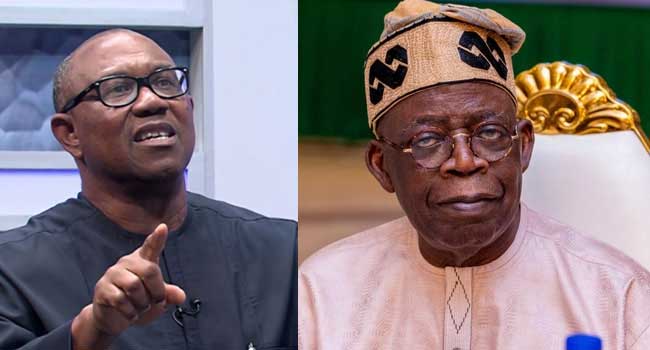
Peter Obi Slams New Tax Laws, Alleges Forged Provisions as Nigeria Enters “Historic Credibility Crisis”
Former Anambra State Governor and Labour Party presidential candidate, Peter Obi, has strongly condemned Nigeria’s newly implemented tax laws, describing them as deeply flawed, economically misguided, and emblematic of what he called a “historic credibility crisis” in the country’s governance system.
In a statement released on January 1, 2026 — the same day the new tax regime officially took effect — Obi accused the Federal Government of inserting provisions into the gazetted versions of the tax laws that allegedly differ from what was passed by the National Assembly. According to him, this discrepancy raises serious constitutional and moral questions about legislative integrity and executive accountability.
Obi’s criticism echoes concerns earlier raised by opposition figures, including former Vice President Atiku Abubakar, who also warned that the credibility of Nigeria’s lawmaking process is under threat if laws signed and enforced do not faithfully reflect what lawmakers debated and approved. The former governor argued that such alleged alterations undermine public trust and set a dangerous precedent for democratic governance.
Beyond legality, Obi focused heavily on the economic implications of the new tax framework. He maintained that Nigeria’s path to prosperity does not lie in increasing tax burdens on struggling citizens, but in boosting production through deliberate support for small and medium-scale enterprises (SMEs). According to him, sustainable growth comes when governments empower businesses to create jobs, raise incomes, and naturally expand the tax base.
Citing World Bank data, Obi noted that Nigeria’s SME sector contributes roughly 50 percent of the nation’s Gross Domestic Product and employs a majority of the workforce, yet receives less than 5 percent of formal credit. He argued that this imbalance reflects a policy failure, warning that taxing an already overburdened population without first stimulating productivity would only deepen poverty and economic frustration.
“History and global economic models show clearly that nations grow by producing, not by taxing poverty,” Obi said, stressing that policies should prioritize access to credit, infrastructure, and a stable business environment rather than aggressive revenue extraction.
The timing of Obi’s intervention significantly amplified its impact. Coming on the very day the tax laws took effect, his statement resonated with widespread public anger already brewing across the country. On social media, many Nigerians echoed his concerns, questioning the fairness of introducing new taxes amid persistent power outages, high inflation, unemployment, and stagnant wages.
Replies to Obi’s post quickly turned political, with supporters calling on him to contest the 2027 presidential election, viewing his economic arguments as a stark contrast to President Bola Tinubu’s fiscal reform agenda. Others referenced recent protests and statements by groups such as the National Association of Nigerian Students (NANS), which have also criticized the tax reforms as insensitive to the realities faced by ordinary Nigerians.
The controversy adds to growing skepticism surrounding the Tinubu administration’s economic policies, particularly reforms framed as necessary for long-term stability but perceived by many citizens as immediate hardships without visible benefits. Analysts warn that unless the government addresses both the legal concerns surrounding the tax laws and the broader economic anxieties they have triggered, public trust in fiscal governance could erode further.
As Nigeria begins 2026 under a new tax regime, Obi’s remarks have ensured that the debate is far from settled. What was intended as a fiscal reset has instead opened a broader national conversation about transparency, economic justice, and the kind of development model Nigeria should pursue in the years ahead.
Prosperity cannot come by taxing Poverty
— Peter Obi (@PeterObi) January 2, 2026
As I travel the world and meet leaders who have transformed their nations, one lesson is clear: lasting economic and social progress begins with national consensus. Transformative leaders—those who successfully unite their people around a…
Twitter Post
Visit websitePopular Posts
Former Attorney-General Abubakar Malami to Remain in Custody as Court Defers Bail Ruling to January 7
02 Jan, 2026
₦1.4 Trillion on the Table: How Nigeria’s Food Import Bill Exposes a Deeper Economic Dependence
02 Jan, 2026
“The Dog Is Barking”: Wike Fires Back at Fubara in a Fresh Political Storm
02 Jan, 2026Scroll to Top