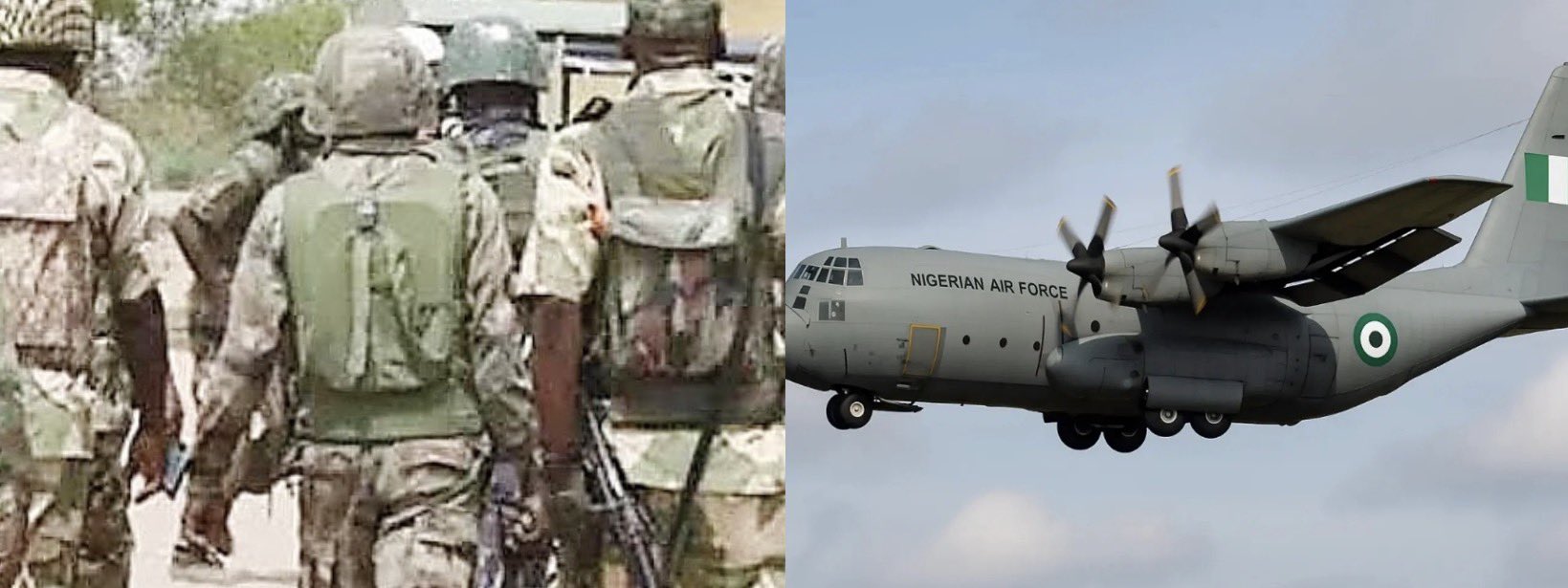
Six days after a Nigerian Air Force C-130 transport aircraft made a precautionary landing on Burkinabé soil, the fate of the 11 Nigerian military personnel on board remains uncertain, as diplomatic channels work around the clock to defuse a situation that has quietly grown into a delicate regional test of trust, protocol, and security cooperation. What began as a routine military flight has evolved into an uncomfortable standoff, with the aircraft and its crew still under detention by Burkina Faso’s military government over alleged violations of the country’s airspace.
According to Nigerian defence sources, the aircraft was forced to land unexpectedly due to technical and safety considerations, a move described as standard aviation procedure intended to protect both crew and equipment. However, Burkinabé authorities reportedly interpreted the landing as an unauthorised military incursion, triggering the immediate seizure of the aircraft and the detention of all personnel on board. Since then, both countries have maintained official silence on key operational details, while behind-the-scenes negotiations intensify.
The prolonged detention has raised concerns in Abuja, particularly within military and diplomatic circles, where the situation is being treated as sensitive and potentially precedent-setting. Nigeria and Burkina Faso are not enemies; they are neighbouring West African states with a shared history of cooperation on regional security, especially in the fight against terrorism, banditry, and transnational crime. Yet the episode underscores how fragile relations in the Sahel region have become amid shifting alliances, military takeovers, and heightened suspicion of foreign military movements.
For the families of the detained soldiers, the past six days have been marked by anxiety and uncertainty. While Nigerian authorities have reportedly been allowed limited confirmation that the personnel are safe, there has been no clear timeline for their release. Defence officials in Abuja are said to be engaging counterparts in Ouagadougou through both bilateral and regional mechanisms, including outreach via ECOWAS-linked diplomatic channels, despite Burkina Faso’s strained relationship with the regional bloc.
The Burkinabé military government, which came to power following a coup, has taken a hardline approach to national sovereignty and airspace control, citing security threats and past incidents of foreign interference. In recent months, the country has tightened oversight of military flights, particularly those involving foreign forces, as it recalibrates its defence posture and international partnerships. Analysts say this context partly explains the firm response to the Nigerian aircraft’s landing, even if the situation may ultimately be resolved diplomatically.
Security experts note that military aircraft operating in the Sahel often contend with unpredictable conditions, including poor weather, limited navigational infrastructure, and mechanical challenges exacerbated by harsh environments. Precautionary landings, they argue, are not uncommon and are generally governed by international aviation norms that prioritise safety. The detention of an aircraft and its crew for nearly a week, however, is viewed by many observers as highly unusual, particularly between countries that have not formally declared hostility toward one another.
Within Nigeria, the incident has sparked quiet debate about regional military coordination and communication gaps. Some analysts believe the situation highlights the urgent need for clearer protocols on emergency landings and overflight permissions among West African militaries, especially at a time when cross-border operations against armed groups are frequent. Others warn that misinterpretations like this could discourage cooperation and complicate joint security efforts in an already volatile region.
The Nigerian Air Force has so far refrained from issuing a detailed public statement, opting instead for measured diplomacy. Officials familiar with the matter say Abuja is keen to avoid escalating tensions or politicising the situation, preferring a calm resolution that preserves long-term relations. There is also awareness that public pressure could harden positions on both sides, making a negotiated outcome more difficult.
Burkina Faso’s authorities, for their part, have defended their actions as lawful and necessary, citing national security concerns and the need to strictly enforce airspace regulations. State-aligned media in the country have portrayed the incident as an example of vigilance rather than aggression, framing the detention as a routine security response pending clarification of the aircraft’s mission and authorisation.
As the days pass, regional observers are watching closely to see how the matter is resolved, particularly given the broader geopolitical shifts underway in the Sahel. Burkina Faso, along with Mali and Niger, has distanced itself from traditional Western partners and adopted a more assertive stance toward foreign military presence. In this environment, even longstanding African partners like Nigeria are navigating a more complex diplomatic terrain.
There are growing calls from civil society voices and security commentators for transparency and restraint, urging both governments to prioritise dialogue and mutual understanding. Many argue that a swift, face-saving resolution would send a positive signal at a time when West Africa can ill afford new fractures among its states. The continued detention of the soldiers, they warn, risks unnecessary escalation if not handled with care.
For now, the Nigerian soldiers remain in custody, their aircraft grounded, as negotiators seek common ground. Whether the episode ends quietly with an apology and release, or becomes a cautionary tale of miscommunication in a tense region, will depend on the decisions made in the coming days. What is clear is that the incident has exposed the thin line between security enforcement and diplomatic strain in a Sahel increasingly defined by uncertainty.
As diplomatic efforts continue behind closed doors, many in Nigeria and across West Africa are hoping for a resolution that reaffirms cooperation rather than suspicion. The fate of 11 soldiers and a single aircraft has, unexpectedly, become a mirror reflecting the broader challenges facing regional unity, trust, and security in an era where every movement across borders carries heightened significance.
Popular Posts

Heart‑Wrenching Breakdown: “I Tried — Why Me? What Did I Do?” — Peller’s Emotional Outcry After Car Crash Shocks Nigeria
14 Dec, 2025
Gold, Grief and Public Debate: Prophet Jeremiah Fufeyin’s Lavish Farewell to His 104-Year-Old Mother Sparks Nationwide Reactions
14 Dec, 2025
“I’m Not Proud of My Past”: Pastor Adeboye’s Confession Stirs Emotions at Holy Ghost Congress 2025
14 Dec, 2025Scroll to Top