news
Speed, Overtaking and a Tragic Turn: FRSC Explains Circumstances Behind Anthony Joshua Lagos–Ibadan Expressway Crash
The Federal Road Safety Corps has attributed the fatal road crash involving world-renowned heavyweight boxing champion Anthony Joshua to excessive speed and wrongful overtaking, adding a sobering layer of official clarity to an incident that has dominated public conversation across Nigeria and beyond. The crash, which occurred on Sunday, December 29, 2025, along the ever-busy Lagos–Ibadan Expressway, left two people dead, one person injured and renewed concerns about dangerous driving habits on one of the country’s most notorious highways.
In a statement released on Monday, the FRSC confirmed that the accident took place around the Sinoma area near Sagamu in Ogun State at approximately 12 noon. According to preliminary findings from the Ogun State Sector Command, the incident involved a black Lexus Jeep conveying Anthony Joshua and a stationary commercial truck parked by the roadside. The Corps said the Lexus was suspected to have been travelling above the prescribed speed limit when the driver attempted a wrongful overtaking manoeuvre, lost control and collided with the truck.
The FRSC disclosed that the crash was reported immediately and that its operatives arrived at the scene within three minutes, a response time the agency described as critical in preventing further loss of life. Officers on ground reportedly carried out rescue operations, evacuated victims, managed traffic flow and secured the scene to prevent secondary crashes, which are common on high-speed corridors like the Lagos–Ibadan Expressway.
Details released by the Corps showed that five adult males were involved in the crash. Two persons were confirmed dead at the scene, one sustained injuries and two others escaped unharmed. Anthony Joshua, who was in the Lexus Jeep at the time of the accident, was rescued alive and was said to have suffered only minor injuries. The injured victim was rushed to a nearby hospital for medical treatment, while the bodies of the deceased were deposited at the Livewell Morgue in Ajaka, Sagamu. The Nigeria Police Motor Traffic Division was also notified to commence further investigation and documentation in line with standard procedure.
While the presence of a global sports icon like Joshua amplified the public reaction, the FRSC stressed that the underlying causes of the crash were neither unusual nor rare on Nigerian roads. Excessive speed and wrongful overtaking, the Corps said, remain among the leading causes of fatal road crashes nationwide, particularly on expressways where drivers often disregard speed limits and road safety rules in a bid to beat traffic or arrive early.
The Lagos–Ibadan Expressway, despite undergoing several phases of rehabilitation over the years, has continued to record high numbers of crashes, many of them fatal. Safety experts have repeatedly warned that improved road infrastructure alone cannot curb accidents if driver behaviour does not change. According to FRSC data from previous years, a significant percentage of serious crashes on the route are linked to speeding, fatigue, reckless overtaking and poor adherence to traffic regulations.
In its statement, the FRSC noted that the stationary truck involved in the crash was properly parked by the roadside, countering early speculations on social media that suggested illegal parking or poor visibility as contributing factors. The Corps said this detail was established during its preliminary assessment of the scene and vehicle positions. Investigations are ongoing to determine additional factors, including vehicle condition, driver alertness and compliance with safety measures such as seatbelt use.
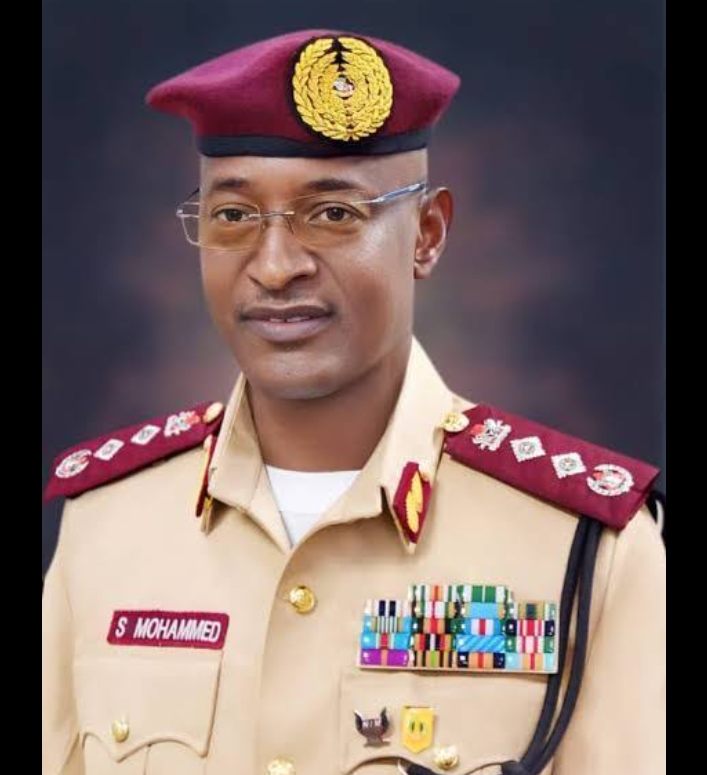
The Corps Marshal, Shehu Mohammed, speaking on behalf of the management and staff of the FRSC, expressed deep condolences to the families of the deceased, describing the incident as painful and avoidable. He also wished Anthony Joshua and the injured victim a speedy recovery, while using the opportunity to reiterate the Corps’ long-standing call for motorists to obey traffic laws at all times, regardless of status or destination.
Since news of the crash broke, reactions have poured in from across the country, with many Nigerians expressing relief that Joshua survived the incident, while also mourning the lives lost. The accident has sparked intense debate on social media about road safety culture, celebrity movement, and the persistent dangers of Nigerian highways. Some commentators have argued that the incident underscores a hard truth: on Nigerian roads, wealth, fame and influence do not guarantee safety when basic traffic rules are ignored.
For the FRSC, the crash is another grim reminder of the human cost of reckless driving. Officials have repeatedly warned that excessive speed reduces a driver’s ability to react to sudden obstacles, increases stopping distance and magnifies the severity of impact during collisions. Wrongful overtaking, especially on high-speed roads with heavy vehicular traffic, often leaves little margin for error and can turn deadly within seconds.
The agency has pledged to continue public enlightenment campaigns, increased patrols and enforcement operations, particularly during festive periods when traffic volume surges and drivers are more likely to take risks. It has also urged transport companies, private motorists and high-profile individuals to prioritize safety by employing trained drivers, adhering to speed limits and avoiding dangerous manoeuvres on the road.
As investigations continue, the FRSC says a comprehensive report will be released at the conclusion of inquiries, but the preliminary findings already point to familiar and preventable causes. Beyond the headlines and the involvement of a global boxing star, the tragedy has once again placed a spotlight on Nigeria’s road safety challenges and the urgent need for a collective shift in driving behaviour.
The Lagos–Ibadan Expressway remains a vital economic artery linking the commercial capital to the rest of the country, but incidents like this serve as stark reminders that speed and impatience can turn a routine journey into a fatal event. For families mourning loved ones lost in the crash, the official explanations offer little comfort, but for millions of road users, the message from the FRSC is clear: excessive speed and wrongful overtaking are not just traffic offences, they are life-threatening decisions with irreversible consequences.
Popular Posts

Tragedy in Ogun: Anthony Joshua Crash Victims Identified as Close Friend and Trainer
30 Dec, 2025
A Nation in Mourning: President Tinubu Reaches Out to Anthony Joshua After Tragic Lagos–Ibadan Expressway Accident
30 Dec, 2025
Fake Protection, Real Danger: NAFDAC Raises Alarm as Counterfeit K+ss Condoms Flood Nigerian Markets
30 Dec, 2025Scroll to Top