news
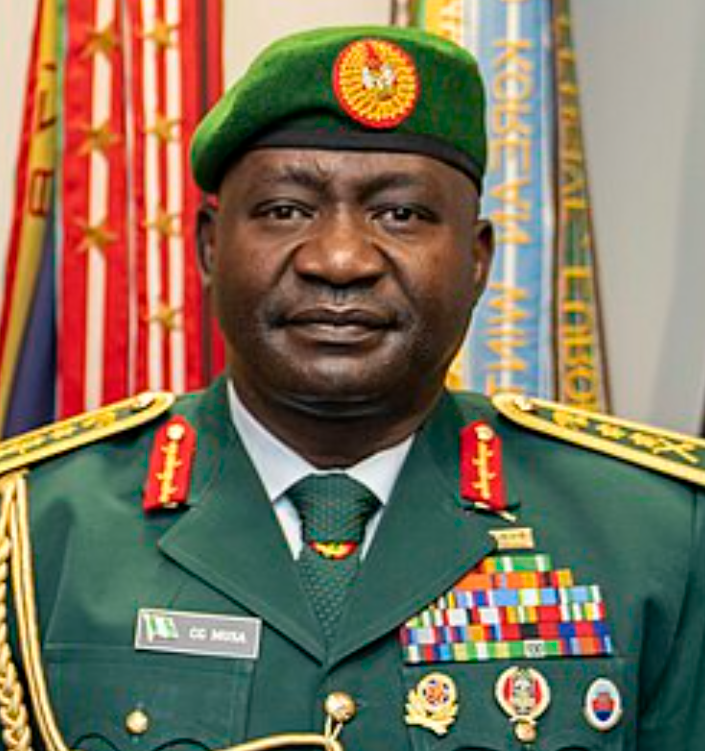
“They Thought They Had Won”: How Forces Conspired Against Me but God Intervened — Defence Minister Musa Opens Up
Nigeria’s Minister of Defence, Christopher Musa, has spoken candidly about a deeply personal chapter of his journey to national leadership, revealing how unseen battles, quiet conspiracies, and moments of intense pressure nearly derailed his path before what he described as divine intervention changed the course of events. Speaking during a recent worship service at Conquerors Global Assembly in Abuja, Musa told congregants that faith, perseverance, and trust in God were central to his rise, even when powerful forces worked against him behind the scenes.
In a testimony that blended spirituality with the realities of public service in Nigeria, the Defence Minister recounted how opposition and calculated efforts to undermine him emerged at critical moments in his career. Without naming individuals or institutions, Musa said he became aware that certain forces believed his story had ended and that he had been successfully sidelined. According to him, what looked like defeat was, in reality, the turning point that led to elevation.
“We give God the glory for what has happened this year,” Musa told the congregation, his voice steady but reflective. “Even when the enemy thought they were putting us down, they did not know God was going to lift us up.” His words drew loud responses from worshippers, many of whom saw in his story a reflection of their own struggles in a country where perseverance is often tested by uncertainty.
Musa went further, describing the mindset of those who opposed him as shortsighted. “In their small minds they conspired and thought they had won,” he said. “But as long as you have God as your pillar, you will win.” The statement resonated strongly, not just as a religious declaration, but as a subtle commentary on Nigeria’s complex political and security landscape, where careers can rise and fall abruptly due to shifting alliances and hidden power plays.
The Defence Minister’s remarks have since sparked conversations across political and social circles, with many Nigerians interpreting his testimony as a rare glimpse into the personal cost of leadership at the highest level. While public officials often speak in measured tones, Musa’s message stood out for its emotional honesty and overt reliance on faith as a source of strength.
Beyond recounting his personal experience, Musa used the platform to deliver a broader message to Christians and Nigerians at large, urging them not to lose hope in the face of adversity. He stressed that challenges, no matter how painful or unfair they appear, are essential tools for growth. According to him, both individuals and nations are shaped in moments of difficulty, not comfort.
“If you are never challenged, you can never improve in life,” Musa said. He linked this belief to Nigeria’s ongoing struggles with insecurity, economic hardship, and social division, arguing that the nation’s ability to endure and adapt has always been its defining strength. “As Nigerians, we know we are strong, but we are stronger together with God Almighty,” he added, reinforcing the theme of unity that ran through his address.
Musa also emphasized the importance of collective responsibility, calling on citizens to support the country through prayers and positive engagement rather than cynicism and despair. “Nigerians are winners,” he declared. “We must continue to pray for our leaders and our country.” In a time when public trust in leadership is often fragile, his appeal was both a reassurance and a call for patience.
The timing of Musa’s testimony is significant. On December 2, President Bola Ahmed Tinubu nominated him as Minister of Defence and forwarded his name to the Senate for confirmation. The appointment marked a major transition, as Musa stepped into the role following the resignation of Mohammed Badaru, who left the position due to health reasons. For many observers, the nomination was seen as a vote of confidence in Musa’s experience, particularly given his background as a former Chief of Defence Staff.
As CDS, Musa played a central role in coordinating Nigeria’s military response to various security challenges, including insurgency, banditry, and other forms of violent crime. His elevation to Defence Minister places him at the heart of national security policymaking at a time when expectations are high and patience is thin. Against this backdrop, his testimony about conspiracies and divine intervention has taken on added meaning, suggesting that his current position was not merely the result of professional progression, but of survival through intense opposition.
Supporters argue that Musa’s faith-driven narrative offers reassurance that resilience and integrity can still find space in Nigeria’s leadership structure. Critics, however, caution that spiritual confidence must be matched with concrete action, especially in addressing the complex security issues facing the country. Still, even skeptics acknowledge that Musa’s remarks reflect a mindset shaped by pressure, resistance, and a belief that his mandate carries a higher purpose.
Within religious circles, his message has been widely shared as encouragement for believers navigating hostile environments, whether in politics, business, or everyday life. The idea that unseen struggles can precede public victory struck a chord with many Nigerians who feel trapped by circumstances beyond their control.
For Musa himself, the testimony was less about celebration and more about perspective. By framing his rise as an outcome of faith rather than personal triumph, he appeared to signal humility and a recognition of responsibility. His words suggested that leadership, in his view, is not just a position to be defended, but a calling to be fulfilled with discipline and accountability.
As Nigeria watches closely to see how the new Defence Minister will confront the nation’s security challenges, his story of conspiracy and intervention adds a human dimension to his public image. It paints a picture of a man who believes he was tested before being trusted with greater authority, and who sees adversity not as a setback, but as preparation.
In a country where leadership stories are often dominated by controversy and power struggles, Musa’s account offers a different narrative, one rooted in faith, endurance, and the belief that setbacks can be stepping stones. Whether history will judge his tenure kindly remains to be seen, but for now, his testimony has reminded many Nigerians that behind the titles and offices are individuals shaped by unseen battles, hoping that the same intervention they believe lifted them up will guide them as they lead.
Popular Posts

Tragedy in Ogun: Anthony Joshua Crash Victims Identified as Close Friend and Trainer
30 Dec, 2025
A Nation in Mourning: President Tinubu Reaches Out to Anthony Joshua After Tragic Lagos–Ibadan Expressway Accident
30 Dec, 2025
Fake Protection, Real Danger: NAFDAC Raises Alarm as Counterfeit K+ss Condoms Flood Nigerian Markets
30 Dec, 2025Scroll to Top