news
Tinubu Clears the Slate: Presidency Writes Off NNPC’s $1.42bn and ₦5.57tn Debt in Major Fiscal Reset
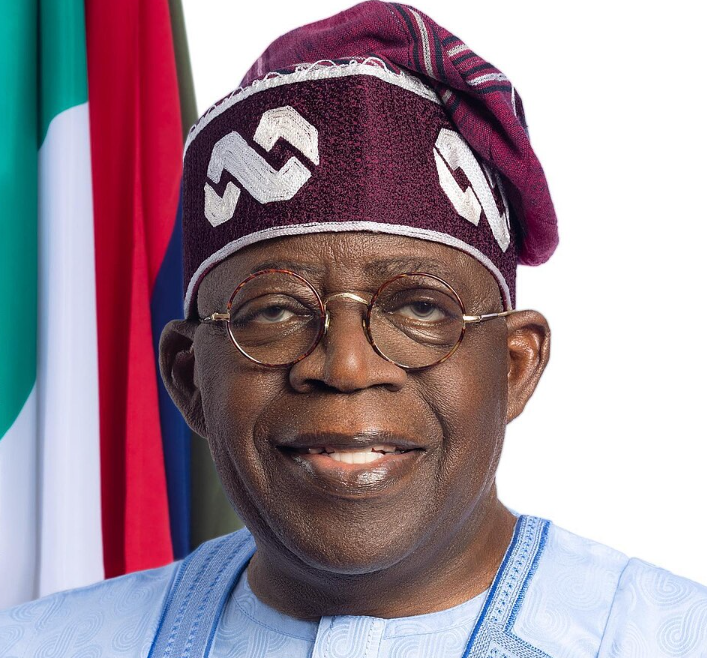
President Bola Ahmed Tinubu has approved the write-off of massive debts owed by the Nigerian National Petroleum Company Limited, NNPC Ltd, to the Federation Account, wiping out obligations totaling $1.42 billion and ₦5.57 trillion in what has been described as one of the most consequential fiscal decisions of his administration so far. The move, which followed months of reconciliation and inter-agency reviews, is already sparking conversations across economic, political, and policy circles about transparency, accountability, and the future structure of Nigeria’s public finance system.
The approval was formally documented by the Nigerian Upstream Petroleum Regulatory Commission and presented during the November 2025 meeting of the Federation Account Allocation Committee, FAAC. According to a report titled “Report of October 2025 Revenue Collection Presented at the Federation Account Allocation Committee Meeting Held on 18th November 2025,” the decision came after a detailed reconciliation exercise involving key government institutions to address long-standing discrepancies in oil revenue remittances and subsidy-related obligations.
The document, obtained by The PUNCH, provides rare insight into the complex and often opaque financial relationship between NNPC Ltd and the Federation Account, which is constitutionally mandated to receive revenues from oil and gas sales for distribution among the federal, state, and local governments. For years, disputes over under-remittances, fuel subsidy deductions, and exchange rate differentials have strained this relationship, leading to mounting debts and persistent mistrust among stakeholders.
At the heart of the write-off is the recognition that a significant portion of the debts arose from policy decisions taken by the government itself, particularly around fuel subsidy regimes and foreign exchange management. NNPC Ltd, acting as the government’s agent in importing and selling petroleum products, often bore the upfront costs of subsidies, later deducting them from revenues meant for the Federation Account. Over time, these deductions accumulated, were disputed, or remained unreconciled, creating a web of liabilities that proved difficult to unwind.
Officials familiar with the reconciliation process say the Tinubu administration opted for a pragmatic solution rather than allowing the issue to fester indefinitely. By clearing the books, the government aims to establish a cleaner fiscal baseline, improve confidence in revenue reporting, and enable more accurate budgeting and revenue forecasting going forward. Supporters of the decision argue that it reflects economic realism, acknowledging that many of the debts were, in practice, intra-governmental obligations that could not realistically be recovered without harming the operational stability of NNPC Ltd.
The timing of the write-off is also significant. Since taking office, President Tinubu has pursued a series of bold and sometimes controversial economic reforms, including the removal of fuel subsidies and the unification of foreign exchange rates. These measures, while painful in the short term, are intended to address structural imbalances that have long plagued the Nigerian economy. Clearing NNPC’s legacy debts fits into this broader reform narrative, signaling an attempt to draw a line under past practices and move toward a more transparent, commercially oriented oil sector.
However, the decision has not been without criticism. Some state governments and fiscal transparency advocates have raised concerns about the implications for the Federation Account and subnational finances. The debts being written off represent revenues that, in theory, should have been shared among the three tiers of government. For states already struggling with rising costs and limited revenue sources, the cancellation of such large sums raises questions about opportunity costs and whether alternative arrangements could have been negotiated.
Critics also worry about the precedent the move sets. Writing off trillions of naira in debt, they argue, could encourage fiscal indiscipline if state-owned enterprises come to expect that liabilities will eventually be forgiven. Without clear safeguards, accountability mechanisms, and improved reporting standards, skeptics fear that the same issues could resurface in the future under different guises.
In response to these concerns, officials point to the restructured status of NNPC Ltd following the passage of the Petroleum Industry Act, PIA. Unlike its predecessor, the old NNPC, the current entity operates as a limited liability company with commercial objectives and clearer governance frameworks. Proponents of the write-off say this structural shift, combined with stricter regulatory oversight by bodies like NUPRC, reduces the risk of unchecked debt accumulation going forward.
The FAAC presentation itself underscores the importance of transparency in the process. By formally documenting the reconciliation and placing it before representatives of federal and state governments, the administration appears keen to demonstrate that the decision was not taken lightly or unilaterally. The report details how the figures were arrived at, offering a paper trail that could be scrutinized by auditors, lawmakers, and the public.
Economists are divided on the long-term impact of the move. Some believe it will help stabilize government finances by eliminating uncertainty and improving cash flow predictability for both NNPC Ltd and the Federation Account. Others caution that the immediate fiscal relief could mask deeper structural challenges, such as Nigeria’s heavy reliance on oil revenues and vulnerability to global price shocks.
For NNPC Ltd, the write-off is a significant relief. Freed from the burden of historical debts, the company may have greater flexibility to invest in upstream operations, infrastructure, and energy transition initiatives. This could, in theory, boost production capacity, improve efficiency, and ultimately increase revenues available for distribution in the future.
Politically, the decision reinforces President Tinubu’s image as a leader willing to take decisive action on complex economic issues, even at the risk of controversy. Whether the move will be remembered as a necessary cleanup of inherited problems or as a missed opportunity to enforce stricter accountability remains to be seen.
As Nigeria continues to navigate economic reforms amid public scrutiny and social pressures, the write-off of NNPC’s $1.42 billion and ₦5.57 trillion debt stands as a defining moment in the administration’s approach to fiscal management. It is a reminder of the scale of challenges embedded in the country’s oil-dependent economy and the difficult trade-offs involved in charting a path toward sustainability, transparency, and long-term growth.
Popular Posts

Beyoncé Becomes a Billionaire, Joins Jay-Z as One of Music’s Richest Power Couples
29 Dec, 2025
Anthony Joshua Involved in Fatal Road Accident on Lagos–Ibadan Expressway, Two Dead
29 Dec, 2025
“Your Apology Is Damage Control” — Doris Ogala Rejects Pastor Chris Okafor’s Public Plea as Church Scandal Deepens
29 Dec, 2025Scroll to Top