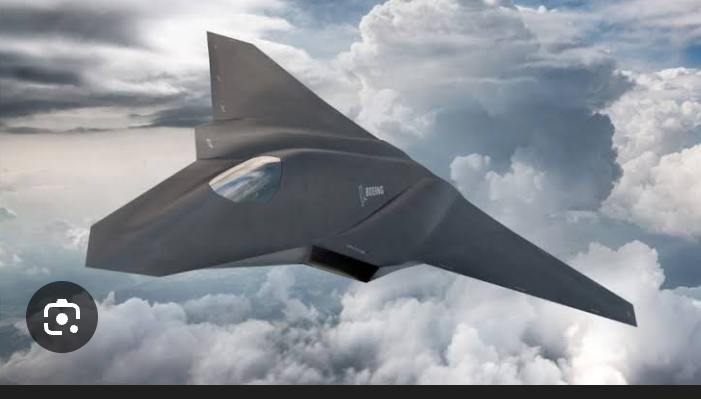
The United States has resumed intelligence, surveillance, and reconnaissance (ISR) flights over Nigeria’s north-east, just days after conducting airstrikes on ISIS-linked militants in Sokoto State. The move signals an intensification of American military monitoring in a region long troubled by jihadist insurgency and rising security concerns.
On Saturday, Brant Philip, a terrorism tracker focusing on the Sahel region, revealed via flight-tracking data that a US aircraft was actively operating over Borno State, one of Nigeria’s most volatile areas. According to the data, the aircraft involved was a Gulfstream V, a long-range jet often adapted for intelligence and reconnaissance missions. Philip noted that the US had resumed ISR operations “today on ISWAP in the Sambisa forest, Borno State in northeast Nigeria, after a pause of one day following the strikes in Sokoto State.”
The operations specifically target the Islamic State West Africa Province (ISWAP), a local ISIS affiliate responsible for repeated attacks across Nigeria’s north-east and the broader Lake Chad basin. ISWAP has been involved in numerous kidnappings, attacks on villages, and assaults on security forces, posing a persistent threat not only to Nigeria but to regional stability. The renewed flights are intended to enhance situational awareness, track militant movements, and potentially locate hostages, including an American pilot reportedly kidnapped in neighboring Niger Republic.
Flight-tracking records indicate that the US began these missions over Nigeria on November 24, with aircraft departing from Ghana, a strategic logistics hub for American military operations in West Africa. The Gulfstream V involved is linked to Tenax Aerospace, a US special mission aircraft provider, and has reportedly flown almost daily over Nigeria since the missions began. Analysts suggest that the consistent presence of these aircraft is a sign of a sustained intelligence effort aimed at both short-term counterterrorism objectives and longer-term monitoring of jihadist networks in the region.
The resurgence of US ISR flights follows a tense period of diplomatic engagement between Nigeria and the United States. In recent weeks, Nigeria’s National Security Adviser, Mallam Nuhu Ribadu, met with US Defence Secretary Pete Hegseth in Washington. The talks occurred amid heightened concerns following former President Donald Trump’s warnings of potential US military intervention in Nigeria, which he framed as a response to the ongoing persecution of Christians by jihadist groups. After the meeting, Hegseth affirmed that the US would work “aggressively” with Nigeria to combat these threats, signaling deeper military cooperation between the two countries.
The US’s renewed surveillance activity also comes in the immediate wake of Thursday night’s airstrikes in North-West Nigeria, reportedly aimed at ISIS-affiliated militants. President Trump described these strikes as the “first fulfillment” of his pledge to counter the regional jihadist threat, warning that additional operations would follow. While the airstrikes were carried out in Sokoto State, the ISR flights over the north-east underscore a broader strategy of maintaining persistent oversight of militant strongholds, particularly the Sambisa Forest, which has long been a notorious haven for jihadist operations.
Experts suggest that these ISR missions are critical for understanding the operational patterns of ISWAP and other affiliated groups. By maintaining continuous aerial surveillance, US and Nigerian forces can monitor troop movements, identify key leadership targets, and anticipate attacks before they occur. The data collected from these flights may also inform future strikes and help coordinate intelligence-sharing between Nigerian and American military agencies.
The strategic importance of Nigeria to US counterterrorism efforts in West Africa cannot be understated. The country, which has faced years of insurgency from both Boko Haram and ISWAP, occupies a pivotal position in the Sahel and Lake Chad regions. Militants operating in Nigeria often cross borders into Cameroon, Chad, and Niger, creating a transnational security challenge. The US military presence, even through ISR missions rather than direct combat, reflects Washington’s broader approach to counterterrorism in West Africa: providing intelligence, logistics, and support to local forces to suppress extremist activity while avoiding direct prolonged engagements.
Local reactions to the renewed US surveillance flights have been mixed. Some Nigerians view the presence of American aircraft as a reassurance that the global community is actively involved in addressing persistent security threats. Others, however, question the long-term impact of foreign military monitoring, pointing to the need for stronger domestic security reforms and capacity-building within Nigerian forces. Nonetheless, the flights are a clear demonstration of ongoing international concern about the stability of Nigeria’s north-east and the threat posed by ISWAP.
Observers note that the intelligence gathered from these ISR operations is not only valuable for immediate tactical purposes but also for shaping broader strategic responses. The US has long invested in high-tech aerial surveillance, providing actionable intelligence that can lead to precise targeting of insurgent groups while minimizing civilian casualties. The Gulfstream V, with its advanced sensors and long endurance, allows for extended observation over remote and difficult-to-access areas, such as the dense forests and rugged terrain of Borno State.
The renewed flights also highlight the complex interplay between regional diplomacy and military operations. Following the airstrikes in Sokoto and ongoing threats from ISWAP, Nigeria’s government has emphasized the importance of foreign partnerships, particularly with the US, to enhance its capacity to respond to insurgency. The collaboration extends beyond aerial surveillance to include intelligence-sharing, training, and logistical support, illustrating a multi-faceted approach to counterterrorism that combines local knowledge with international technology and expertise.
While the immediate goal of the US ISR flights is to monitor ISWAP activity and track potential hostages, the broader implication is a sustained commitment to regional stability. The presence of these aircraft sends a signal to militant groups that their movements and operations are under constant observation, potentially deterring large-scale attacks and providing early warning of emerging threats. Analysts emphasize that the combination of surveillance, targeted airstrikes, and diplomatic engagement forms a comprehensive strategy designed to weaken extremist groups over time rather than merely responding to individual incidents.
As the situation in Nigeria continues to evolve, the resumption of US surveillance flights underscores the high stakes involved in combating ISWAP and other jihadist factions. The coordination between Nigerian authorities and American forces represents an attempt to leverage international resources while addressing the immediate security concerns of local populations. With tensions still simmering in Sokoto, Borno, and surrounding states, the coming weeks are expected to reveal whether these efforts will translate into tangible improvements in regional security.
The US commitment to continued ISR operations over Nigeria’s north-east is a clear indication that Washington considers the fight against ISWAP and associated jihadist elements a priority. By maintaining a watchful eye over militant strongholds, the US not only supports Nigeria’s counterterrorism objectives but also safeguards broader West African stability, ensuring that extremist threats do not spill across borders unchecked.
As the Gulfstream V continues its daily sorties over Nigeria, the world watches closely, recognizing that the outcomes of these missions could have significant implications not only for the safety of Nigerians in conflict-prone areas but also for the broader effort to combat global jihadist networks in Africa.
Popular Posts
Islamist Militants in Northern Nigeria Relocate After US Air Campaign
28 Dec, 2025
“I’m Sorry, Please Forgive Me” — Pastor Chris Okafor begs Before Church and Pleads With Members After Controversy Shocks Nation
28 Dec, 2025
Tiwa Savage Breaks Down in Tears on Stage: A Night of Emotion That Rocked the Crowd
28 Dec, 2025Scroll to Top