Entertainment
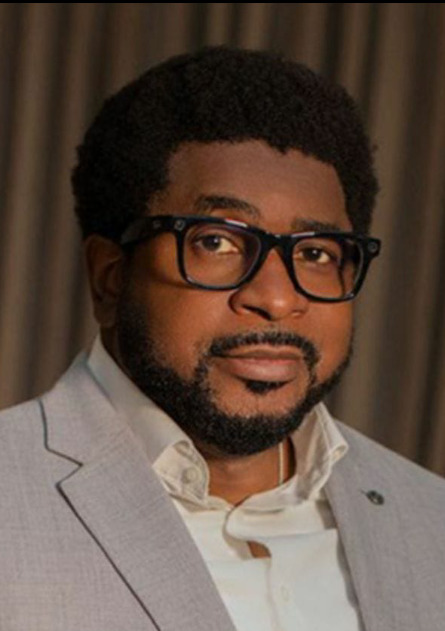
“We Have a Crisis”: Pastor Kingsley Okonkwo Sparks National Debate Over the Shortage of ‘Quality Men’ for Marriage
A fresh conversation about marriage, gender roles, and modern relationships has erupted across social media following a thought-provoking statement by popular Nigerian clergyman and relationship counselor, Pastor Kingsley Okonkwo. In a candid post that quickly gained traction online, Okonkwo raised an alarm he described as urgent and deeply troubling: a growing shortage of what he called “quality men,” warning that many women may never find eligible partners for marriage if the trend continues.
“Ladies and gentlemen, we have a crisis,” Okonkwo declared, setting the tone for a message that resonated with thousands and unsettled many others. According to him, the gap between men and women in terms of preparedness for marriage is widening at an alarming rate, making it increasingly difficult for women to find men capable of leading stable, fulfilling marriages in today’s society.
The clergyman, who has built a strong following through his teachings on relationships and family life, explained that his concern is not rooted in malice or gender bias, but in what he claims to be an observable reality. He argued that many men today lack the emotional maturity, leadership skills, financial responsibility, and spiritual grounding required to marry women of this generation, many of whom are more educated, independent, and self-aware than ever before.
Okonkwo went further to frame the issue within the context of marriage models, referencing what he describes as three kinds of marriage: cultural, contemporary, and covenant or kingdom marriage. According to him, traditional African societies largely operated within the cultural model of marriage, which thrived in a time when women had limited access to education, economic independence, and career opportunities. Men were typically older, financially dominant, and socially empowered, creating a dynamic where submission came more easily, at least structurally.
However, he noted that the conditions that sustained that model no longer exist. Women are now educated, financially independent, socially aware, and less willing to accept marriages built solely on tradition or economic necessity. Age gaps have narrowed, expectations have shifted, and emotional intelligence has become just as important as financial provision. In Okonkwo’s view, many men have failed to evolve alongside these changes, leaving a mismatch that increasingly plays out in dating, courtship, and marriage.
“The scenario is tougher for the men of this age,” he observed, suggesting that society has changed rapidly while many men remain stuck in outdated mindsets. This, he warned, could result in a generation of women who desire marriage but struggle to find partners they consider suitable or compatible.
The statement immediately ignited widespread debate online, drawing reactions from men and women across different age groups. Many women echoed Okonkwo’s concerns, sharing personal experiences of dating men they felt were emotionally unavailable, financially unstable, or resistant to growth. Some argued that the problem is not a lack of men, but a lack of men willing to do the work required to become dependable partners.
Others, however, pushed back strongly against the narrative, accusing the cleric of unfairly generalizing men and placing undue blame on one gender. Critics argued that societal pressures, unemployment, economic instability, and unrealistic expectations also play major roles in the marriage crisis. Some men pointed out that many are struggling to meet rising standards in an economy that offers limited opportunities, questioning whether the definition of “quality” has become too narrow or materialistic.
Still, even among critics, there was acknowledgment that the conversation itself is necessary. Relationship experts and social commentators weighed in, noting that marriage dynamics are evolving globally, not just in Nigeria. The tension between traditional gender roles and modern realities has created confusion for many young people trying to navigate love, commitment, and long-term partnership.
What makes Okonkwo’s comments particularly impactful is his call for dialogue rather than condemnation. He openly invited comments, opinions, and suggestions on how the issue can be addressed, signaling a willingness to listen and engage rather than simply lecture. This approach has helped sustain the conversation, transforming it from a controversial statement into a broader social reflection.
Some respondents suggested intentional mentorship programs for young men, focusing on emotional intelligence, leadership, purpose, and responsibility. Others emphasized the need for societal reforms, economic empowerment, and mental health support to help men cope with modern pressures. There were also calls for women to reexamine expectations and prioritize character, growth, and shared values over surface-level markers of success.
At the heart of the debate lies a deeper question about what marriage means in today’s world. Is it still about defined roles and hierarchy, or has it become a partnership of equals navigating life together? And if the latter is true, are both men and women being adequately prepared for that reality?
Pastor Okonkwo’s assertion that many women may not find eligible men to marry has struck a nerve because it touches on real anxieties. In a society where marriage is still highly valued culturally and spiritually, the idea of a growing imbalance challenges long-held assumptions and forces uncomfortable self-examination.
Whether one agrees or disagrees with his conclusions, the conversation he has sparked reflects a society in transition, grappling with change, expectations, and identity. As gender roles continue to evolve and economic realities shift, the success of future marriages may depend less on nostalgia for the past and more on a collective willingness to grow, adapt, and redefine what it truly means to be a “quality” partner in the modern age.

For now, the alarm has been sounded, and the debate shows no sign of slowing down.
Popular Posts

“I Owe You Loyalty Forever”: IVD’s Emotional Tribute to Blessing CEO After Release From Prison Custody
16 Dec, 2025
Nigeria Back in the 2026 World Cup Race as FIFA Probes DR Congo Eligibility, Analyst Reveals
16 Dec, 2025
“The Bouquet Is the Message”: Odumodublvck’s Dollar Demand Sparks a New Debate on Love, Clout, and the Cost of Romance in Nigeria
16 Dec, 2025Scroll to Top