Entertainment
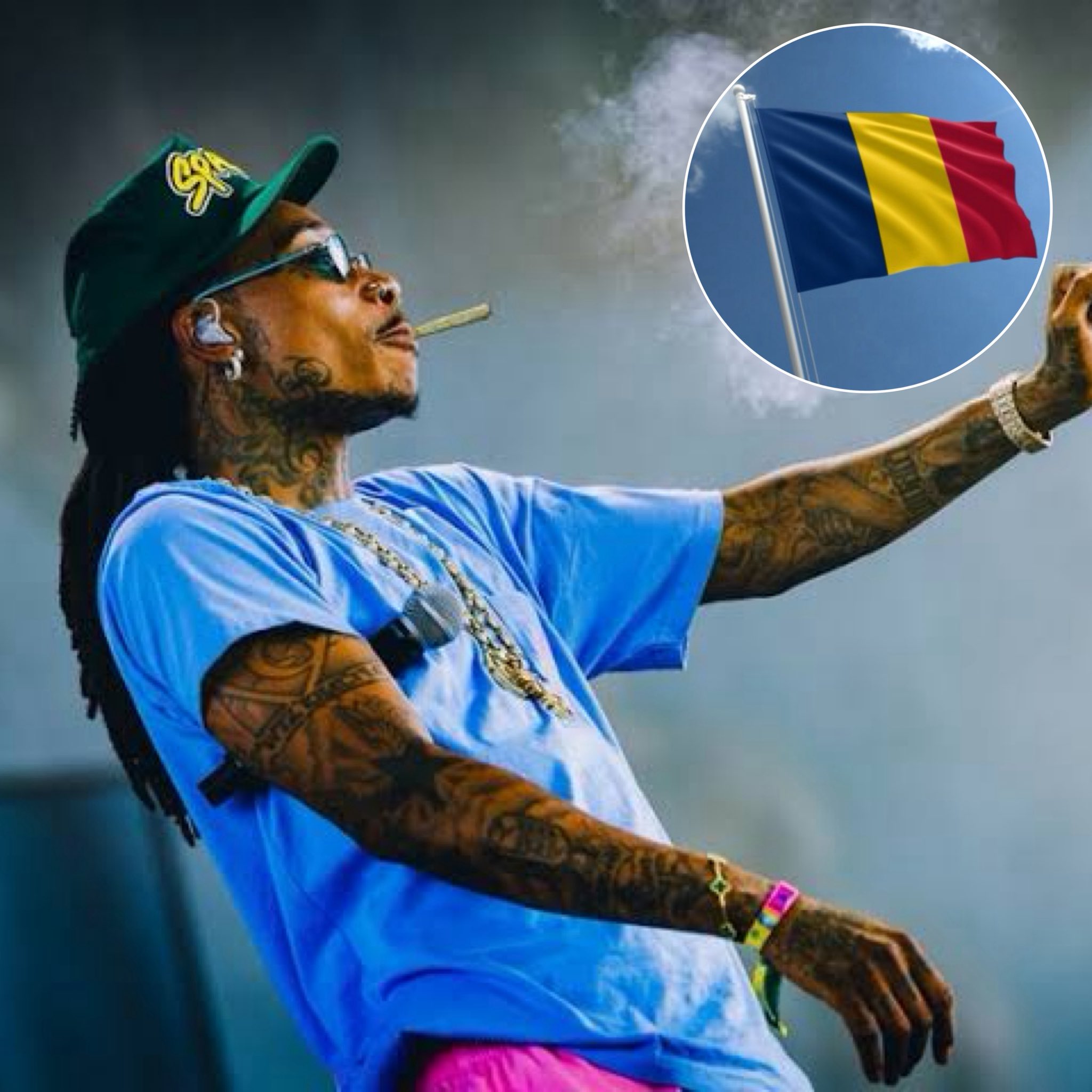
Wiz Khalifa Sentenced to Nine Months in Romanian Prison Over Onstage Marijuana Use at Bucharest Concert
American rapper Wiz Khalifa has been sentenced to nine months in a Romanian prison after a court ruled against him over a marijuana-related incident that occurred during a concert in Bucharest in July 2024. The judgment, delivered on December 18, 2025, has sent shockwaves across the global music industry and reignited debate about strict drug laws in parts of Eastern Europe.
According to court findings, Khalifa was found guilty of possessing and smoking marijuana on stage while performing before thousands of fans in the Romanian capital. While the act might have gone largely unnoticed or even celebrated in countries with more relaxed cannabis laws, Romanian authorities treated the incident as a serious criminal offence under the country’s zero-tolerance drug policy.
At the time of the concert, Khalifa was briefly detained by police, questioned, and later released, a development that many fans assumed marked the end of the matter. However, the delayed ruling now confirms that Romanian prosecutors pursued the case through the courts, ultimately securing a prison sentence that underscores the country’s rigid stance on cannabis-related offences.
Romanian law makes no distinction between private and public consumption of marijuana, and performing the act openly on stage was reportedly considered an aggravating factor by the court. Legal analysts say the ruling reflects Romania’s broader approach to drug enforcement, which remains among the toughest in Europe despite global shifts toward decriminalization and legalization.
The contrast with the United States has been particularly striking. In many U.S. states, marijuana is legal or decriminalized, and Khalifa himself has long built part of his public persona around cannabis culture. That image, however, appears to have worked against him in Romania, where authorities see such behavior as a direct violation of public order and health laws.
Khalifa’s legal team has confirmed that the rapper has filed an appeal, noting that the ruling is not yet final. Under Romanian law, the appeal process could suspend enforcement of the sentence pending a higher court’s decision. If overturned or reduced, Khalifa may avoid incarceration altogether, but if upheld, the sentence could significantly disrupt his international touring schedule and future performances in countries with strict drug regulations.
The case has also sparked wider conversations online about the risks artists face when touring globally without adapting to local laws. Fans and industry observers have pointed out that while cannabis use is increasingly normalized in Western pop culture, it remains criminalized in many parts of the world, with severe consequences.
International drug policy data from the United Nations Office on Drugs and Crime (UNODC) shows that Eastern European countries with harsher penalties tend to report lower cannabis usage rates compared to regions where legalization has expanded. Critics argue this comes at the cost of disproportionately punishing high-profile cases to set public examples, while supporters say strict enforcement acts as a deterrent.
As the appeal unfolds, Wiz Khalifa’s case now stands as a cautionary tale for global entertainers, highlighting how cultural norms around marijuana can shift dramatically across borders—and how a moment on stage can carry life-altering legal consequences.
Popular Posts

Shock and Silence in Abakaliki as Senior Police Officer Slumps, Dies During Command Meeting
19 Dec, 2025
“It’s Time to Stop Deceiving Yourself”: Jada P’s Blunt Message to Side Chicks Sparks Heated Debate Online
19 Dec, 2025
King Combs Vows to “Slap 50 Cent” in Explosive Social Media Outburst
19 Dec, 2025Scroll to Top