Entertainment
“America Lowkey Not It”: DDG’s Nigeria Safety Claim Sparks Global Debate on Perception, Reality, and the Search for a Better Life
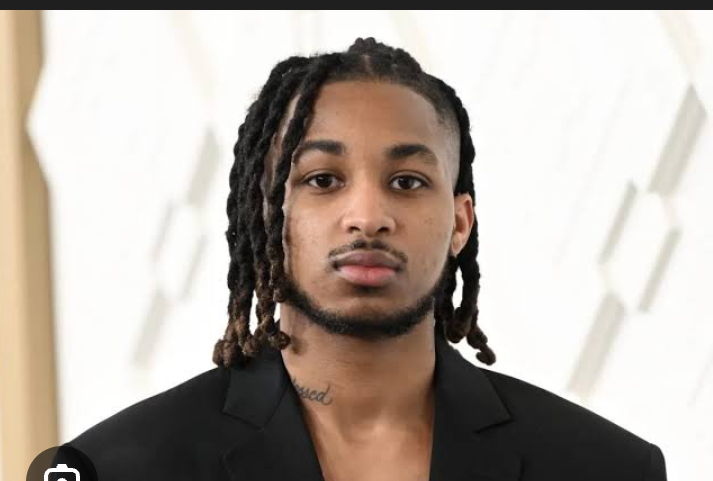
American rapper and streamer Darryl Dwayne Granberry Jr., popularly known as DDG, has ignited a wave of online debate after openly questioning long-held assumptions about safety, quality of life, and opportunity in the United States compared to Nigeria. In a recent video shared with his millions of followers, DDG bluntly declared, “America lowkey not it no more, not gonna lie,” a statement that immediately caught attention in a climate where conversations about relocation, safety, and global opportunity are becoming increasingly common among young creatives.
The rapper’s comments went beyond casual frustration. DDG spoke candidly about what he described as growing social and environmental challenges in the United States, ranging from rising crime concerns to what he sees as a general decline in peace of mind. According to him, the constant tension, fear, and unpredictability of everyday life in parts of America have made him reconsider where he wants to live and build his future. His remarks resonated with many fans who have expressed similar sentiments about burnout, anxiety, and dissatisfaction with life in the U.S.
What truly set social media alight, however, was DDG’s comparison between the United States and Nigeria, particularly Lagos. The rapper suggested that Nigeria is often unfairly labeled as extremely dangerous by Western media, arguing that the reality on the ground is far different from the image frequently projected abroad. He maintained that daily life in Nigeria is not nearly as risky as many Americans are led to believe, describing the narrative surrounding the country as exaggerated and misleading.
DDG hinted strongly at the possibility of relocating to Lagos, saying he is tired of living in America and wants to explore better opportunities elsewhere. For him, Nigeria represents not just a physical change of environment but a chance to experience a vibrant culture, strong community life, and a different pace of living. He emphasized that despite the challenges Nigeria faces, the country offers a richness in lifestyle, creativity, and human connection that he feels is increasingly absent in the U.S.
His comments arrive at a time when Lagos is gaining attention as a global cultural hub, particularly in music, fashion, film, and digital entrepreneurship. Afrobeats has become a dominant force worldwide, and Nigeria’s creative economy continues to attract international artists, investors, and influencers. DDG’s openness to relocating there reflects a broader trend of African cities being reimagined not as places to escape from, but as destinations to build, collaborate, and thrive.
Reactions from fans and commentators were swift and deeply divided. Supporters praised DDG for challenging stereotypes and speaking honestly about the gap between perception and reality. Many Nigerians online welcomed his comments, seeing them as validation of what locals have long argued: that the country’s portrayal in international media often focuses disproportionately on its problems while ignoring its everyday normalcy, resilience, and warmth. Several users pointed out that millions of people live, work, raise families, and pursue dreams in Nigeria daily without the constant fear often implied by foreign narratives.
Others, however, urged caution, noting that both countries have their unique challenges and that safety can vary widely depending on location, socioeconomic status, and personal circumstances. Some critics argued that DDG’s celebrity status and wealth might shield him from realities faced by average citizens in any country, whether in America or Nigeria. Still, even among skeptics, there was acknowledgment that his comments had opened an important conversation about how nations are judged and compared.
In the United States, DDG’s remarks tapped into a growing sense of disillusionment among young people who feel that the promise of the “American Dream” no longer matches their lived experiences. Rising living costs, mental health struggles, social division, and fears around public safety have led many to question whether staying in the U.S. truly guarantees a better life. For some, the idea that an American celebrity would consider moving to Nigeria felt shocking; for others, it felt inevitable.
The rapper’s statement also highlighted the power of personal experience over secondhand narratives. DDG suggested that much of what Americans believe about Nigeria comes from media portrayals that emphasize crisis and chaos, rarely showing everyday life, joy, or progress. By expressing interest in experiencing the country firsthand, he positioned himself as someone willing to look beyond headlines and stereotypes.
Cultural analysts note that such statements from influential figures can significantly shape global perception. When celebrities speak positively about places often misunderstood, they can help rebalance conversations and encourage more nuanced views. DDG’s comments, whether or not he ultimately relocates, have already prompted thousands to reassess what they think they know about Nigeria and the United States.
As the discussion continues, one thing is clear: DDG has struck a nerve. His declaration that “America lowkey not it” and his assertion that Nigeria is not as dangerous as portrayed have forced a comparison many rarely make openly. In doing so, he has added his voice to a global dialogue about where people feel safest, happiest, and most fulfilled in an increasingly interconnected world.
Whether DDG eventually calls Lagos home or not, his remarks underscore a shifting mindset among a new generation that is less bound by borders and more willing to question dominant narratives. In a world where perception often outweighs reality, his comments serve as a reminder that sometimes, the truth can only be found by looking beyond what we’ve been told and daring to see for ourselves.
Popular Posts
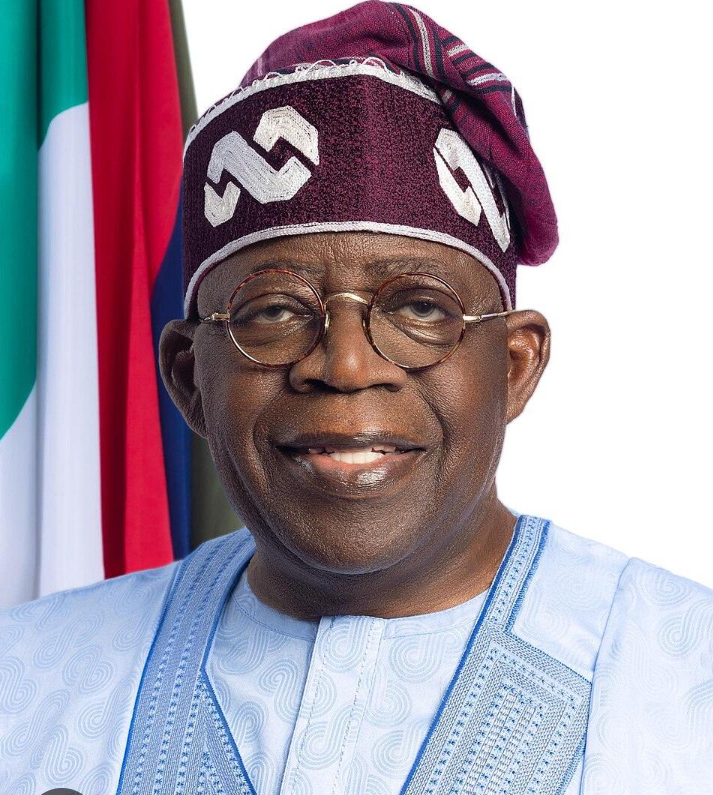
Tinubu Vows Stronger Economic Dawn in 2026 as Reforms Begin to Pay Off
01 Jan, 2026
“America Lowkey Not It”: DDG’s Nigeria Safety Claim Sparks Global Debate on Perception, Reality, and the Search for a Better Life
01 Jan, 2026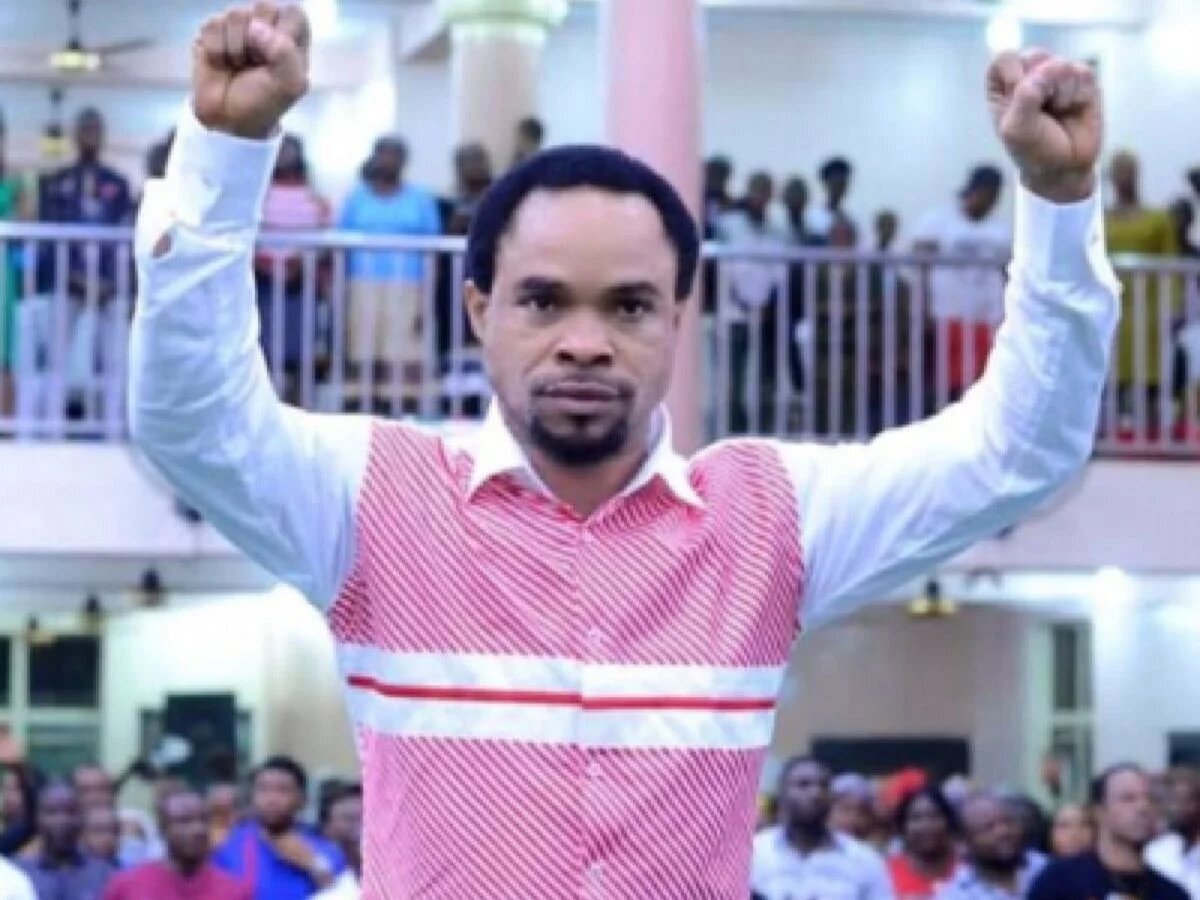
“Year of Dabush Kabash” — Pastor Odumeje Declares 2026 in Viral Prophecy That Sets Social Media Ablaze
01 Jan, 2026Scroll to Top