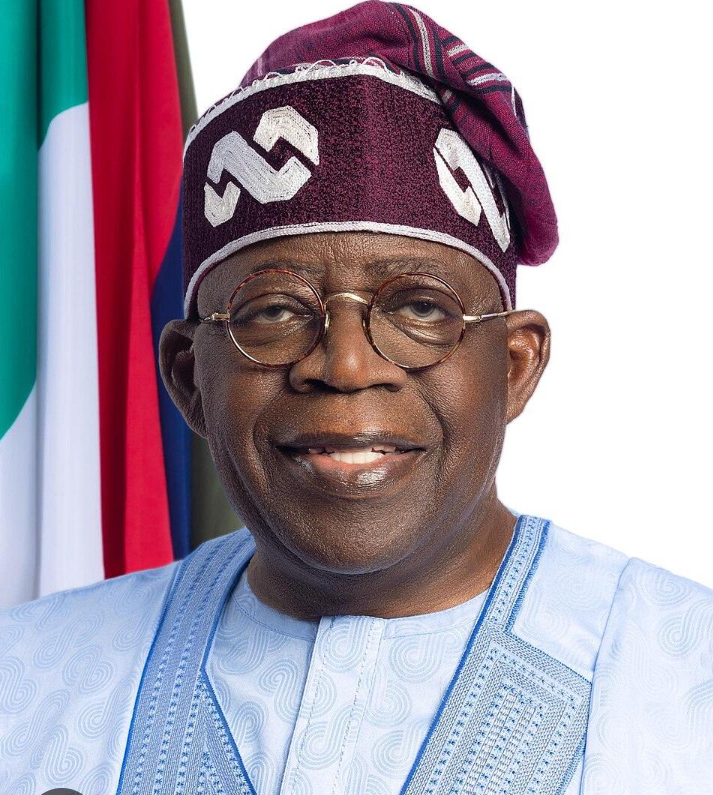
President Bola Ahmed Tinubu has assured Nigerians that 2026 will usher in a stronger and more inclusive phase of economic growth, promising that the gains from his administration’s far-reaching reforms will increasingly be felt in households across the country. In his New Year goodwill message to the nation, the president struck an optimistic tone, reflecting on what he described as a challenging but transformative year for Africa’s largest economy and projecting renewed momentum in the months ahead.
According to Tinubu, Nigeria closed 2025 with measurable economic achievements despite a turbulent global environment marked by geopolitical tensions, high interest rates in advanced economies, and lingering supply chain disruptions. He acknowledged that the reforms implemented by his government over the past year demanded sacrifice from citizens, but insisted they were “difficult but necessary” steps required to stabilise the economy and lay a solid foundation for sustained prosperity.
The president highlighted steady gross domestic product growth across all four quarters of 2025, noting that annualised growth is projected to exceed four percent. This performance, he said, signals a gradual but firm recovery driven by policy consistency, improved investor confidence, and renewed activity in key sectors of the economy. Tinubu described the growth trajectory as evidence that Nigeria is beginning to turn the corner after years of structural weaknesses and economic volatility.
He also pointed to improvements in Nigeria’s trade balance as a key indicator of progress. According to the president, increased non-oil exports, better management of imports, and renewed emphasis on local production have helped strengthen the country’s external position. These developments, he said, are critical to reducing Nigeria’s vulnerability to external shocks and ensuring more sustainable growth over the long term.
On the exchange rate, Tinubu noted that the naira showed increasing signs of stability toward the end of 2025, following a period of sharp volatility earlier in the reform cycle. He attributed this to a more transparent foreign exchange regime, improved dollar liquidity, and efforts to restore confidence in monetary policy. While acknowledging that challenges remain, the president said the direction of change has been positive and reassuring for businesses, investors, and ordinary Nigerians alike.
Inflation, one of the most pressing concerns for households, was another area where Tinubu claimed progress. He said inflation had recorded a consistent decline in recent months, reflecting the cumulative impact of tighter fiscal discipline, improved food supply chains, and targeted interventions to ease cost pressures. Although prices remain high for many essential goods, the president expressed confidence that inflation will continue to moderate as reforms deepen and production expands.
Tinubu used the address to reiterate his administration’s commitment to ensuring that macroeconomic improvements translate into tangible benefits for citizens. He stressed that growth figures and economic indicators must ultimately reflect better living conditions, more job opportunities, and stronger social protection for vulnerable Nigerians. To this end, he said the government will intensify efforts in 2026 to boost job creation, particularly for young people, while expanding support for small and medium-sized enterprises that form the backbone of the economy.
Small businesses, Tinubu said, will remain a central focus of government policy, given their role in employment generation and local innovation. He pledged continued access to credit, simplified regulatory processes, and targeted incentives to help entrepreneurs scale their operations. By strengthening this sector, the president argued, Nigeria can build a more resilient economy that spreads opportunity beyond major cities and into communities across the country.
The president also emphasized the importance of social welfare and human capital development as part of the broader reform agenda. He said his administration would expand social safety nets, invest more in healthcare and education, and ensure that economic reforms do not leave the most vulnerable behind. According to Tinubu, inclusive growth is not optional but essential for national stability and long-term development.
In his message, the president acknowledged the patience and resilience shown by Nigerians throughout 2025, a year many experienced as economically demanding. He thanked citizens for enduring what he described as a necessary transition period and assured them that the government is listening to their concerns. Tinubu said feedback from communities, labour groups, and the private sector has helped shape policy adjustments and will continue to guide decision-making in the coming year.
Analysts note that Tinubu’s message comes at a time when public expectations are high and scrutiny of government performance remains intense. While some economists agree that key indicators have improved, many Nigerians are eager to see faster relief in their daily lives, particularly in areas such as food prices, transportation costs, and employment. The president’s pledge that 2026 will deliver more direct household benefits is therefore likely to be closely watched.
Tinubu concluded his address with a call for unity and shared responsibility, urging Nigerians to remain hopeful and engaged as the country moves into a new phase of reform-driven growth. He expressed confidence that with continued discipline, transparency, and collective effort, Nigeria can unlock its vast potential and secure a more prosperous future for all.
As the nation steps into 2026, the president’s assurances set an ambitious tone for the year ahead. Whether the promised stronger economic dawn will be felt broadly across Nigerian households will depend on how effectively reforms are implemented and how quickly growth translates into improved living standards. For now, Tinubu’s message underscores a belief within the presidency that the hardest part of the reform journey may be over, and that the rewards, though gradual, are beginning to emerge.
Popular Posts
Tinubu Vows Stronger Economic Dawn in 2026 as Reforms Begin to Pay Off
01 Jan, 2026
“America Lowkey Not It”: DDG’s Nigeria Safety Claim Sparks Global Debate on Perception, Reality, and the Search for a Better Life
01 Jan, 2026
“Year of Dabush Kabash” — Pastor Odumeje Declares 2026 in Viral Prophecy That Sets Social Media Ablaze
01 Jan, 2026Scroll to Top