sport
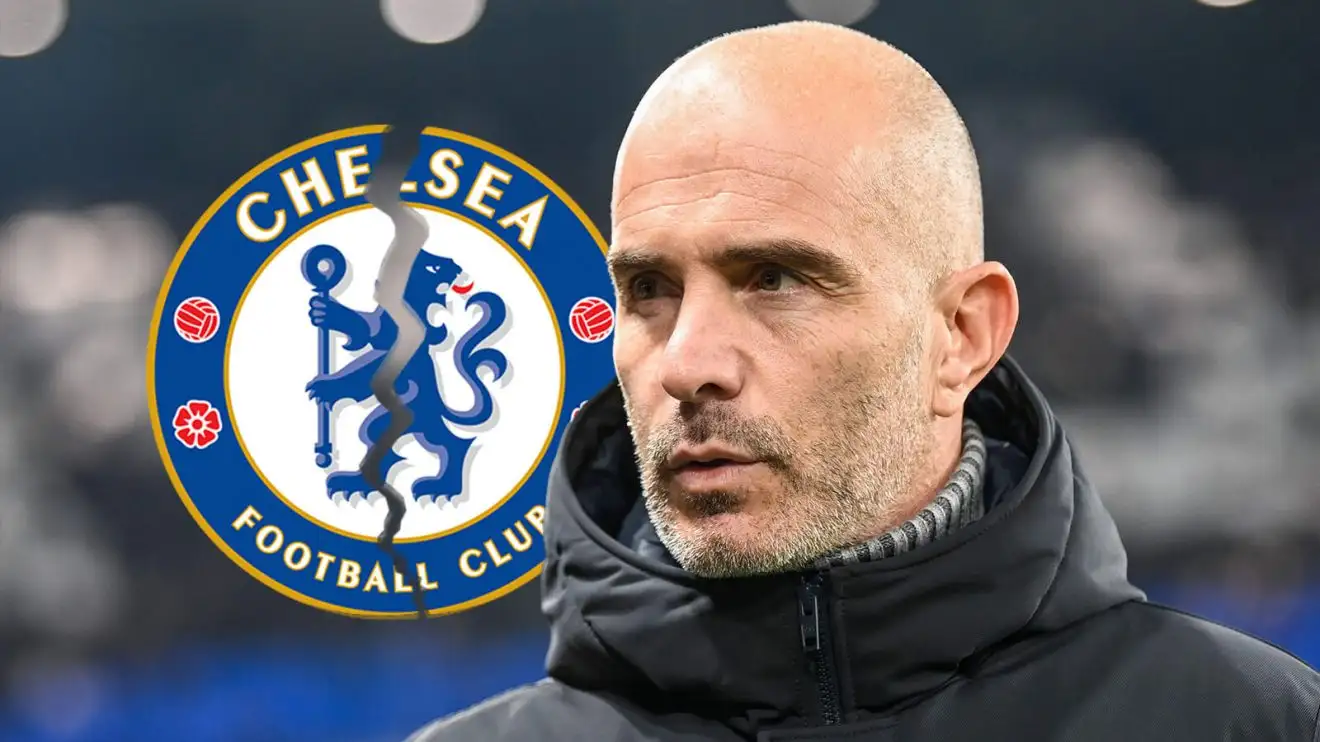
Chelsea Sack Enzo Maresca After Dressing Room Tensions and Poor Run of Form, Club Begins Emergency Managerial Search
Chelsea Football Club have officially parted ways with head coach Enzo Maresca, bringing an abrupt end to his turbulent spell at Stamford Bridge after just 18 months in charge.
The decision follows 48 hours of intense internal meetings and growing unrest within the club, triggered by a damaging run of form that saw the Blues manage only one win in their last seven Premier League matches.
The club confirmed that the separation was reached by “mutual agreement,” though sources close to the situation suggest the relationship between Maresca and key figures at Chelsea had become increasingly strained, both on and off the pitch.
What initially appeared to be patience with a long-term project quickly unraveled as performances dipped, defensive issues worsened, and dressing room confidence eroded.
Maresca, 45, was appointed in June 2024 on a five-year contract after guiding Leicester City back to the Premier League. He arrived with a clear footballing philosophy heavily influenced by Pep Guardiola, under whom he previously worked at Manchester City. Chelsea’s hierarchy viewed him as a progressive tactician capable of imposing a structured, possession-based identity on a squad bloated with young, expensive talent.
However, that vision never fully translated into consistent results.
Chelsea’s recent performances raised serious alarm bells at board level. The team looked vulnerable defensively, often exposed in transition, while their dominance in possession rarely converted into goals or control of matches. Costly errors at the back, combined with a lack of cutting edge in attack, left Chelsea drifting dangerously close to mid-table irrelevance once again.
Behind the scenes, frustration reportedly grew among senior players over tactical rigidity and unclear in-game adjustments. Several dressing room voices felt Maresca’s insistence on playing out from the back, even under heavy pressure, was costing the team points. While there was no open rebellion, confidence in the project steadily declined.
The final straw came after Chelsea’s most recent league setback, which extended their winless streak and intensified fan anger. Within hours, emergency talks were convened by the club’s ownership and sporting directors. By the end of a tense 48-hour period, it became clear that continuing with Maresca was no longer viewed as sustainable.
In a brief statement, Chelsea thanked the Italian coach for his professionalism and commitment, wishing him success in his future career. Maresca, for his part, is understood to have accepted the decision, acknowledging that circumstances at the club had become increasingly difficult.
His departure once again throws Chelsea into managerial uncertainty, a pattern that has become worryingly familiar since the club’s change of ownership. Maresca becomes the latest in a growing list of managers unable to survive the pressure cooker environment at Stamford Bridge, where expectations remain sky-high despite ongoing instability.
Attention has now turned immediately to who will take charge next, with time working against the club. Chelsea face a daunting Premier League clash against Manchester City on January 4, a fixture that could further define their season. An interim appointment is expected in the short term, while the club weighs its options for a permanent successor.
Early speculation has already begun swirling. Brentford’s Thomas Frank, Bournemouth’s Andoni Iraola, and Eintracht Frankfurt’s Oliver Glasner are among the names being mentioned by insiders, though no official approach has yet been confirmed. The club is said to be divided between appointing another progressive coach aligned with their long-term recruitment model or opting for a more pragmatic, results-driven manager to steady the ship.
Fan reaction has been mixed but intense. While some supporters expressed relief, arguing that Maresca’s football was too sterile and predictable, others voiced deep frustration at Chelsea’s inability to commit to a project long enough for it to mature. On social media, many questioned whether the problem lies less with managers and more with the club’s recruitment strategy and constant structural changes.
For Maresca, the Chelsea chapter ends as a cautionary tale. Hailed as a modern tactician with elite coaching pedigree, he struggled to balance philosophy with the brutal realities of Premier League football and the unique pressure of managing one of England’s biggest clubs. His tenure will be remembered as another experiment that promised long-term rewards but collapsed under short-term expectations.
For Chelsea, the bigger questions remain unresolved. Can stability ever return to Stamford Bridge? Will the next manager finally be given the time and authority to build something coherent? Or will the cycle of ambition, impatience, and upheaval continue?
With a crucial run of fixtures ahead and confidence fragile both on the pitch and in the stands, the club’s next decision could define not just this season, but the direction of Chelsea Football Club for years to come.
Popular Posts

Tinubu Vows Stronger Economic Dawn in 2026 as Reforms Begin to Pay Off
01 Jan, 2026
“America Lowkey Not It”: DDG’s Nigeria Safety Claim Sparks Global Debate on Perception, Reality, and the Search for a Better Life
01 Jan, 2026
“Year of Dabush Kabash” — Pastor Odumeje Declares 2026 in Viral Prophecy That Sets Social Media Ablaze
01 Jan, 2026Scroll to Top