sport
Football Silenced by Gunfire: Ecuador Mourns Mario Pineida After Shocking Killing in Guayaquil
The Ecuadorian football community has been thrown into deep mourning following the tragic death of Mario Pineida, the Barcelona Sporting Club defender who was killed in a violent attack in the port city of Guayaquil. The news, confirmed by his club on December 17, 2025, sent shockwaves across Ecuador and beyond, uniting fans, teammates, and football lovers in grief and disbelief. Pineida, a familiar figure in Ecuador’s domestic league and continental competitions, was reportedly shot during an attack in a city that has increasingly become synonymous with insecurity and organized crime.
Mario Pineida was not just another name on a team sheet. For many supporters of Barcelona SC, one of Ecuador’s most successful and widely supported clubs, he represented resilience, commitment, and the everyday struggle of a footballer who rose through hard work rather than hype. His death has reopened painful conversations about violence in Ecuador, particularly in Guayaquil, a city battling escalating crime linked to drug trafficking and gang activity. What should have been another chapter in Pineida’s football journey instead became a grim reminder of how insecurity has crept into every corner of daily life.
The club’s confirmation of his passing came with a tone of heartbreak and outrage, describing the killing as a senseless act that has robbed Ecuadorian football of one of its own. Messages of condolence flooded social media almost immediately, with fans sharing photos, match clips, and personal memories of the defender. Many expressed anger that a player who brought joy to thousands through football could meet such a violent end away from the pitch.
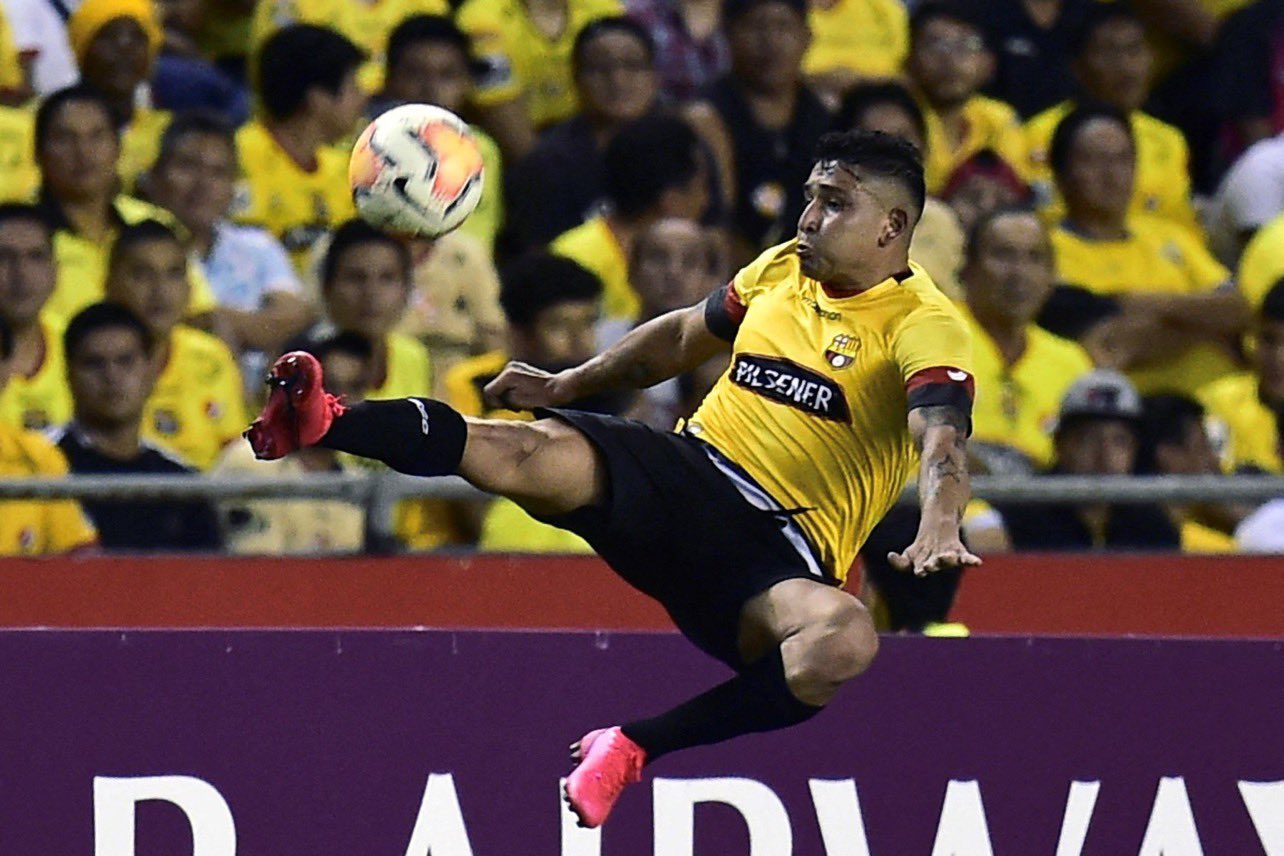
Pineida was best known for his time with Barcelona SC, where he featured prominently in domestic competitions and continental tournaments, including the Copa Libertadores. One of the most enduring images of his career remains from February 19, 2020, when he was pictured controlling the ball during a Copa Libertadores match at the Monumental Stadium in Guayaquil. That moment, frozen in time, now carries a painful weight as fans revisit it knowing the fate that would eventually befall him.
Born and raised in Ecuador, Pineida’s journey to professional football reflected the reality of many South American players who grow up in challenging environments but find purpose and escape through the game. He earned respect not only for his defensive abilities but also for his discipline and willingness to fight for every ball. Coaches often described him as dependable, while teammates spoke of his quiet leadership and humility off the field. He may not always have been in the global spotlight, but within Ecuadorian football circles, his name carried respect.
The circumstances surrounding his death remain under investigation, but authorities have confirmed that the attack occurred in Guayaquil, a city currently regarded as one of Ecuador’s most dangerous hotspots. In recent years, Guayaquil has witnessed a surge in violent crimes, many linked to drug trafficking routes and power struggles between criminal gangs. The killing of a high-profile footballer has intensified public scrutiny of the country’s security crisis and raised questions about how far-reaching the violence has become.
For many Ecuadorians, Pineida’s death feels personal. Footballers are often seen as symbols of hope, individuals who rise above hardship to represent national pride. When one of them falls victim to the same violence affecting ordinary citizens, it reinforces a troubling sense that no one is truly safe. Fans have taken to the streets and social platforms to demand justice, not only for Pineida but for the countless unnamed victims of violence whose stories rarely make headlines.
Barcelona SC players and staff were reportedly left devastated by the news, with training sessions suspended as the club entered a period of mourning. The Monumental Stadium, where Pineida once defended the club’s colors in front of roaring crowds, became a place of quiet reflection as supporters gathered to light candles and lay flowers. Chants usually reserved for matchdays were replaced with silence, tears, and prayers.
Across South America, clubs, players, and football associations issued statements honoring Pineida’s memory. Rival teams set aside competition to acknowledge the loss, underscoring how tragedy can momentarily unite a sport often defined by fierce rivalries. Messages described Pineida as a dedicated professional and offered solidarity to his family, friends, and teammates during an unimaginably painful time.
Beyond football, Pineida’s death has added urgency to national conversations about safety, governance, and the future of Ecuador’s youth. Analysts and commentators have pointed out that when athletes, entertainers, and public figures become victims of violent crime, it signals a deeper societal crisis. For young footballers dreaming of following in Pineida’s footsteps, his death is a sobering reminder that success on the pitch does not necessarily shield one from the realities off it.
As investigations continue, many are calling for swift justice and concrete action to address the insecurity plaguing Guayaquil and other parts of the country. Fans have urged authorities to ensure that Pineida’s death does not become just another statistic in a long list of violent crimes. There is a growing sense that honoring his memory must go beyond tributes and statements, extending into meaningful efforts to protect lives and restore a sense of safety.
Mario Pineida leaves behind grieving loved ones, teammates, and supporters who will forever remember him for his contributions to Ecuadorian football. His story, marked by dedication and cut short by violence, now stands as both a tragedy and a warning. In stadiums where he once chased down attackers and cleared danger, his absence will be deeply felt. Football will go on, as it always does, but for Ecuador, the loss of Mario Pineida is a wound that will take time to heal.
In the end, Pineida will be remembered not for the way he died, but for the pride he wore on the pitch and the joy he gave to fans who believed in him. Yet his death has cast a long shadow, reminding a nation that the fight against violence is far from over, and that even the brightest moments in sport can be dimmed by the harsh realities of life.
Popular Posts

“Poor Man No Get Hope”: Finance Coach GehGeh Slams Nigeria’s ‘Unfair System’ After Ralph’s Arrest Sparks Online Outrage
18 Dec, 2025
Football Silenced by Gunfire: Ecuador Mourns Mario Pineida After Shocking Killing in Guayaquil
18 Dec, 2025
“I Chose Purpose Over Perfection”: Tonto Dikeh Removes BBL After Giving Her Life to Christ
18 Dec, 2025Scroll to Top