Entertainment
“Multidimensional Poverty on Display”: N6oflife Sparks Fresh Debate After Ralph’s Arrest Over Alleged Online Harassment
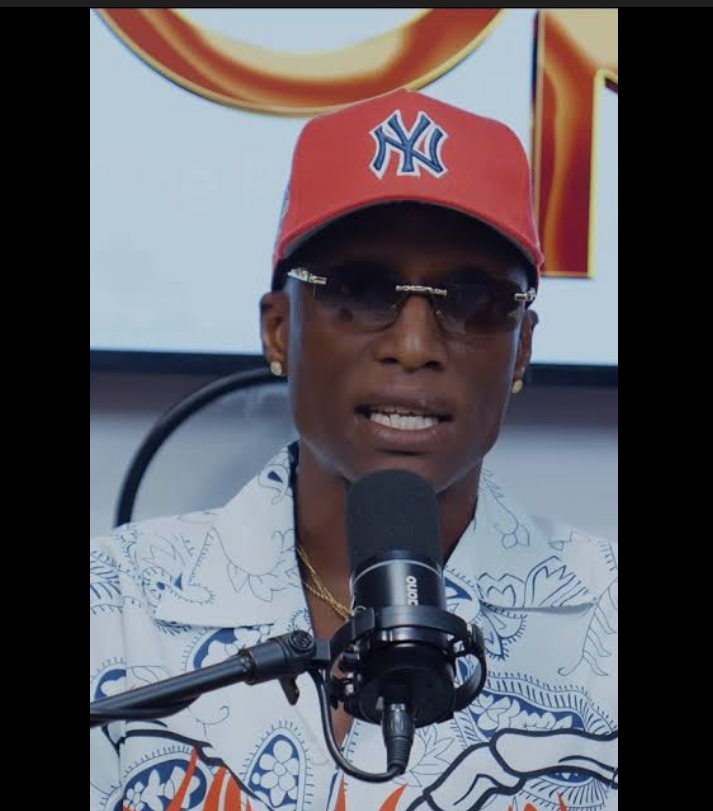
The arrest of a social media user identified as Ralph over alleged online harassment of Omotara Sizzle, the wife of popular content creator Alabi Lawrenz, has continued to ripple across Nigeria’s digital space, drawing reactions from influencers, media personalities, and everyday users who see the incident as yet another mirror reflecting the country’s tense relationship with power, class, and online speech. Adding his voice to the growing debate, media personality and commentator N6oflife took to X to share a blunt, controversial take that has since ignited even more conversations.
In a post that quickly gained traction, N6oflife reacted not just to the arrest itself but to the environment and social conditions surrounding the accused. He referenced the location where Ralph allegedly resides, describing it in stark terms and suggesting that many of the harsh, reckless, and offensive comments Nigerians encounter daily on social media often come from people trapped in what he described as “multidimensional poverty.” According to him, some tweets are so raw, aggressive, and detached from empathy that once you read them, you can almost picture the hardship, frustration, and lack of opportunity shaping the mindset behind the screen.
His choice of words was unapologetic and vivid, instantly dividing public opinion. Supporters argued that N6oflife was simply telling an uncomfortable truth, one many prefer to ignore. They believe Nigeria’s online toxicity cannot be separated from the harsh realities on the ground, where unemployment, poor education, insecurity, and social inequality push people into anger and bitterness that eventually spills onto social media. In this view, online harassment is not always just about malice but often a symptom of deeper societal failure.
Critics, however, accused N6oflife of class shaming and deflection. To them, poverty should never be used to explain or excuse harmful behavior, and linking offensive online conduct solely to economic status is both unfair and dangerous. They argue that harassment cuts across all classes, pointing out that some of the most damaging online attacks in Nigeria have come from educated, wealthy, and well-connected individuals who simply hide behind influence and privilege. For these critics, the focus should remain firmly on accountability, not background.
At the center of the storm is the arrest of Ralph, which itself has reopened an old wound in Nigeria’s digital community: the fear of selective justice. While details surrounding the alleged harassment of Omotara Sizzle are still being debated online, many Nigerians are less focused on the specifics of the case and more concerned about the pattern it appears to fit into. Time and again, critics say, arrests over online speech seem swift and decisive when the complainant is connected to influence or visibility, while countless victims of cyberbullying without connections are left to fend for themselves.
This perception has fueled a familiar narrative: that Nigeria operates a justice system where power talks louder than principle. Some users argue that if the alleged offender had targeted a private individual with no public profile, the outcome would likely have been different. Others counter that harassment is harassment regardless of who the victim is, and that any arrest that helps deter online abuse should be welcomed, even if the system remains imperfect.
N6oflife’s comments landed squarely in the middle of this emotional tug-of-war. By shifting attention to the social conditions of commenters and alleged offenders, he reframed the discussion from one solely about law enforcement to one about national failure. In his framing, the internet becomes a dumping ground for years of neglect, where people battling daily survival vent their rage in the only space where they feel seen and heard. It is a perspective that resonates with those who see Nigeria’s online chaos as a direct extension of offline suffering.
Still, many found the tone troubling. Some felt that describing people as living in “ghetto” conditions or “multidimensional poverty” risks dehumanizing them, turning real hardship into a punchline or moral judgment. They argue that empathy should not come with ridicule, and that understanding root causes should never sound like mockery. For them, the conversation should be about building digital responsibility alongside social reform, not ranking human worth by postcode or income.
Meanwhile, supporters of Omotara Sizzle and Alabi Lawrenz insist the focus should remain on protecting individuals from harassment, especially women who often face disproportionate abuse online. They argue that the internet has become dangerously normalized as a space where insults, threats, and defamatory comments are treated as entertainment. From this angle, Ralph’s arrest, regardless of public discomfort, sends a message that online actions can have real-world consequences.
As the debate rages, what stands out is how one arrest has exposed multiple fault lines in Nigerian society. There is the question of free speech versus accountability, the suspicion of selective justice, the role of poverty and frustration in shaping online behavior, and the growing influence of celebrities and influencers in determining which cases gain attention. N6oflife’s reaction did not resolve these tensions, but it amplified them, forcing Nigerians to confront uncomfortable questions about who gets punished, who gets protected, and why.
Social media, once hailed as a great equalizer, increasingly feels like a battleground where inequality plays out in real time. A single tweet can trigger an arrest, a backlash, or a national debate, depending on who is involved. In that sense, the Ralph case is no longer just about alleged harassment; it has become a symbol of a country struggling to balance justice, empathy, and freedom in a digital age.
Whether one agrees with N6oflife or not, his comments underscore a growing realization: Nigeria’s online problems cannot be fixed by arrests alone. Without addressing the economic despair, educational gaps, and social alienation that fuel anger and recklessness, the cycle will likely continue. At the same time, excusing harmful behavior under the banner of hardship risks normalizing abuse and silencing victims.

As conversations continue to unfold on X and beyond, the arrest of Ralph and the reactions it has sparked may eventually fade from trending lists. But the questions raised will linger, challenging Nigerians to decide what kind of online culture they want and what kind of society they are willing to build to support it.
Popular Posts
“Poor Man No Get Hope”: Finance Coach GehGeh Slams Nigeria’s ‘Unfair System’ After Ralph’s Arrest Sparks Online Outrage
18 Dec, 2025
Football Silenced by Gunfire: Ecuador Mourns Mario Pineida After Shocking Killing in Guayaquil
18 Dec, 2025
“I Chose Purpose Over Perfection”: Tonto Dikeh Removes BBL After Giving Her Life to Christ
18 Dec, 2025Scroll to Top