Entertainment
“This Is Where I Draw the Line”: Alabi Lawrenz Breaks Silence After X User Ralph’s Arrest Over Alleged Online Attacks on His Wife
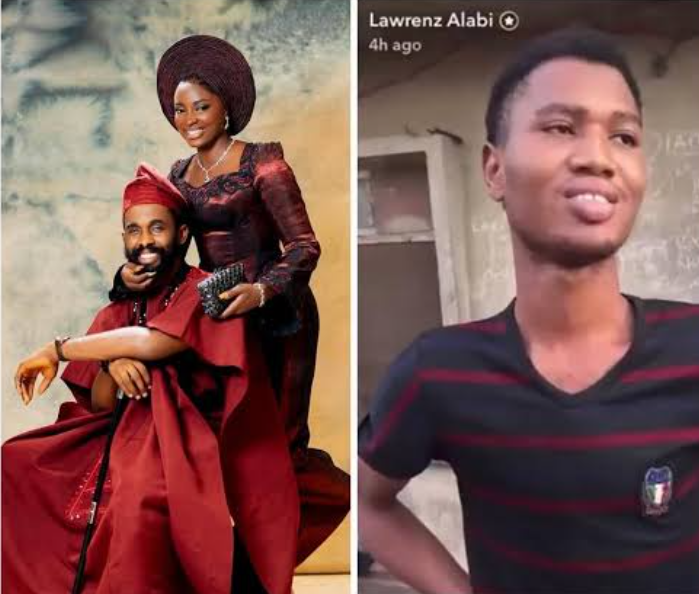
Media personality and filmmaker Alabi Lawrenz has spoken out publicly after the arrest of an X (formerly Twitter) user identified as Ralph, following allegations of defamation and sustained online bullying directed at Lawrenz’s wife, Omotara. The development, which has since sparked intense debate across social media, came after Lawrenz shared a video addressing the incident and explaining why he decided to take legal action rather than remain silent.
According to Lawrenz, the situation began as what many public figures are already accustomed to: criticism and commentary on social media. However, he alleged that Ralph’s posts crossed the line from opinion into malicious falsehoods and targeted harassment, specifically aimed at Omotara, who he described as a private individual undeserving of online abuse. In the video shared on his social platforms, Lawrenz appeared calm but firm, stating that while he has learned to tolerate attacks on his own personality as a public figure, he would not accept what he described as repeated attempts to damage his wife’s reputation.
The arrest of Ralph has ignited mixed reactions online, with some users applauding Lawrenz for standing up against cyberbullying, while others raised concerns about free speech and the growing trend of arrests linked to social media activity. Screenshots of the alleged posts began circulating shortly after the news broke, with supporters of Lawrenz arguing that the language used went beyond criticism and veered into defamatory territory. Others, however, questioned whether arrest was a proportionate response, suggesting civil litigation as an alternative.
In his video, Lawrenz addressed these concerns head-on, stressing that the decision to involve law enforcement was not impulsive. He claimed that attempts were made to resolve the issue quietly, including warnings and requests for the posts to be taken down. According to him, those efforts were ignored, and the content allegedly escalated in tone and frequency. “This is not about clout or silencing anyone,” Lawrenz said in the video. “This is about protecting my family and drawing a clear boundary.”
The case has once again highlighted the fragile line between online commentary and cyberbullying, especially in Nigeria’s increasingly regulated digital space. In recent years, several high-profile arrests linked to social media posts have fueled public discourse about the Cybercrimes Act and its application. Legal experts have often noted that while the law is intended to curb harassment, fraud, and defamation online, its enforcement sometimes raises questions about selective justice and misuse.
For many observers, the involvement of Lawrenz’s wife in the controversy has added a sensitive dimension to the story. Omotara, who largely keeps a low profile, became a trending topic overnight as social media users dissected the allegations, defended her, or used the opportunity to debate celebrity privilege. Supporters argue that her privacy was violated and that the arrest sends a strong message that spouses and family members of public figures should not become collateral damage in online feuds.
Critics, on the other hand, fear a chilling effect on online expression. Some X users argued that the power imbalance between a media personality and an anonymous or less influential user makes such cases uncomfortable, especially in a country where trust in law enforcement and the justice system remains fragile. “If this were an average person, would there have been an arrest?” one user asked, echoing a sentiment that trended briefly as the story unfolded.
Despite the backlash, Lawrenz maintained his stance, reiterating that the issue was never about status. In his words, “Anyone who feels emboldened to lie and bully because they’re hiding behind a screen should understand that actions have consequences.” He also urged social media users to engage responsibly, reminding them that digital footprints are permanent and that words online can cause real-world harm.
As of the time of reporting, official details surrounding Ralph’s arrest remain limited, with authorities yet to release a comprehensive statement outlining the specific charges. This lack of clarity has only fueled speculation and misinformation, prompting calls for transparency from both law enforcement and the parties involved. Legal practitioners following the case have advised the public to avoid jumping to conclusions, noting that an arrest does not automatically equate to guilt and that due process must be allowed to run its course.
The incident has also reignited conversations around mental health and the toll of online harassment. Several public figures have come forward to share their own experiences with cyberbullying, describing how relentless online attacks have affected their families. In this context, some see Lawrenz’s action as part of a broader pushback against what they describe as a culture of cruelty normalized by social media algorithms and anonymity.
Meanwhile, supporters of Ralph have called for restraint, urging that the matter be resolved legally without further online trial by public opinion. They argue that the viral nature of such cases often prejudices outcomes before facts are fully established. Hashtags calling for fairness and due process trended briefly, reflecting the polarized nature of the discourse.
As the story continues to develop, it remains a powerful reminder of the evolving relationship between social media, celebrity, and the law in Nigeria. What began as a series of posts on X has now become a national conversation about accountability, power, and the responsibilities that come with a digital voice. Whether the case ultimately results in prosecution, settlement, or dismissal, its impact is already evident in the way Nigerians are reexamining how far online speech can go before it attracts legal consequences.
For Alabi Lawrenz, the message appears clear: fame does not mean forfeiting the right to protect one’s family. For the wider public, the case poses an uncomfortable but necessary question—how do we balance freedom of expression with the need to safeguard individuals from harmful, and potentially defamatory, online behavior? The answer, as this unfolding story suggests, may shape the future of online engagement in the country.
Media Personality Alabi Lawrenz shares video after arresting X user Ralph over alleged defamation and online b¥llying of his wife, Omotara
— Instablog9ja (@instablog9ja) December 18, 2025
pic.twitter.com/7mhMNkBiHX
Twitter Post
Visit websitePopular Posts

“Poor Man No Get Hope”: Finance Coach GehGeh Slams Nigeria’s ‘Unfair System’ After Ralph’s Arrest Sparks Online Outrage
18 Dec, 2025
Football Silenced by Gunfire: Ecuador Mourns Mario Pineida After Shocking Killing in Guayaquil
18 Dec, 2025
“I Chose Purpose Over Perfection”: Tonto Dikeh Removes BBL After Giving Her Life to Christ
18 Dec, 2025Scroll to Top